



Troubleshooting Furnace Heating Issues: Practical, Expert Fixes for Common Problems
A furnace that fails to deliver steady, warm air can disrupt daily comfort, increase energy bills, and point to safety issues that deserve prompt attention. In this guide we’ll define common furnace heating problems, show how the main components work together, and walk you through safe, practical troubleshooting you can do at home. You’ll learn how to check controls like the thermostat and circuit breakers, inspect airflow parts such as filters and blowers, and recognize ignition or combustion faults that need a professional. We’ll also map noises and short‑cycling behavior to likely causes so you can prioritize fixes that restore efficiency and prevent long‑term damage. If you prefer immediate professional help instead of DIY, use our dedicated heating repair page to schedule a certified technician to your San Antonio home quickly.
Why Is My Furnace Blowing Cold Air? Causes and Quick Fixes
When a furnace blows cold air, either heat isn’t being produced or it isn’t being delivered to your home. Common causes include restricted airflow, thermostat miscommunication, or ignition failures. Restricted airflow prevents warm air from moving across the heat exchanger, while ignition or flame sensor problems stop burners from producing heat even though the blower runs. Knowing which subsystem is at fault helps you pick the safest next step and avoid unnecessary parts replacement. Below we summarize top causes and give quick, safe checks to narrow the issue to airflow, controls, or combustion — and explain when to stop DIY and call a pro.
What Common Issues Cause Cold Air from Your Furnace?
Dirty air filters, blocked return vents, or collapsed duct sections reduce airflow and lower heat transfer, producing cool air despite the blower running. Thermostat problems — wrong mode, dead batteries, or misconfigured smart settings — can prevent the furnace from entering heat cycles or sending a proper call for heat. Ignition system failures, whether a weak pilot, a failed electronic ignitor, or a fouled flame sensor, will stop burners from lighting and result in cold output. These causes match observable symptoms: reduced airflow equals weak output, thermostat errors equal no call for heat, and ignition faults equal clicking or silent attempts without a sustained flame. Next, we cover safe checks you can perform at home.
How Can You Safely Check and Fix Furnace Cold Air Problems?
Start with low‑risk, verifiable steps to determine whether the issue is simple or needs a technician. Check the thermostat mode and setpoint, replace thermostat batteries if present, and confirm the display shows a call for heat when you raise the setpoint. Inspect and replace the furnace air filter if it’s dirty — turn off power, slide the filter out, and install the correct size. Finally, observe whether the burner ignites during a cycle; if you smell gas, see yellow flames, or the pilot won’t light, leave the area and get professional help immediately. These steps separate control and airflow problems from combustion issues that should be handled by an expert.
Different components produce specific symptoms; the table below helps you compare likely causes and next steps.
| Component | Likely Fault | Symptom / Next Step |
|---|---|---|
| Air filter | Clogged or overdue replacement | Weak airflow — replace filter and retest |
| Thermostat | Wrong mode or no signal | No heat calls — check settings and batteries |
| Flame sensor / ignitor | Fouled sensor or failed ignitor | Burner lights then shuts off — call tech for cleaning or replacement |
| Gas valve | Restricted or closed | No ignition despite call for heat — do not DIY; evacuate if you smell gas |
Use this table to guide your inspection and escalate safely; the next sections detail noise and cycling diagnostics you may encounter after airflow checks.
If your furnace still blows cold air after confirming thermostat settings and a clean filter, schedule a professional diagnostic through our heating repair page. Our certified technicians in San Antonio can perform combustion testing and component‑level diagnostics, explain findings, and offer clear repair or replacement options. Online scheduling is available for convenient appointments.
What Are the Most Common Furnace Noises and What Do They Mean?
Furnace noises are fast diagnostic clues: each sound often points to a particular mechanical or combustion issue. Banging, rattling, screeching, and repeated clicks usually come from delayed ignition, loose panels or debris, worn blower bearings or belts, and faulty relays respectively. Listening during startup versus steady operation helps pinpoint whether the problem happens when burners ignite, when the blower spins up, or continuously. Below we list typical noises, likely components, and the urgency so you can decide whether a simple tighten will do or if you should power down and call a technician.
Which Furnace Noises Indicate Mechanical or Safety Issues?
A loud bang at startup often signals delayed ignition where gas briefly accumulates before lighting — this can stress the heat exchanger and needs prompt inspection. High‑pitched screeching usually comes from failing blower bearings or a worn belt; left unchecked this can cause motor failure and loss of airflow. Rattling or clanking often turns out to be loose panels, mounting hardware, or debris in the blower assembly; it’s less urgent but worth fixing to prevent wear. These urgency levels help you decide next steps: monitor harmless rattles, schedule service for screeching, and treat banging as immediate attention.
How Can You Identify and Address Furnace Noise Problems?
With power off, perform a safe visual inspection: tighten loose access panels, remove visible debris near the cabinet, and look for belt wear on belt‑driven models. When the furnace runs, note whether the noise happens only at startup, during burner operation, or continuously; document timing and, if possible, record a short audio clip to share with a technician for faster diagnosis. If you detect burning smells, oil leaks, or the noise coincides with loss of heat, power down the unit and schedule professional service. Good documentation of sound patterns speeds accurate diagnosis and reduces unnecessary parts replacement.
Use the table below to match noises to likely causes and immediate actions.
This table makes it easier to tell which sound points to which component so you can act safely and give precise information to a tech.
| Noise Type | Likely Component | Action & Safety Implication |
|---|---|---|
| Banging | Delayed ignition / heat exchanger stress | Power down and schedule immediate service |
| Screeching | Blower motor bearings / belt | Schedule service to prevent motor failure |
| Rattling | Loose panels / debris | Tighten panels, remove debris, monitor |
| Repeated clicking | Ignition relay or control board | Note error codes; call pro if persistent |
Understanding these mappings prepares you for the short‑cycling and ignition checks that follow.
Why Does My Furnace Keep Turning On and Off? Understanding Short Cycling
Short cycling happens when a furnace starts, runs only briefly, then shuts off before completing a normal heat cycle. This reduces efficiency, accelerates wear, and raises energy costs. Short cycling can be caused by safety limits tripping from overheating (often due to restricted airflow), thermostat miscommunication, or an oversized unit that reaches setpoint too quickly. Diagnosing it means confirming airflow, checking thermostat placement and settings, and inspecting limit switches and control boards. Fixing short cycling protects the heat exchanger and extends equipment life. Below you’ll find causes, practical checks, and remedies presented in a problem → solution → escalation order.
What Causes Furnace Short Cycling and How Does It Affect Efficiency?
Restricted airflow — from clogged filters, blocked vents, or failing blowers — raises internal temperature and trips high‑limit cutoffs that stop burners; when airflow returns the system restarts and repeats the cycle. Oversized furnaces heat the space too quickly and cycle off repeatedly, wasting fuel and stressing components. Faulty thermostats or control sensors can send false signals that cause frequent starts and stops. Short cycling lowers AFUE, increases start‑stop wear on the inducer and burners, and raises the chance of premature failures.
What Are the Best Solutions to Stop Furnace Short Cycling?
Start with airflow fixes: replace the air filter, make sure return vents are open, and verify the blower runs smoothly — these steps often resolve overheating‑induced cycles. If airflow is adequate, check thermostat placement — avoid locations near drafts, direct sunlight, or vents — and consider a properly configured smart thermostat if misreads persist. For suspected oversizing or repeated limit trips, schedule a professional performance and sizing assessment; a certified technician can run combustion analysis, inspect limit switches, and recommend tuning or replacement when needed. These steps move from homeowner fixes to technician diagnostics based on severity and persistence.
To help you prioritize, here’s a short checklist of checks and when to call for professional diagnostics:
- Replace or clean the air filter and retest.
- Ensure all return vents are open and unobstructed.
- Move the thermostat away from heat sources or drafty areas.
- Schedule a professional airflow and combustion analysis if cycling continues.
These actions reduce immediate risk and guide whether a professional visit is warranted; we explain ignition and power checks next.
| Fault Source | Typical Symptom | Effect on System |
|---|---|---|
| Clogged filter / blocked vents | Frequent limit trips | Overheating and repeated shutdowns |
| Improper thermostat placement | Rapid on/off cycles | Short cycles and comfort swings |
| Oversized unit | Quick heat then off | Low run time, high wear |
| Faulty limit switch | Premature shutdowns | Safety‑triggered cycling |
This table shows how common faults shorten equipment life and increase costs if not corrected promptly.
How Do I Troubleshoot Furnace Pilot Light and Ignition Problems?
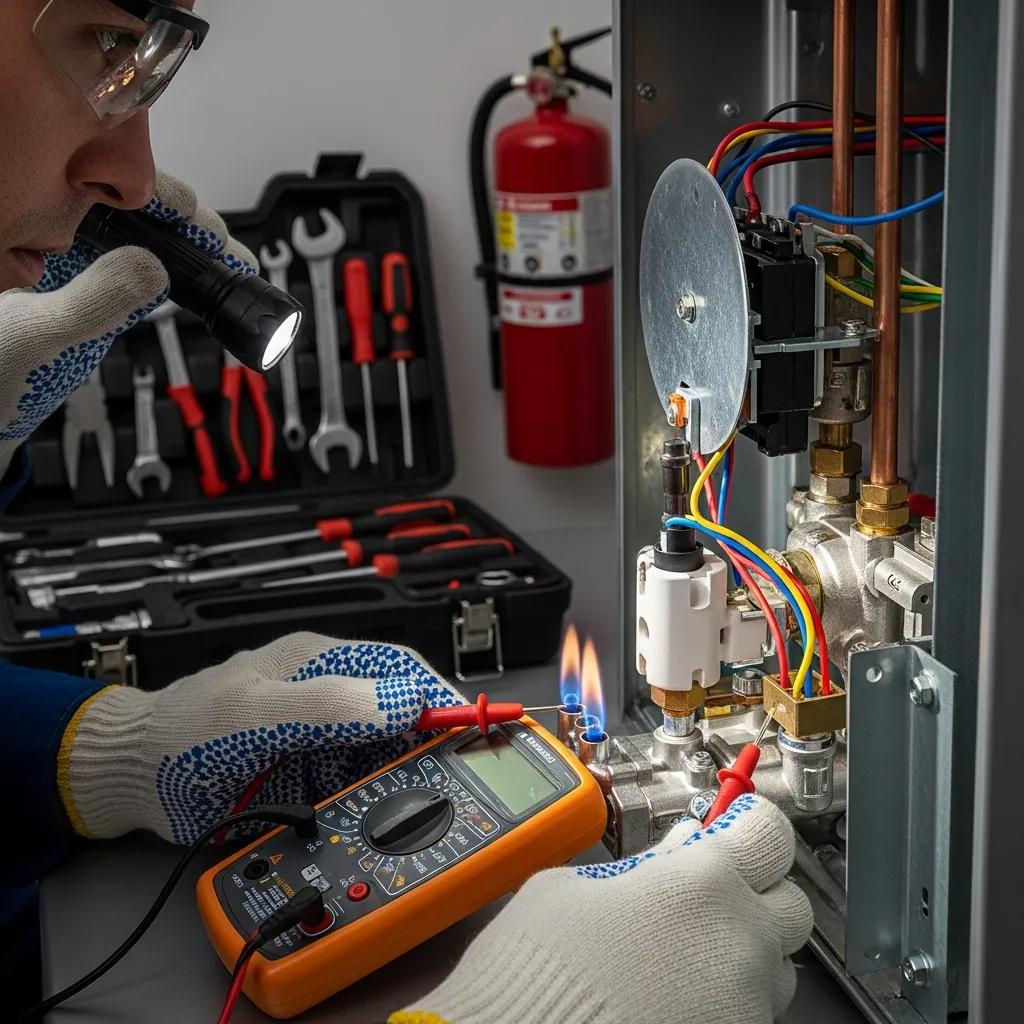
Ignition systems range from standing pilot lights to modern electronic ignitors; failures here prevent burners from lighting and stop heat production. Common issues include fouled flame sensors that fail to detect a flame, weak pilots, or failed hot surface ignitors that no longer reach operating temperature. Safety is paramount with gas systems — if you smell gas or see yellow flames, evacuate and call emergency services. Below we outline signs of ignition failure and limited, safe relighting steps when appropriate, then explain when a certified technician should take over.
What Are the Signs of Pilot Light or Ignition Failure?
Clicking without a flame, or burners that ignite briefly then shut off, point to ignition or flame‑sensing faults. A weak or yellow pilot flame indicates incomplete combustion and may mean a dirty pilot or improper gas pressure — a safety concern. Frequent outages after a few seconds commonly mean a fouled flame sensor that needs cleaning or replacement. Any gas odor, persistent yellow flames, or visible corrosion requires immediate evacuation and professional attention rather than further homeowner troubleshooting.
How Can You Safely Relight a Pilot Light and Check Ignition Systems?
Only attempt relighting when the manufacturer’s instructions allow and you do not smell gas. Follow the unit’s manual sequence — typically power off, wait for gas to clear, then set controls to “pilot” and follow the relight steps while holding the reset as instructed. Wear safety glasses, keep the area ventilated, and stop immediately if you smell gas or the pilot won’t stay lit. For electronic ignitors, avoid electrical repairs; try a power cycle to clear error codes, and schedule service if the ignitor won’t fire. If a pilot won’t remain lit after one safe relight, do not continue DIY — call a certified technician for gas system diagnostics.
For safety‑critical ignition issues, schedule professional service through our online scheduler or contact us for priority inspection; combustion systems require certified testing and calibration.
While this guide focuses on furnace issues, many homes also use heat pumps for efficient heating and cooling. If you’re considering alternatives or need service for other systems, our team also provides comprehensive heat pump services in San Antonio.
What Should I Do When My Furnace Won’t Turn On? Step-by-Step Troubleshooting
A furnace that won’t power up can stem from electrical problems, control failures, or power interruptions. A safety‑first checklist rules out easy causes before escalating. Start with basic power checks at the furnace and at your breaker panel, confirm the furnace switch is on, and look for power indicator lights or error displays. Then verify thermostat settings and batteries and inspect the furnace filter and vents so the unit is ready to run. If these steps don’t restore operation, control board faults or transformer failures may be involved and require professional evaluation.
How to Check Power Supply, Circuit Breakers, and Thermostat Settings?
Begin at the breaker panel: locate the furnace or HVAC breaker and confirm it hasn’t tripped; reset it only once and watch for repeated trips, which indicate an electrical fault. Check the furnace’s power switch — often on or near the cabinet — and note any status LEDs on the control board; document blinking patterns for the technician. Replace thermostat batteries and set the mode to heat with a setpoint above room temperature; if a hardwired thermostat is unresponsive, power issues are likely. These checks help distinguish a simple power interruption from a deeper electrical or control problem that needs service.
- Inspect the breaker panel and reset if tripped; monitor for immediate re‑tripping.
- Confirm the furnace cabinet power switch is ON and check control board LEDs.
- Replace thermostat batteries and verify the thermostat is calling for heat.
If the furnace remains unpowered after these checks, the issue may involve the control board, transformer, or internal wiring; contact a certified technician for safe electrical diagnosis.
When Is It Time to Call a Professional for Furnace Power Issues?
Call a professional if breakers trip repeatedly after reset, if you detect burning smells or scorch marks near electrical components, or if the furnace shows no power despite correct breaker and switch positions. Electrical faults can be intermittent and may stem from control board failures or transformer issues that need specialized diagnostic tools and replacement parts. To protect safety and warranties, schedule professional service when troubleshooting moves into internal electrical repair or when unexplained, persistent faults appear. Document error light patterns and the steps you took — that information speeds diagnosis and reduces onsite time.
When Should You Call San Antonio Furnace Repair Experts? Safety and Professional Help
Certain furnace problems are emergencies or require certified inspection to protect your home and household. Gas odors, carbon monoxide alarms, loud bangs, or suspected heat exchanger cracks demand immediate evacuation and professional response. For persistent no‑heat after safe homeowner checks, repeated short cycling, or electrical faults with tripping breakers and burning odors, prompt technician intervention prevents unsafe operation and further equipment damage. Below we outline emergency indicators and summarize how we deliver safe, reliable repairs for San Antonio homeowners.
What Furnace Problems Require Immediate Professional Attention?
If you smell gas or suspect a leak, evacuate immediately, avoid creating sparks, and call emergency services or your gas utility from a safe location; do not re‑enter until cleared by authorities. A triggered carbon monoxide alarm requires immediate evacuation and emergency responders because CO exposure is life‑threatening. Loud bangs at startup, visible flame rollouts, or signs of heat exchanger stress are urgent safety concerns — power the furnace down and arrange emergency repair. These scenarios are not suitable for DIY and require the diagnostic tools and safety protocols certified technicians provide.
How Does TemperaturePro San Antonio Ensure Safe and Reliable Furnace Repairs?
We pair certified technician expertise with strict safety protocols to diagnose, explain, and resolve furnace problems while prioritizing your home’s safety. Our process begins with a thorough diagnostic assessment, continues with a clear written estimate, and finishes with repair or replacement followed by post‑service combustion testing and operational verification. We offer financing options for larger repairs and convenient online scheduling to reduce downtime. Our local San Antonio team focuses on transparent communication and safety‑first repairs.
We value our customers and the community. If you’ve had a positive experience with our team, consider joining our referral contest — it’s our way of saying thanks for recommending reliable heating and cooling to your neighbors.
If you need service, use our online scheduler to request an appointment or contact our office to discuss emergency availability and financing options.
- Comprehensive diagnostic assessment with safety checks.
- Transparent estimate and scope of work before authorization.
- Post‑repair testing and operation validation to ensure safe performance.
| Service Step | Purpose | What You Can Expect |
|---|---|---|
| Diagnostic assessment | Identify root cause | Detailed findings and recommended next steps |
| Estimate & approval | Transparent pricing options | Clear scopes and financing availability |
| Repair & testing | Restore safe operation | Post‑service combustion and safety checks |
- If you detect a gas odor, carbon monoxide alarm activation, or loud bangs, evacuate and call emergency responders.
- For persistent no‑heat after home checks, schedule a certified diagnostic to avoid further damage.
- Use documented observations (noises, error codes, timing) when arranging service to expedite repairs.
Conclusion
Fixing furnace heating issues restores comfort and improves safety and energy efficiency in your home. By recognizing common problems and following the right troubleshooting steps, you can avoid unnecessary repairs and keep your system running smoothly. If you’d rather have a pro handle it, our certified technicians are ready to provide expert diagnostics and tailored solutions. Schedule your appointment today to get reliable heating service in San Antonio.