HVAC Service in San Antonio, TX

Restore Your Home’s Climate Control with Reliable Diagnostics and Repair
Facing relentless heat in San Antonio or unexpected cold snaps requires a system that performs on demand without hesitation. When your HVAC unit fails to maintain a consistent temperature, or shuts down completely during peak usage, you need a technical team that responds quickly to restore safety and comfort. Contact us immediately to schedule a dispatch or to discuss financing options for your system upgrade.
- Rapid response time ensuring your comfort sooner—with 24/7 emergency service availability for critical failures.
- Professional installations and repairs performed by certified technicians, backed by comprehensive satisfaction guarantees.
- Seasonal maintenance packages designed to optimize system performance and prevent costly mid-season breakdowns.
Licensed and fully insured—your safety and comfort are our top priority, with flexible financing options available to fit your budget.
In the extreme climate conditions of San Antonio, TX, an HVAC system is not a luxury; it is a vital component of home infrastructure. High humidity levels combined with triple-digit summer temperatures place immense strain on compressors, capacitors, and air handlers. ReliaBee Air, Electric, & Plumbing understands the urgency of these situations and provides data-driven solutions to get your air conditioning and heating running efficiently.
Comprehensive HVAC Diagnostics and Repair Scope
When a cooling or heating system malfunctions, the objective is to identify the root cause rather than simply addressing the symptom. A tripped breaker or a frozen coil is often an indicator of a deeper mechanical or airflow issue. Professional service begins with a systematic evaluation of the entire HVAC envelope.
The repair process focuses on restoring the unit to manufacturer specifications. This involves checking refrigerant pressures to ensure they match the factory charge, which is critical for energy efficiency and cooling capacity. Technicians verify the electrical integrity of the system, tightening connections and measuring voltage and amperage on motors and compressors. Loose connections or worn electrical components are leading causes of premature system failure.
Services provided during a standard repair visit often include:
- Refrigerant Leak Detection and Recharge: Low refrigerant levels reduce cooling power and can cause the evaporator coil to freeze. Technicians use electronic sniffers and dye tests to locate leaks before recharging the system.
- Electrical Component Replacement: Capacitors, contactors, and relays wear out due to heat and rapid cycling. Replacing these parts restores the startup reliability of the condenser and blower motor.
- Airflow Analysis: Restricted airflow forces the system to work harder, increasing utility bills and risk of breakdown. Technicians inspect ductwork for collapse or leakage and verify that filters and registers are allowing proper air movement.
- Thermostat Calibration: Incorrect calibration leads to short-cycling and temperature variances. Modern diagnostics ensure the thermostat communicates correctly with the control board.
- Condensate Drain Cleaning: In humid climates, drain lines can clog with algae or debris, leading to water damage and safety switch activation that shuts down the unit.
The Installation and Replacement Process
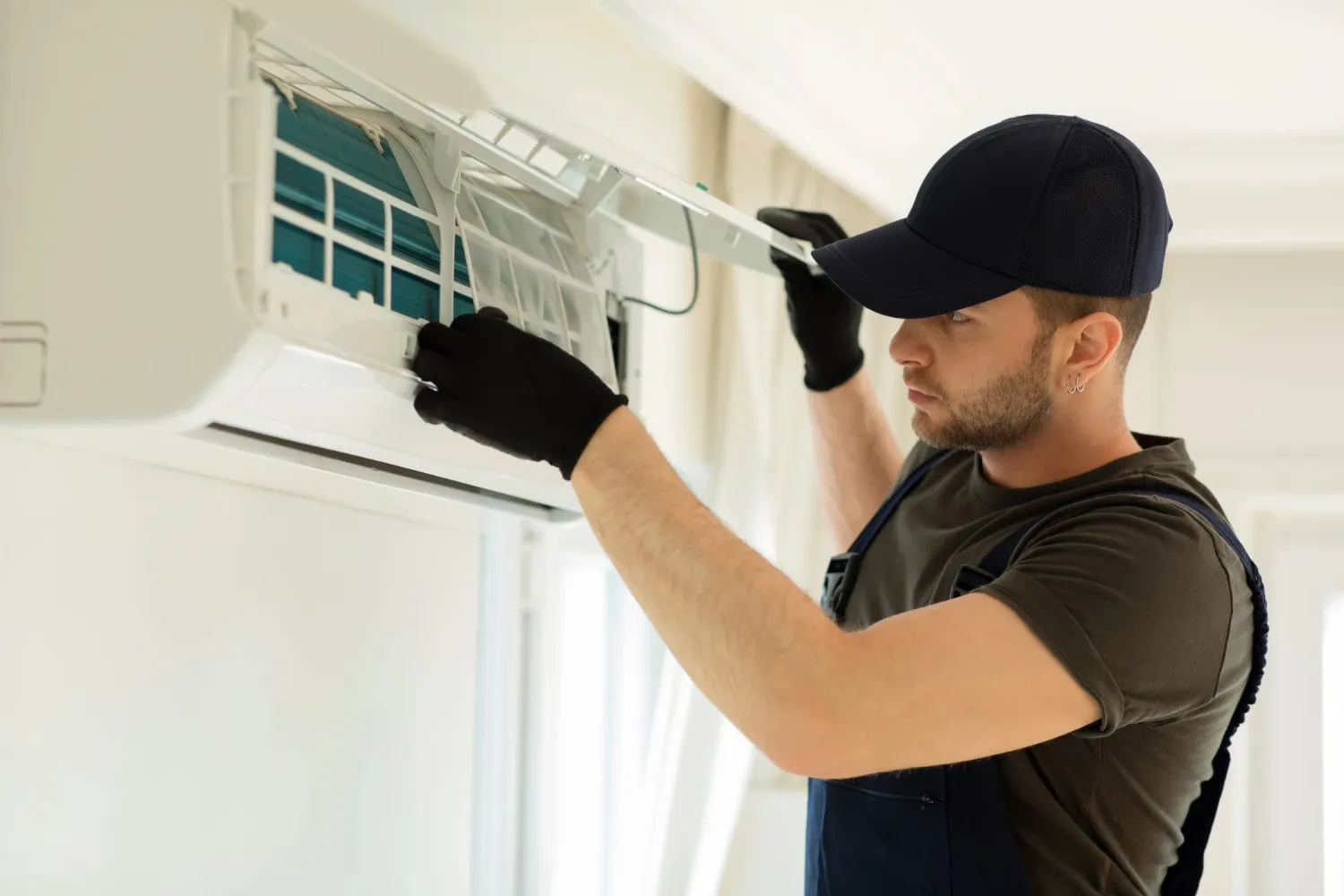
A new HVAC system installation is a construction project that requires precise engineering and adherence to building standards. Simply swapping out an old unit for a new one of the same size is often insufficient. Over time, home renovations, insulation changes, and window upgrades alter the thermal characteristics of a house. A professional installation ensures the new equipment is perfectly matched to the current needs of the structure.
The process is methodical and prioritizes long-term efficiency and reliability.
- Load Calculation: Before any equipment is selected, a Manual J load calculation is performed. This calculation determines the exact heating and cooling requirements of the home based on square footage, insulation, window orientation, and local climate data. This prevents the installation of oversized units, which cool too quickly without dehumidifying, or undersized units that run continuously without reaching the set temperature.
- Ductwork Inspection and Modification: High-efficiency systems require specific static pressure levels to operate correctly. The existing ductwork is evaluated for leaks, disconnects, and proper sizing. Modifications are made to the plenum or return drops to accommodate the airflow requirements of the new equipment.
- System Selection: Based on the load calculation, equipment is selected with the appropriate SEER2 (Seasonal Energy Efficiency Ratio) and HSPF2 (Heating Seasonal Performance Factor) ratings. Options may include single-stage, two-stage, or variable-speed compressors depending on budget and comfort goals.
- Physical Installation: The old equipment is safely recovered and removed. The new indoor air handler or furnace and outdoor condenser are set in place. Technicians braze refrigerant lines using nitrogen purging to prevent oxidation inside the copper tubing, a critical step for the longevity of modern refrigerants.
- Commissioning and Testing: Once connected, the system is not just turned on; it is commissioned. This involves vacuuming the lines to remove moisture, weighing in the precise refrigerant charge, and measuring static pressure and temperature split (the difference between supply and return air) to verify performance against manufacturer data.
Determining When to Replace vs. Repair
Homeowners often face the difficult decision of whether to invest in repairs for an aging system or to opt for a full replacement. Making the right financial choice requires analyzing the age of the unit, the cost of the repair, and the operational efficiency of the current equipment.
Financial and operational guidelines help clarify this decision:
- The 50% Rule: If the cost of the repair approaches or exceeds 50% of the value of a new system, replacement is generally the more economically sound choice. Investing heavy capital into a degrading asset often yields diminishing returns.
- System Age: The average lifespan of a central air conditioner is 10 to 15 years, while furnaces may last 15 to 20 years. If a unit is over 10 years old and requires a major repair—such as a compressor or heat exchanger replacement—upgrade is usually recommended. Older units may also utilize R-22 refrigerant, which is phased out and prohibitively expensive to restock.
- Efficiency Considerations: Older systems often operate at 10 to 12 SEER. Modern standards require higher efficiency, often starting at 14.3 SEER2 in the southern region. upgrading to a high-efficiency unit can significantly reduce monthly utility costs, offsetting the installation price over time.
- Frequency of Breakdowns: If a system requires multiple service calls in a single season, it indicates that internal components are failing in succession. Continued repair becomes a subscription to unreliability.
- Comfort Issues: Persistent uneven cooling, high humidity levels indoors, or excessive noise are signs that the system is no longer capable of meeting the demands of the home.
Local Operations: Utilities, Permits, and Climate Factors
Operating HVAC equipment in San Antonio involves navigating specific local challenges and regulations. The intense heat load requires equipment that can handle extreme ambient temperatures, often exceeding 100°F, without tripping high-pressure limits. Furthermore, humidity control is essential for indoor air quality and preventing mold growth in ductwork.
Compliance with local codes is non-negotiable for professional service providers.
- Permitting Requirements: The City of San Antonio Development Services Department requires permits for the installation or replacement of HVAC systems. This ensures that the installation meets safety codes regarding electrical connections, gas piping, and structural support. A professional provider handles the procurement of these permits and schedules the necessary city inspections.
- Utility Rebates: Local utility providers, such as CPS Energy, frequently offer rebate programs to incentivize the installation of high-efficiency equipment. These programs often target high SEER air conditioners and heat pumps, as well as smart thermostats. Knowledgeable contractors assist homeowners in identifying eligible equipment and providing the documentation needed to claim these rebates.
- Electrical and Gas Safety: Many homes in the area utilize gas furnaces for heating. Proper venting and gas line pressure testing are critical to prevent carbon monoxide leaks. ReliaBee Air, Electric, & Plumbing technicians adhere to strict safety protocols when handling gas connections and high-voltage electrical circuits.
- Humidity Management: Standard air conditioners remove moisture as a byproduct of cooling. However, in regions with high ambient humidity, variable-speed systems are often recommended. These units run for longer cycles at lower speeds, removing more moisture from the air than standard single-stage units, creating a cooler feeling environment at higher thermostat settings.
Why Professional Execution Matters
The difference between a functioning system and an optimized system lies in the quality of the service. Modern HVAC equipment is sophisticated, relying on complex control boards and precise refrigerant management. Attempting DIY repairs or utilizing unlicensed labor poses significant risks, including voided warranties and safety hazards.
Professional execution ensures:
- Warranty Preservation: Manufacturers strictly require that equipment be installed and serviced by licensed professionals to maintain warranty coverage. Improper installation is the leading cause of warranty claim denial.
- Long-Term Reliability: A system that is installed correctly, with proper airflow and charge, experiences less stress on components. This translates to fewer breakdowns and a longer overall service life.
- Safety Assurance: HVAC systems involve high voltage electricity, high-pressure refrigerants, and combustible gases. Certified technicians are trained to handle these elements safely, protecting the home and its occupants from fire hazards, electrical shocks, and toxic leaks.
- Access to Parts: Professional providers maintain relationships with distributors, ensuring faster access to OEM (Original Equipment Manufacturer) parts. This reduces downtime during critical weather events.
Ensuring your home remains a sanctuary against the elements requires a partnership with a dedicated service provider. From routine maintenance that prolongs system life to complex installations that improve energy efficiency, every step is handled with precision and adherence to local codes. For residents in San Antonio requiring expert HVAC solutions, ReliaBee Air, Electric, & Plumbing delivers the technical expertise needed to resolve climate control challenges effectively.
Secure your comfort and system efficiency today by scheduling a professional assessment.
Detailed Service That Maintains Total System Control
System output can only be trusted if it's regularly serviced to standard. ReliaBee Air, Electric, & Plumbing offers professional HVAC service in San Antonio, TX, structured to identify early-stage issues, verify safety controls, and ensure consistent system performance. From electrical inspections to airflow checks, our service process helps eliminate performance drift and costly emergency failures.
Schedule HVAC Service That Keeps Systems Operating Smoothly

Current Offers for
San Antonio Homeowners
Free Plumbing Safety Check


$59 AC Tune-Up
5% OFF FOR SENIORS
5% OFF FOR VETERANS & FIRST RESPONDERS

5% OFF FOR EDUCATORS


What Your Neighbors Are Saying