Heating Repair in Alamo Heights, TX

Urgent Heating Repairs When You Need Them Most
A heating breakdown during the few genuinely cold nights in Alamo Heights creates immediate discomfort and potential safety risks for your household. You need a solution that restores warmth quickly, ensuring your system operates safely without recurring issues. Contact us immediately to schedule a diagnostic visit or inquire about financing options for major repairs. ReliaBee Air, Electric, & Plumbing provides rapid, technical heating repair services designed to bring your system back online with minimal downtime.
- Rapid Response: Technicians are available to deploy quickly, often servicing homes in as little as one hour.
- Expert Diagnostics: We utilize advanced testing gear to identify the root cause accurately, preventing guesswork and future failures.
- Full Transparency: You receive clear, upfront pricing for the required repairs with no hidden costs or surprise fees.
All repairs come with a compliance guarantee and options for extended warranties, ensuring the work performed adheres to strict industry standards.
Comprehensive Heating System Diagnostics and Repair Scope
When a technician arrives at your property, the objective is not merely to patch a symptom but to restore the full integrity of the heating system. Modern furnaces and heat pumps are complex machines involving high-voltage electricity, combustible gases, and pressurized refrigerants. A professional repair visit involves a systematic evaluation of these components to ensure they function together seamlessly.
The scope of a standard heating repair service includes a thorough safety inspection. For gas furnaces, this is critical. Technicians examine the heat exchanger for cracks using inspection cameras. A cracked heat exchanger can leak carbon monoxide into the living space, a silent but deadly hazard. If the system is a heat pump, the refrigerant levels and pressures are measured to ensure the unit can extract heat effectively from the outdoor air.
Repairs often address specific mechanical or electrical failures. This includes replacing faulty igniters that fail to light the gas, swapping out worn-out blower motors that cannot circulate air, or calibrating sensitive flame sensors that shut the system down unnecessarily. The service also covers the calibration of the thermostat to ensure the temperature reading matches the actual room temperature, improving efficiency and comfort.
Every truck is stocked with common industry parts. This inventory management allows for the resolution of most heating issues during the initial visit. Whether the issue lies with a capacitor, a relay switch, or a control board, having the right components on hand eliminates the waiting period associated with ordering parts. The goal is to restore heat before the technician leaves the driveway.
The Technical Process for Restoring Your Heat
Understanding the repair workflow helps you prepare for the service visit. The process is designed to be efficient, logical, and transparent, moving from problem identification to resolution without wasted motion.
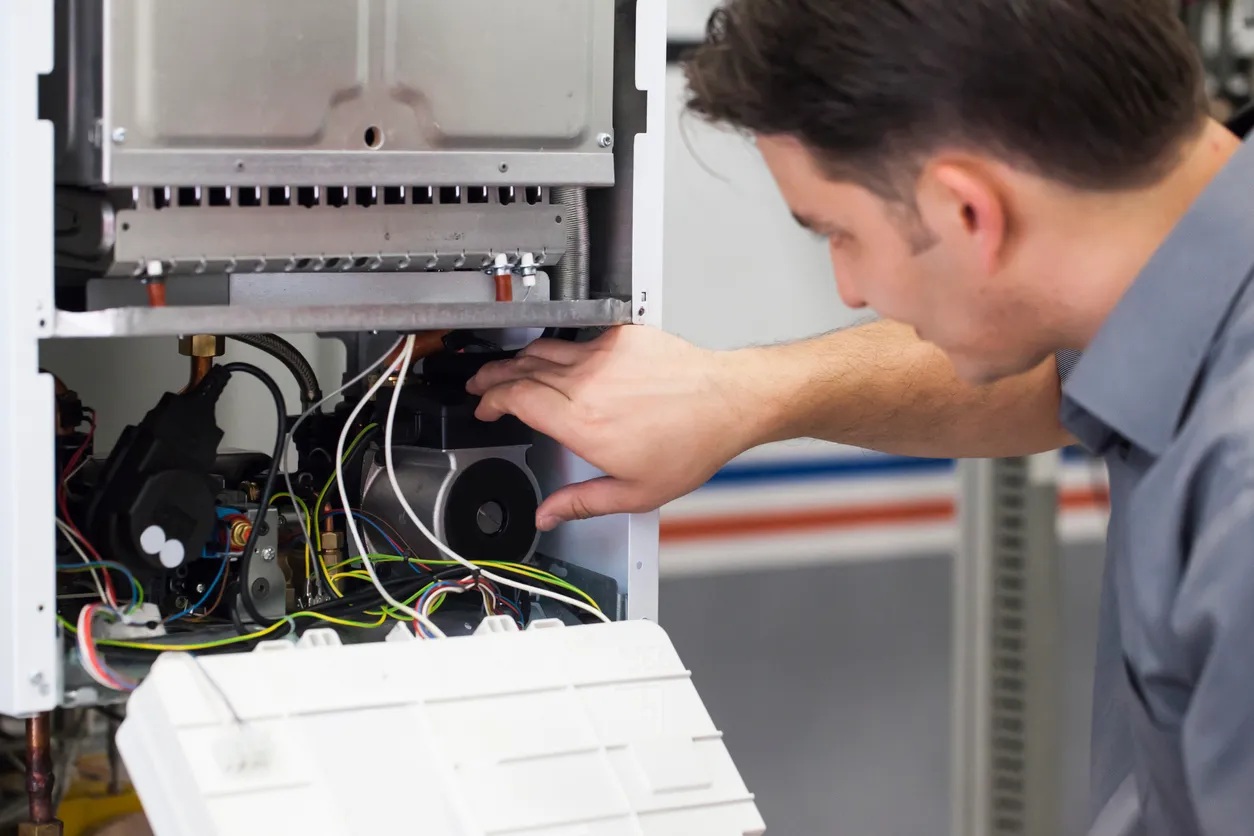
- Initial System Evaluation: The technician begins by listening to the system and the homeowner. They cycle the thermostat to observe the startup sequence. This auditory and visual inspection often points to the general area of failure, such as a humming motor that won't start or a burner that lights and immediately extinguishes.
- Diagnostic Testing: Using multimeters, manometers, and combustion analyzers, the technician measures voltage, gas pressure, and exhaust composition. These readings provide hard data on how the system is performing compared to manufacturer specifications. This step confirms the exact component failure.
- Presentation of Findings: Before any wrench is turned, you receive a detailed explanation of the problem. The technician outlines exactly which part has failed, why it failed, and the total cost to rectify it. This step ensures you approve the work before it begins.
- Execution of Repair: The faulty component is removed and replaced with an OEM-grade part. Electrical connections are tightened, and moving parts are lubricated if necessary. The technician ensures the new part integrates correctly with the existing system architecture.
- System Testing and Safety Check: Once the repair is complete, the system is run through a full heating cycle. The technician verifies that the burners ignite smoothly, the blower engages at the correct time, and the system shuts down safely. Carbon monoxide detectors are often used to verify air quality.
- Site Cleanup: The workspace is returned to its original condition. Old parts and packaging are removed from the premises, leaving no debris behind.
Deciding Between Repair and System Replacement
Homeowners frequently face the dilemma of whether to repair a malfunctioning unit or invest in a new system. While repair is often the most immediate and cost-effective solution, there are specific thresholds where replacement becomes the more financially sound decision. Making this distinction requires an analysis of age, cost, and safety.
Consider the age of the equipment. Most gas furnaces have a lifespan of 15 to 20 years, while heat pumps typically last 10 to 15 years. If your system in Alamo Heights is approaching or has exceeded this age range, parts may be obsolete, and efficiency has likely degraded significantly. Investing in a major repair for a unit at the end of its life is often diminishing returns.
Apply the 50% rule. If the cost of the necessary repair approaches 50% of the cost of a brand-new unit, replacement is generally recommended. A new system comes with a fresh warranty, whereas a repaired old system may suffer a different component failure shortly after the initial fix.
Review the frequency of breakdowns. If the system has required multiple repairs over the last two winters, it indicates that the internal components are failing in succession. "Nickel and diming" repairs can quickly exceed the monthly cost of financing a new, high-efficiency system.
Safety is the final and most important factor. If a furnace has a cracked heat exchanger, repair is rarely an option due to the severe liability and safety risks. In such cases, replacement is the only responsible course of action to protect the occupants of the home.
Common Heating Failures in South Texas Climates
The climate in this region presents unique challenges for heating equipment. While winters are generally mild compared to northern states, the rapid temperature shifts and long periods of inactivity for heating components can lead to specific types of failures.
- Ignition Control Issues: Because furnaces sit unused for eight to nine months, dust and debris can accumulate on pilot lights, hot surface igniters, and flame sensors. When the first cold snap hits, these dirty components often fail to ignite the gas or sense the flame, causing the system to lock out for safety.
- Capacitor Failure: Heat pumps run year-round, cooling in the summer and heating in the winter. The start and run capacitors endure immense stress during the long, hot summers. It is common for these electrical components to weaken and finally fail during the winter heating cycle, preventing the compressor or fans from starting.
- Thermostat Miscalibration: Large swings between daytime highs and nighttime lows can sometimes cause issues with older thermostats. Batteries may die, or the sensors may drift, leading to a house that is too hot or too cold regardless of the setting.
- Clogged Air Filters: The heavy usage of air conditioning during the summer loads air filters with dust, pollen, and pet dander. If these are not changed before the heating season, the restricted airflow can cause the furnace heat exchanger to overheat and shut down on a high-limit switch.
- Reversing Valve Defects: In heat pumps, the reversing valve is responsible for switching the unit from cooling mode to heating mode. After sitting in cooling mode for months, this valve can sometimes stick, preventing the system from producing heat when the temperature drops.
Local Considerations for Utilities and Regulations
Operating a heating system in Alamo Heights requires adherence to specific local codes and an understanding of the regional utility infrastructure. Whether your home relies on gas or electricity determines the nature of the repair and the licensing required.
Electrical heating repairs typically involve high-voltage circuits. Local codes dictate strictly how wiring must be handled to prevent fire hazards. Technicians must ensure that wire gauges are appropriate for the amperage draw of the heating strips or heat pumps. Issues with the breaker panel or main service line may require coordination with CPS Energy to ensure the home receives adequate power for the heating load.
Gas furnace repairs involve strict plumbing and safety codes. Any work touching the gas line, gas valve, or venting system must ensure there are no leaks. Local regulations regarding the venting of combustion gases are designed to prevent back-drafting, where exhaust gases are pulled back into the home. Technicians verify that flue pipes have the correct slope and diameter according to the building code.
Seasonality plays a major role in service availability. The transition from late fall to winter often sees a spike in service calls as residents turn on their heaters for the first time. Preventive maintenance performed before the temperature drops can often circumvent the rush, but when immediate repair is needed, knowing the local landscape helps in understanding response times and urgency.
Technical Expertise and Service Integrity
Selecting a repair provider is a decision based on technical capability and operational integrity. You require a team that treats the mechanical complexity of your heating system with respect and precision. ReliaBee Air, Electric, & Plumbing focuses on delivering data-driven results rather than temporary patches.
Technicians undergo rigorous training to stay current with the latest HVAC technologies, including variable-speed blowers, communicating thermostats, and inverter-driven heat pumps. This technical depth ensures that even the most modern, complex systems are diagnosed correctly. The use of digital diagnostic tools removes human error from the equation, providing objective evidence of system performance.
Respect for the property is paramount. Repair work involves moving through living spaces, often with heavy tools and equipment. The process includes the use of shoe covers and floor mats to protect flooring and carpets from debris. The workspace is kept organized to minimize disruption to the household routine.
Secure Your Comfort and Safety Today
A broken heater is not a problem that resolves itself. Delaying repair can lead to frozen pipes, increased repair costs, and prolonged discomfort for your family or employees. Immediate action ensures that minor issues do not cascade into catastrophic system failures.
Ensure your heating system is operating at peak efficiency and safety. Do not wait for the temperature to drop further. Reach out now to schedule your professional diagnostic and repair service.

Current Offers for
San Antonio Homeowners
Free Plumbing Safety Check


$59 AC Tune-Up
5% OFF FOR SENIORS
5% OFF FOR VETERANS & FIRST RESPONDERS
5% OFF FOR EDUCATORS


What Your Neighbors Are Saying