Heating Repair in Bulverde, TX

Unexpected Heating Failures Require Immediate Professional Attention
When your heating system falters on a cold night in Bulverde, timely and professional repairs aren't just a convenience—they are a necessity for the safety and comfort of your household. If your furnace or heat pump has stopped working, Contact us immediately to schedule a diagnostic visit or discuss financing options.
A broken heater disrupts your daily routine and introduces discomfort that can escalate quickly during a winter cold snap. You need a solution that goes beyond a quick patch; you need a comprehensive repair that restores reliability to your HVAC system. We focus on diagnosing the root cause of the failure to prevent recurrence, ensuring that when we leave, your home remains warm.
- Fast response times with emergency service options available to address urgent breakdowns.
- Experienced technicians trained to handle complex repairs on all major makes and models.
- Clear, upfront pricing provided before work begins, ensuring no surprise fees.
- All services backed by a satisfaction guarantee and comprehensive warranties for your peace of mind.
What to Expect During Your Heating Repair Service
When you request service, the priority is to accurately identify why the system failed and restore function as efficiently as possible. Modern heating systems, whether gas furnaces or electric heat pumps, are complex machines with numerous safety switches and electronic components. A professional intervention aims to isolate the specific mechanical or electrical fault rather than simply swapping out parts until the unit turns on.
The scope of a standard repair visit covers the entire heating cycle. Technicians examine the thermostat communication, the ignition sequence, airflow restrictions, and safety mechanisms. This thorough approach ensures that the repair addresses not just the symptom, such as a lack of heat, but the underlying issue, such as a failing sensor or obstructed intake.
Comprehensive System Diagnostics
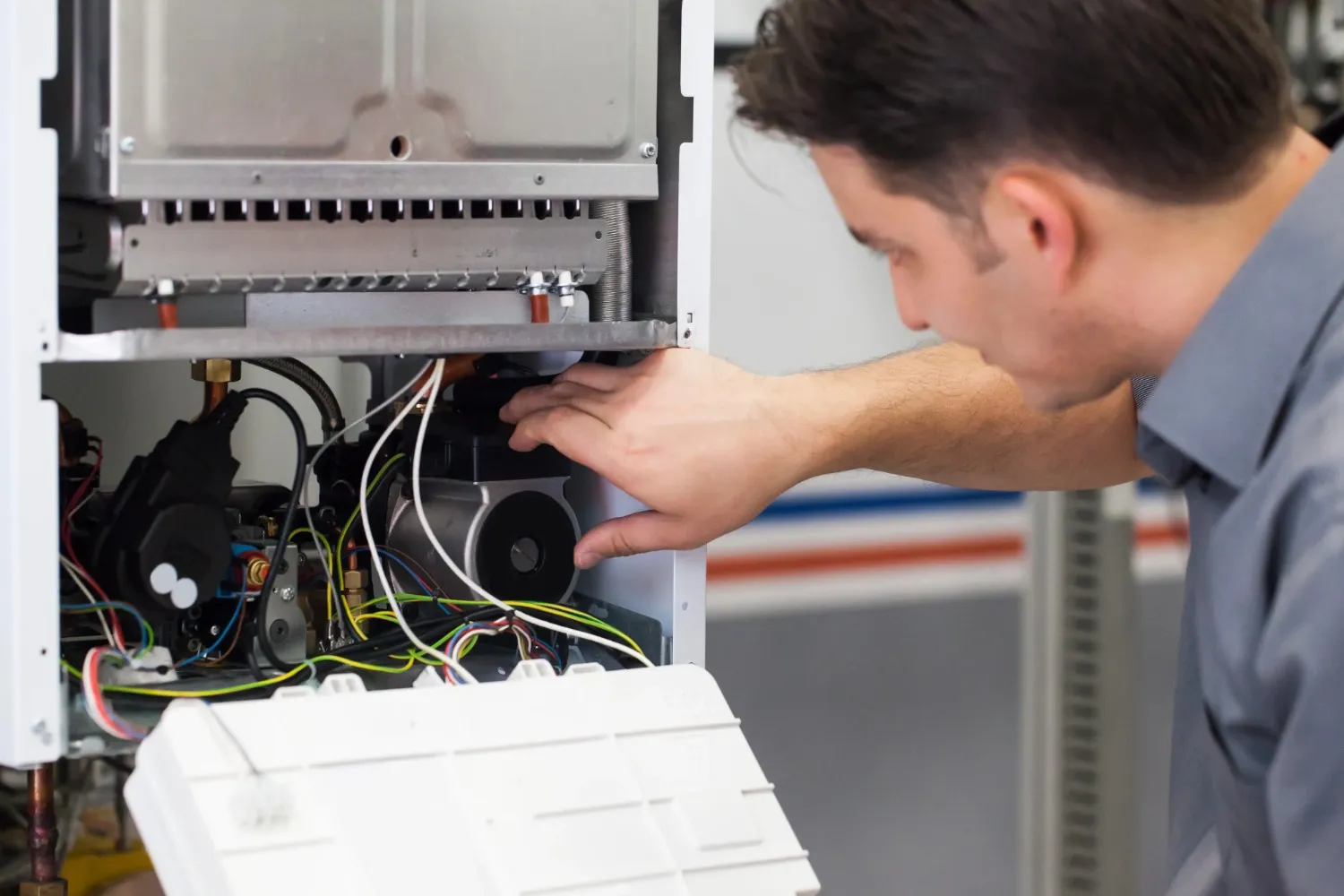
The diagnostic phase is the most critical part of the service. Without a correct diagnosis, repairs are merely guesswork.
- Thermostat and Control Analysis: Technicians verify that the thermostat is correctly signaling the heating unit. This includes checking for calibration issues, loose wiring, or battery failures that might mimic a system breakdown.
- Airflow and Filtration Check: Restricted airflow is a leading cause of system overheating and failure. The service includes inspecting filters, ductwork integrity, and blower motor performance to ensure heat is moving efficiently into your living spaces.
- Safety and Limit Switch Testing: Heating systems are designed with internal safeties to prevent fires and carbon monoxide leaks. These switches, such as the high-limit switch or rollout switch, are tested to ensure they are functioning correctly and not tripping due to an external variable.
- Electrical Component Inspection: Loose connections, frayed wires, and failing capacitors are common culprits. The technician tightens connections and measures voltage and amperage to ensure components are operating within manufacturer specifications.
Specific Repairs for Gas Furnaces
For homes utilizing gas heat, safety is paramount. The repair process involves specific checks on the combustion process.
- Ignition System Repair: Issues with hot surface ignitors or pilot lights are frequent. The technician will test the resistance of the ignitor and clean flame sensors to ensure reliable firing.
- Heat Exchanger Inspection: A cracked heat exchanger can leak carbon monoxide. This component is visually inspected and tested for integrity to ensure the air inside your home remains safe to breathe.
- Gas Valve and Line Calibration: The flow of gas must be precise. Technicians check the gas valve operation and inspect gas lines for any signs of leaks or pressure issues.
Specific Repairs for Heat Pumps
Heat pumps are common in regions like Bulverde due to their dual functionality, but they face unique issues.
- Reversing Valve Troubleshooting: If a heat pump blows cold air in winter, the reversing valve—which switches the unit from cooling to heating—is often the issue.
- Defrost Board Diagnosis: Heat pumps must defrost their outdoor coils to maintain efficiency. If the defrost board fails, ice accumulates, and the system stops heating.
- Auxiliary Heat Strip Testing: When temperatures drop significantly, the electric heat strips provide supplemental warmth. These are tested to ensure they engage when the outdoor unit cannot keep up with demand.
The Professional Repair Process: Step-by-Step
Understanding how a professional technician approaches your home’s heating issues helps manage expectations and prepares you for the service visit. The process is designed to be transparent, minimizing disruption to your day while ensuring technical accuracy.
- Initial Dispatch and Arrival: Upon scheduling, you receive a notification regarding the technician's arrival window. The technician arrives with a fully stocked vehicle, prepared to handle the most common repairs immediately.
- System Assessment: The technician begins by listening to your description of the problem—strange noises, smells, or cycling issues. They then perform a visual inspection and run the system to replicate the failure.
- Detailed Troubleshooting: Using specialized tools like multimeters, manometers, and combustion analyzers, the technician isolates the faulty component. This eliminates guesswork and pinpoints exactly what needs to be fixed.
- Proposal and Approval: Once the issue is identified, ReliaBee Air, Electric, & Plumbing provides a clear explanation of the problem and a written estimate for the repair. No work proceeds without your explicit approval, giving you control over the cost.
- Execution of Repair: The technician performs the necessary repairs, replacing damaged parts with high-quality, OEM-standard components. Care is taken to protect your home and flooring during this process.
- System Validation and Cleanup: After the repair, the system is cycled through several heating runs to verify stability. The technician checks for proper temperature rise and airflow. Finally, the work area is cleaned, leaving your home exactly as it was found.
Deciding When to Repair vs. Replace Your Heating Unit
One of the most difficult decisions a homeowner faces is whether to invest in another repair or replace the system entirely. While a repair is often the most immediate and cost-effective solution, there are thresholds where continued investment in an aging system becomes financially unwise. Making this decision requires looking at the long-term efficiency and reliability of your current setup.
The 50% Rule
A common industry standard used to guide this decision is the 50% rule.
- If the cost of the repair approaches or exceeds 50% of the value of a new system, replacement is generally the better financial option.
- This calculation should include the likelihood of future repairs. If you spend 50% now, will you spend another 20% in six months?
Age of the Equipment
Heating systems have a finite lifespan.
- Furnaces: Typically last 15 to 20 years. If your furnace is over 15 years old and requires a major repair (like a blower motor or heat exchanger), replacement offers better long-term value.
- Heat Pumps: Generally last 10 to 15 years due to year-round usage. A heat pump nearing the 12-year mark that suffers a compressor failure is rarely worth repairing.
Frequency of Breakdowns
Reliability is a key factor in comfort.
- If you have required repairs more than twice in the last two years, the system is demonstrating a pattern of failure.
- "Nickel and diming" costs add up. Frequent small repairs often total more than a monthly payment on a new, high-efficiency system.
Energy Efficiency Considerations
Older systems are significantly less efficient than modern counterparts.
- A system rated at 80% AFUE (Annual Fuel Utilization Efficiency) wastes 20 cents of every dollar spent on gas. Modern systems can reach up to 98% efficiency.
- If your energy bills have been steadily rising despite consistent usage, the internal wear on the system is likely causing efficiency loss. Upgrading can lower monthly utility costs, helping to offset the price of the new unit.
Local Considerations for Heating in This Region
Operating a heating system in the Bulverde area presents specific challenges due to the local climate and regulatory environment. While winters are generally mild compared to northern states, the humidity and sudden temperature drops can strain equipment in unique ways.
Humidity and "Blue Northers"
The humid subtropical climate means that moisture levels remain relatively high even in winter.
- High humidity can make the air feel colder than the thermometer indicates, forcing homeowners to run heat at higher settings.
- Sudden cold fronts, often called "Blue Northers," can drop temperatures drastically in a matter of hours. This rapid shift puts immense stress on heat pumps and furnaces, forcing them to ramp up from idle to maximum capacity instantly. This thermal shock is often when weak components fail.
Electric vs. Gas Infrastructure
The area relies on a mix of electric and gas utilities.
- Homes in more rural parts of the region may rely on propane or solely on electricity (heat pumps). Propane furnaces require specific nozzle adjustments and pressure settings different from natural gas.
- Electric heat pumps are very efficient here, but they must have functioning emergency heat strips to handle those rare nights when temperatures drop near freezing, as heat pump efficiency declines in extreme cold.
Permitting and Safety Codes
HVAC work is regulated to ensure safety.
- Major repairs, especially those involving gas lines or electrical circuit modifications, must adhere to local building codes.
- Hiring a licensed professional ensures that all work complies with the National Electric Code (NEC) and local municipal requirements. This is vital for insurance purposes and the future resale value of your home.
- Proper venting is strictly enforced to prevent carbon monoxide buildup. Licensed technicians verify that flue pipes and vents meet all clearance requirements.
Why Professional Service Matters for Your Home
Choosing the right service provider determines the longevity and safety of your heating system. HVAC equipment involves high-voltage electricity, combustible gases, and high-pressure refrigerants. Attempting DIY repairs or hiring unqualified labor poses significant risks, including fire hazards, voided warranties, and inefficient operation.
Professional technicians undergo rigorous training to stay updated on the latest technology and safety protocols. They carry the correct tools to diagnose issues accurately without damaging sensitive electronics. Furthermore, established service providers carry liability insurance and workers' compensation, protecting the homeowner from any liability during the repair process.
- Warranty Protection: Most equipment manufacturers require proof of professional service to uphold parts warranties. Professional repairs generate the necessary documentation.
- Long-Term Reliability: A proper fix lasts. Professionals test the system under load to ensure the repair holds, reducing the chance of a callback.
- Safety Assurance: Carbon monoxide testing and gas leak detection are standard parts of a professional workflow, ensuring your family is safe.
Restore Comfort and Safety to Your Home
A functioning heating system is essential when temperatures drop. Delays in repair can lead to frozen pipes, uncomfortable living conditions, and increased stress on an already failing unit. Whether you are dealing with a noisy furnace, a heat pump that won't defrost, or a complete system shutdown, decisive action is the path to restoring comfort.
We provide the expertise required to diagnose complex heating issues and the skilled labor to fix them right the first time. From minor electrical tweaks to major component replacements, the goal is always to deliver reliability and warmth. Don't let a heating failure disrupt your home life any longer.
Schedule your heating repair service today to ensure your home stays warm and safe.

Current Offers for
San Antonio Homeowners
Free Plumbing Safety Check

$59 AC Tune-Up
5% OFF FOR SENIORS
5% OFF FOR VETERANS & FIRST RESPONDERS
5% OFF FOR EDUCATORS


What Your Neighbors Are Saying