Heating Service in Bulverde, TX

Is Your Heating System Failing to Keep Up When Temperatures Drop?
When your heating service falters during a sudden cold snap in Bulverde, the discomfort can be immediate and stressful for your entire household. Immediate, reliable repairs and diagnostics are not just a convenience—they are a necessity to ensure safety and restore warmth. Contact us immediately to schedule your diagnostic or service appointment.
ReliaBee Air, Electric, & Plumbing understands that unexpected breakdowns require swift, decisive action.
- Rapid same-day service to restore your comfort swiftly.
- 24/7 availability to tackle any HVAC challenge at any time.
- Guaranteed high-quality repairs with satisfaction assured.
Fully licensed and insured—with flexible financing options available.
What to Expect From Professional Heating Service
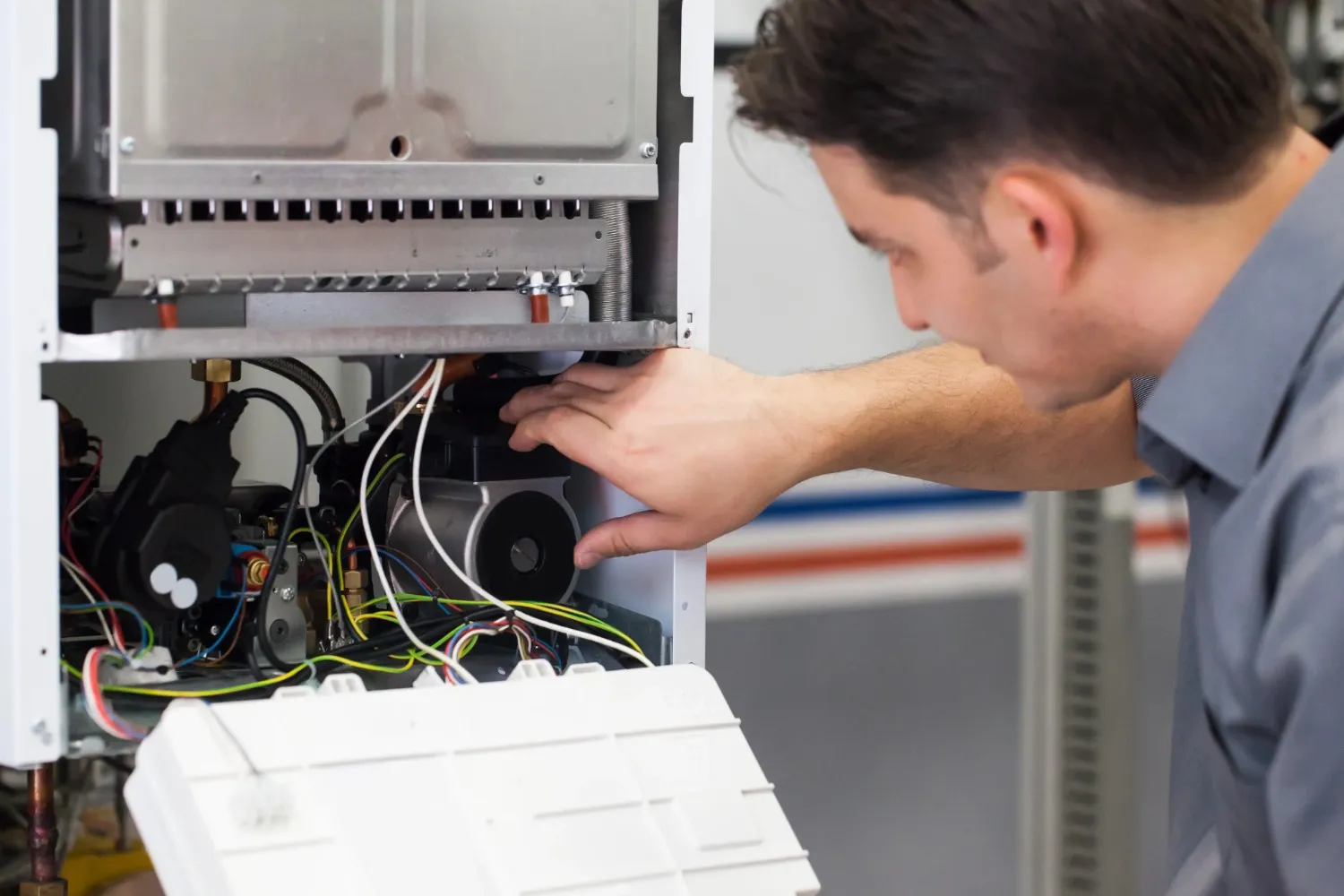
When you engage a professional service provider for heating issues, the objective is to eliminate uncertainty immediately. You need to know exactly what is wrong, how long it will take to fix, and what the financial implications are. The process begins with a comprehensive diagnostic evaluation. Technicians arrive fully equipped to assess the entire heating envelope of the home, not just the unit itself.
In the Bulverde area, heating systems often sit dormant for long periods due to the extended warm seasons. This inactivity can lead to specific mechanical failures when the unit is finally engaged. A professional service visit focuses on identifying these dormancy-related issues, such as dried-out bearings, dust accumulation on burners, or electrical connections that have loosened over time via thermal expansion and contraction.
The service scope generally includes:
- Complete System Diagnostics: Testing the ignition system, flame sensors, and heat exchangers for safety and functionality.
- Airflow Analysis: Ensuring that the blower motor is moving air efficiently through the ductwork to prevent overheating.
- Thermostat Calibration: Verifying that the temperature reading on the wall matches the actual output of the system.
- Safety Inspections: Rigorous testing for carbon monoxide leaks, gas line integrity, and electrical safety hazards.
You receive a transparent report detailing the health of your system. There is no guesswork. The technician provides clear options for repair, explaining the immediate requirements to get the system running versus recommended preventative measures to avoid future calls.
The Assessment Process: Repair Versus Replacement
One of the most critical decisions a homeowner faces is determining when a heating unit has reached the end of its viable lifespan. While repairs are often the most cost-effective short-term solution, throwing money at a failing system can be financially draining in the long run. Making an informed decision requires analyzing specific metrics regarding age, efficiency, and repair frequency.
The general industry standard follows the 50% rule: if the cost of the repair approaches or exceeds 50% of the value of a new system, replacement is the more prudent financial choice. However, other factors weigh heavily on this decision.
Age of the Unit
Most furnaces and heat pumps have a service life between 15 and 20 years. If your unit is approaching the 15-year mark, major component failures—such as a cracked heat exchanger or a failed compressor—often signal that the system is entering a cascade of breakdowns. In these scenarios, a repair serves only as a temporary patch rather than a solution.
Energy Efficiency Ratings (AFUE and HSPF)
Heating technology has advanced significantly in the last decade. Older units in Bulverde may operate at 60% to 70% AFUE (Annual Fuel Utilization Efficiency), meaning 30 to 40 cents of every dollar spent on heating is wasted. Modern systems can achieve ratings up to 98%. Upgrading to a high-efficiency unit can lower utility bills enough to offset the installation cost over time.
Frequency of Breakdowns
If you have required service calls more than twice in the last two heating seasons, the system is demonstrating unreliability. Constant repairs are not only expensive but also leave you vulnerable to failure during the coldest nights of the year. A replacement restores peace of mind with manufacturer warranties that cover parts and labor for extended periods.
How the Heating Restoration Workflow Operates
Restoring heat to a home follows a structured, technical process designed to ensure safety and efficiency. This workflow is consistent regardless of whether the job involves a minor component swap or a major system overhaul. Professional technicians adhere to strict protocols to ensure the job is done right the first time.
- Initial Site Evaluation: The technician inspects the physical environment, checking for adequate combustion air (for gas furnaces) and proper clearance around the unit.
- Diagnostic Testing: utilizing multimeters and manometers to measure electrical voltage, amperage, and gas pressure. This isolates the root cause of the failure.
- Proposal and Approval: You are presented with a detailed explanation of the problem and a fixed quote for the repair. Work only begins after you understand and approve the scope.
- Execution of Repairs: The technician performs the necessary mechanical or electrical work, using OEM (Original Equipment Manufacturer) parts whenever possible to maintain system integrity.
- System Verification: After the repair, the system is cycled through multiple operational stages. The technician measures temperature rise (the difference between air entering and leaving the unit) to confirm it falls within manufacturer specifications.
- Cleanup and Debrief: The work area is cleaned, and the technician walks you through what was done, providing tips on how to maintain the repair.
Technical Considerations for Heat Pumps and Furnaces
The climate in Texas presents unique challenges for HVAC equipment. While winters are generally mild compared to northern states, temperature drops can be sudden and severe. This variability makes the choice of equipment and the quality of maintenance critical.
Heat Pump Systems
Heat pumps are incredibly efficient for the local climate because they transfer heat rather than generating it. In the winter, they extract latent heat from the outdoor air and move it inside. Because they handle both heating and cooling, they run year-round. This double duty means they require more frequent maintenance than a standalone furnace. Issues often arise with the reversing valve (which switches modes between heat and cool) or the defrost board, which prevents ice buildup on the outdoor unit during freezing conditions.
Gas and Electric Furnaces
For homes relying on furnaces, the focus is on combustion safety and electrical integrity. Gas furnaces require precise calibration of the gas valve to ensure clean burning. An improper mixture can lead to soot buildup and dangerous carbon monoxide production. Electric furnaces rely on heating elements and sequencers; if a sequencer fails, the elements may not engage in the correct order, causing the breaker to trip or the system to blow cold air.
Addressing Local Seasonality and Building Codes
Operating a heating system in Bulverde involves navigating specific local factors that influence system performance and longevity. The humid subtropical climate means that humidity control is a year-round concern, not just a summer issue. In the shoulder seasons—spring and autumn—heating systems must cycle correctly to avoid making the indoor air feel stuffy or clammy.
Humidity and Indoor Air Quality
Excessive humidity can lead to mold growth inside ductwork if the system is not sized or maintained correctly. When a heater runs, it changes the relative humidity of the home. Professional service includes checking the condensate drain lines (for heat pumps and high-efficiency furnaces) to ensure they are clear of algae and blockages. Blocked drains can cause water damage to ceilings and floors.
Permits and Compliance
Any significant modification to a heating system, particularly system replacements or gas line alterations, generally requires adherence to local building codes. These codes are in place to ensure fire safety and energy efficiency. Professional providers handle the logistical burden of ensuring all work complies with current regulations. This includes verifying that venting systems meet safety standards and that electrical connections are up to code. Unpermitted work can complicate future home sales and may void manufacturer warranties.
Preparation for the "Texas Freeze"
While deep freezes are rare, they are devastating when they occur. Service calls skyrocket during these events. A pre-season tune-up in the late fall is the best defense against being left in the cold. This proactive service ensures that the auxiliary heat strips in heat pumps are functional and that gas furnaces fire up reliably after sitting idle during the long summer.
Why Technical Expertise is Non-Negotiable
Heating systems involve high-voltage electricity, combustible gases, and high-pressure refrigerants. Attempting DIY repairs or hiring unqualified labor poses significant risks to property and personal safety. Professional technicians undergo rigorous training to handle these elements safely.
Manufacturer Warranty Protection
Most equipment manufacturers require proof of professional maintenance to keep warranties valid. If a compressor fails three years into a ten-year warranty, the manufacturer may ask for service records. Professional service ensures a paper trail that protects your investment.
Accurate Sizing and Installation
Efficiency is determined by installation quality. A high-end system installed poorly will perform worse than a mid-range system installed perfectly. Technicians perform load calculations to ensure the equipment is sized correctly for the square footage and insulation values of the home. Oversized units cycle on and off too frequently, leading to premature wear, while undersized units run constantly without reaching the set temperature.
Comprehensive Tooling
Diagnosing modern HVAC systems requires specialized tools—refrigerant gauges, combustion analyzers, and airflow hoods—that are not available to the average homeowner. These tools allow technicians to see "inside" the system's operation, identifying imbalances that aren't visible to the naked eye.
Finalizing Your Heating Service Decisions
When your heating system demands attention, the priority is restoring safety and comfort with minimal disruption to your daily life. Whether you require an emergency repair on a freezing night or are planning a strategic replacement of an aging unit, the quality of the service provider determines the longevity of the solution.
You need a partner who understands the local climate challenges and offers transparent, data-driven advice. From ensuring your heat pump defrosts correctly to verifying the combustion safety of your gas furnace, professional intervention is the key to a comfortable home.
Don't wait for a complete system failure to address heating inconsistencies. Secure your home’s comfort and efficiency today.
Contact ReliaBee Air, Electric, & Plumbing now to schedule your heating service.

Current Offers for
San Antonio Homeowners
Free Plumbing Safety Check


$59 AC Tune-Up
5% OFF FOR SENIORS
5% OFF FOR VETERANS & FIRST RESPONDERS
5% OFF FOR EDUCATORS


What Your Neighbors Are Saying