Heating Installation in Fair Oaks Ranch, TX

Is Your Current Heater Failing to Keep Up With The Cold?
Facing unexpected cold snaps in Fair Oaks Ranch can turn a comfortable home into an icebox overnight, especially when your heating system fails to perform. Ensure your home stays warm and safe with expert heating installation services designed to handle the specific climate shifts of Texas. Call ReliaBee Air, Electric, & Plumbing to schedule your consultation or to discuss financing options for a new system:
- Get accurate, professional installation from certified technicians who understand local heating loads.
- Access competitive financing options and comprehensive manufacturer warranties on new equipment.
- Experience a streamlined process that prioritizes safety, efficiency, and respect for your property.
All installations comply strictly with local building codes, ensuring transparent pricing and a job done right the first time.
Comprehensive Heating Installation Services
When you invest in a new heating system, you are purchasing more than just a piece of machinery; you are securing the comfort and safety of your home for the next 15 to 20 years. Modern heating technology has advanced significantly, offering higher efficiency ratings that translate directly into lower monthly utility bills. ReliaBee Air, Electric, & Plumbing provides a full scope of heating installation services tailored to the unique architectural and insulation needs of homes in this region.
The scope of a professional installation goes far beyond simply swapping out an old box for a new one. It involves a complete assessment of your home’s thermal characteristics. Factors such as window quality, insulation levels in the attic, square footage, and even the direction your home faces influence the size and type of heater required. Whether you are looking for a gas furnace, an electric air handler, or a high-efficiency heat pump, the goal is to match the equipment capacity exactly to the heating load of your property.
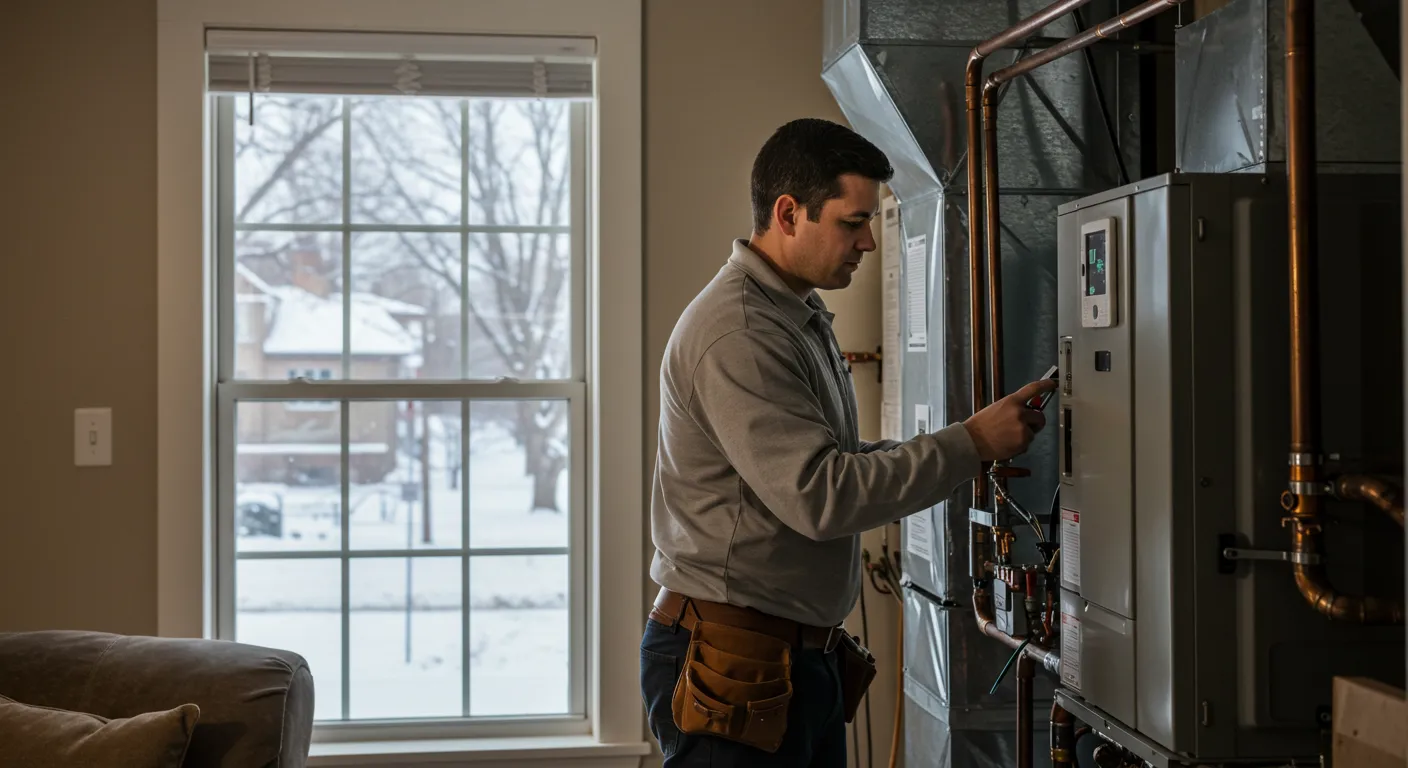
Residents in Fair Oaks Ranch often rely on versatile systems that can handle mild winters while possessing the power to combat occasional freezing temperatures. A professional installation includes the safe removal and disposal of your old unit, inspection of existing ductwork to prevent leaks, and the precise calibration of the new unit. This ensures that when you turn the thermostat up, the response is immediate and consistent across every room in the house.
Understanding System Types and Efficiency Ratings
Selecting the right equipment is the first step in the installation process. Homeowners generally choose between furnaces and heat pumps based on energy availability and efficiency goals:
- Gas Furnaces: These are measured by Annual Fuel Utilization Efficiency (AFUE). A higher AFUE rating means the furnace converts more fuel into usable heat. Modern units can achieve up to 98% efficiency, meaning very little energy is wasted.
- Heat Pumps: These systems move heat rather than generating it, making them incredibly efficient for the Texas climate. They double as air conditioners in the summer. Efficiency is measured in SEER2 (cooling) and HSPF2 (heating).
- Dual Fuel Systems: These combine an electric heat pump with a gas furnace. The system automatically switches between fuel sources depending on the outside temperature to maximize efficiency.
The Installation Process: From Assessment to Airflow
A systematic approach to installation eliminates errors and ensures the longevity of your new system. Skipping steps or rushing the process can lead to "short cycling," where the unit turns on and off too frequently, wearing out components and driving up energy costs.
Load Calculation and Sizing
The most critical step happens before the truck arrives. Technicians perform a Manual J load calculation. This industry-standard protocol determines exactly how much heat your home loses in winter and gains in summer:
- First, the technician measures square footage and assesses volume, including high ceilings.
- Next, they evaluate insulation levels in walls, attics, and crawl spaces.
- Then, window types and infiltration rates are factored in.
- Finally, a system size is recommended that is neither too big (which causes humidity issues and short cycling) nor too small (which runs constantly without reaching the set temperature).
Site Preparation and Safety Checks
Once the correct unit is selected, the physical work begins. Protecting your home is a priority during this phase:
- Technicians lay down drop cloths and wear protective shoe covers to keep flooring clean.
- Gas lines and electrical connections are inspected to ensure they meet current safety standards.
- The area surrounding the indoor and outdoor units is cleared to ensure proper airflow and service access.
System Installation and Calibration
The physical installation involves connecting the new unit to the existing infrastructure of your home:
- The old unit is disconnected, removed, and hauled away for recycling.
- New equipment is leveled and secured to minimize vibration and noise.
- Ductwork connections are sealed with mastic or metal tape to prevent air leakage.
- Refrigerant lines (for heat pumps) are brazed, pressure-tested with nitrogen, and evacuated to remove moisture.
- Electrical wiring and control systems, including smart thermostats, are connected and tested.
Final Testing and Commissioning
The job is not complete until the system is running at peak performance — schedule service today:
- Technicians measure static pressure in the ducts to ensure proper airflow.
- Temperature rise (the difference between air entering and leaving the unit) is checked against manufacturer specifications.
- Safety limits and sensors are tested to ensure the unit shuts down properly if an issue arises.
- The homeowner is walked through the operation of the new thermostat and maintenance requirements.
Deciding Between Repair and Replacement
Determining whether to repair an aging heater or invest in a new installation is a common dilemma for homeowners. While a quick repair might seem cheaper upfront, it is often a temporary fix for a system that is nearing the end of its useful life. Making a strategic decision requires looking at the long-term costs of operation and reliability:
The 50% Investment Rule
A widely accepted guideline in the HVAC industry is the 50% rule. If the cost of the repair equals or exceeds 50% of the value of a new system, replacement is the smarter financial move. Additionally, if the repair cost multiplied by the age of the unit exceeds the cost of a new unit, you should consider replacement. For example, a $500 repair on a 10-year-old system ($5,000) might be borderline, but a $1,000 repair on that same unit pushes the math toward replacement.
Age and Reliability
Heating systems typically last between 15 and 20 years. As they age, internal components corrode, and efficiency drops.
- Frequency of Breakdowns: If you have required repairs more than once in the last two years, the system is becoming unreliable.
- Rising Energy Bills: As parts wear out, the system works harder to produce the same amount of heat. If your usage hasn't changed but your bills have spiked, the heater is losing efficiency.
- Uneven Heating: If some rooms are freezing while others are roasting, the system may be losing compression or airflow capacity.
- Strange Noises or Smells: Squealing, banging, or persistent burning smells often indicate serious mechanical failure or a cracked heat exchanger, which is a significant safety hazard.
Comfort and Technology Upgrades
Newer systems offer features that older units simply cannot match. Variable-speed blowers allow the air to circulate constantly at a low level, reducing stagnant air pockets and improving filtration. Smart thermostats allow you to control the temperature from your phone and learn your schedule to save money when you are away. Investing in replacement gives you access to these comfort-enhancing technologies.
Local Considerations for Fair Oaks Ranch Homeowners
Installing a heater in this specific region requires knowledge of local regulations and environmental factors. Fair Oaks Ranch has specific building codes designed to ensure safety and energy conservation:
Permitting and Code Compliance
In Texas, replacing an HVAC system generally requires a building permit. This is a safeguard for the homeowner. It ensures that the installation meets safety standards regarding gas piping, electrical wiring, and exhaust venting.
- Why Permits Matter: An unpermitted installation may not be covered by homeowner's insurance in the event of a fire or water damage. Furthermore, when selling your home, inspectors will look for proof of permitted work.
- Utility Coordination: If your installation involves switching from electric to gas or upgrading your electrical panel to handle a heat pump, coordination with local utility providers is necessary.
- Inspection: After the installation, a city inspector may visit to verify the work. ReliaBee Air, Electric, & Plumbing handles the permitting process to ensure your project passes inspection without issues.
Climate-Specific Tuning
While winters here are generally mild compared to northern states, the humidity and occasional hard freezes present unique challenges:
- Humidity Control: High humidity doesn't disappear in winter. Systems must be sized correctly to run long enough to dehumidify the air without overheating the space.
- Heat Pump Defrost Cycles: Heat pumps must be calibrated to handle frost accumulation on the outdoor coil during freezing temperatures. Proper drainage is essential to prevent ice buildup that can damage the unit.
- Insulation: Many local homes have attics that reach extreme temperatures. Ductwork running through these spaces must be heavily insulated to prevent heat loss before the air reaches your living space.
Why Professional Installation is Non-Negotiable
Attempting a DIY installation or hiring an unlicensed handyman for heating work is dangerous and often illegal. Modern heating systems involve high-voltage electricity, combustible gases, and high-pressure refrigerants:
Safety and Liability
The primary reason to hire professionals is safety. A gas furnace that is improperly vented can leak carbon monoxide, a colorless and odorless gas that can be fatal. Loose electrical connections can cause fires. Licensed contractors carry liability insurance and workers' compensation, protecting you from financial responsibility if an accident occurs on your property.
Warranty Protection
Manufacturers of heating equipment include warranties that cover parts for 10 years or more. However, these warranties almost always contain a clause requiring installation by a licensed HVAC professional. If an unlicensed individual installs the unit, the warranty is void immediately. Professional installation ensures that your investment is protected.
Long-Term Performance
A high-quality brand installed poorly will perform worse than a budget brand installed perfectly. The skill of the installer determines the efficiency and lifespan of the unit. Professionals have the specialized tools to measure airflow, test combustion, and verify refrigerant charge to the exact ounce. This precision results in a system that runs quieter, lasts longer, and costs less to operate.
Peace of Mind
Knowing that your heating system has been installed, tested, and certified by experts provides peace of mind. You don't have to worry about whether the heater will start when the first freeze hits. You can rest assured that your family is safe from gas leaks and electrical hazards.
Secure Your Comfort for the Season Ahead
Don't wait until the temperature drops to address your heating needs. A reliable, efficient heating system is essential for maintaining a comfortable home in Fair Oaks Ranch. Whether you are replacing a breakdown-prone furnace or upgrading to a high-efficiency heat pump, the quality of the installation dictates the performance of the system. Take control of your home’s climate and energy costs today. Contact ReliaBee Air, Electric, & Plumbing now to schedule your heating installation assessment.

Current Offers for
San Antonio Homeowners
Free Plumbing Safety Check


$59 AC Tune-Up
5% OFF FOR SENIORS
5% OFF FOR VETERANS & FIRST RESPONDERS

5% OFF FOR EDUCATORS


What Your Neighbors Are Saying