Ceiling Fan Installation in Fair Oaks Ranch, TX

Ensure Your Comfort with Expert Ceiling Fan Installation
Battling the Texas heat requires more than just a powerful air conditioner; it demands efficient airflow to keep your home consistent and comfortable. A professionally installed ceiling fan not only cools your living space effectively but can also significantly enhance your home’s energy efficiency by reducing the load on your HVAC system. Contact us today to schedule your installation or to discuss financing options for your electrical upgrades.
Homeowners in Fair Oaks Ranch understand that proper air circulation is essential during the hot, humid summers and can even assist heating efficiency during the mild winters. However, installing a unit is not merely about hanging a fixture; it requires electrical expertise and structural precision:
- Ensure a detailed installation that aligns with local electrical codes for your safety and peace of mind.
- Optimize indoor airflow and cooling efficiency with expert fan placement and blade balancing.
- Enjoy quick, reliable installation services that cause minimal disruption to your daily routine.
All installations are fully licensed, insured, and compliant with local codes, ensuring that your home’s electrical system remains safe and up to standard.
Today’s Installation Services: What’s Included and What to Expect
When you choose professional service, you are investing in a comprehensive solution that covers every aspect of the process, from the initial electrical check to the final blade balancing. Homeowners attempting DIY solutions often encounter issues with improper mounting hardware or incompatible wiring. Professional service eliminates these variables.
ReliaBee Air, Electric, & Plumbing focuses on delivering a seamless experience that prioritizes safety and long-term performance. The scope of a standard installation typically involves removing the existing fixture, inspecting the junction box for proper weight rating, and securing the new fan with the correct bracketry:
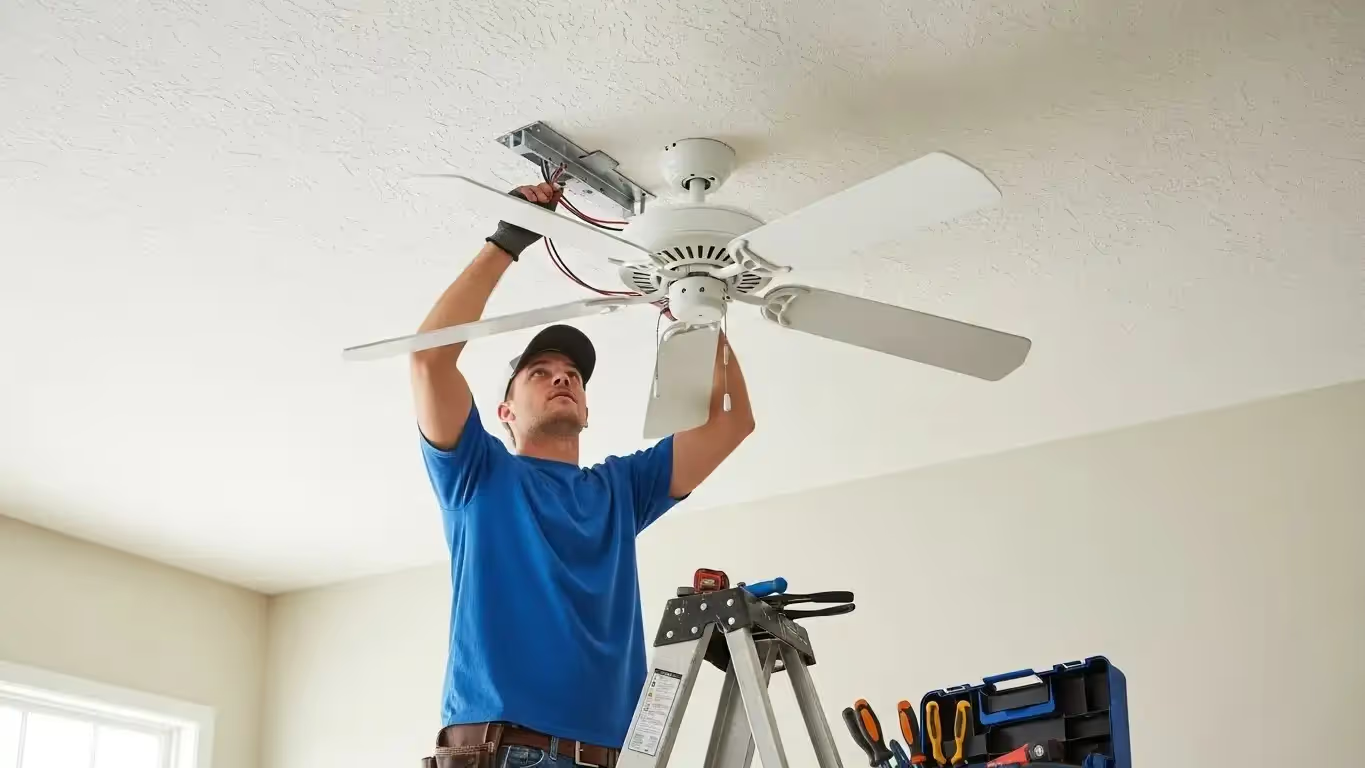
Assessment of Electrical Infrastructure
Before a fan is mounted, the existing electrical box must be evaluated. Standard light fixture boxes are generally not rated to support the weight and vibration of a ceiling fan:
- Technicians verify if the current junction box is fan-rated (typically able to support 35 to 70 pounds).
- If the box is insufficient, it is replaced with a heavy-duty brace and box designed specifically for ceiling fans.
- Wiring is inspected to ensure it can handle the load without overheating or causing voltage drops.
Assembly and Mounting
The physical assembly of the fan involves more than just following a manual. It requires precise alignment to prevent future wobbling or noise:
- Motor housings are secured to the mounting bracket with redundant safety measures.
- Blades are attached using torque-verified tightness to ensure they remain secure during high-speed operation.
- Downrods are selected based on ceiling height to ensure optimal airflow (fans should ideally hang 8 to 9 feet above the floor).
Wiring and Controls configuration
Modern fans often come with remote controls, wall switches, or smart home integration:
- Technicians configure wall switches to operate lights and fan speeds independently if the home’s wiring permits (requires a three-wire run).
- Receiver units for remote controls are wired directly into the canopy to ensure seamless communication.
- Smart fans are tested for connectivity to ensure they respond to app controls or voice assistants.
Our Ceiling Fan Installation Process: From Start to Finish
Understanding the workflow helps homeowners prepare for the service and ensures there are no surprises on the day of installation. The goal is to provide a turnkey solution where the workspace is left cleaner than it was found, and the new unit is ready for immediate use:
- Site Inspection and Preparation: The process begins with protecting the work area. Drop cloths are placed over furniture and flooring to catch any dust or drywall debris. The technician confirms the power is off at the breaker panel to ensure electrical safety. The existing fixture is removed, and the ceiling condition is inspected for any water damage or structural weakness that could affect the installation.
- Structural Support Reinforcement: If the location does not have a fan-rated box, the technician will install a retrofit support brace. This bar expands between two ceiling joists, providing a solid anchor point that transfers the weight of the fan to the structural frame of the house rather than the drywall. This step is critical for preventing the fan from falling or sagging over time.
- Electrical Connection and Hanging: The mounting bracket is screwed into the fan-rated box. The motor assembly is lifted and hooked onto the bracket, allowing the technician to use both hands for wiring. Wire nuts are used to securely connect the line, neutral, and ground wires. If a light kit is included, the blue wire (typically for lights) is connected to the appropriate switch leg.
- Blade Installation and Balancing: Once the motor is wired and the housing covers are in place, the blades are attached. Even high-end fans can have minor weight discrepancies in the blades. The technician runs the fan at the highest speed to check for wobble. If a wobble is detected, balancing clips are used to equalize the weight distribution, ensuring smooth, silent operation.
- Final Functionality Test: The power is restored, and the fan is cycled through all speeds. The reverse function is tested, and the light kit is checked for flicker-free operation. The technician demonstrates how to use the remote or wall control and provides instructions on maintenance.
Deciding Between Repair and Replacement: A Quick Guide
High-quality ceiling fans are built to last, but they are mechanical devices that eventually wear out. Knowing when to invest in a repair versus a complete replacement can save money and improve comfort. In many cases, older fans in Fair Oaks Ranch homes may use outdated motor technology that consumes more electricity and moves less air than modern counterparts:
When Repair Makes Sense
- Simple Capacitor Failure: If the fan hums but does not spin, or only runs on one speed, it is often a bad capacitor. This is a relatively inexpensive part to swap out.
- Switch Issues: A broken pull chain or a faulty wall switch is a minor electrical fix that does not require replacing the entire unit.
- Loose Connections: If the fan works intermittently, it may simply need the wire connections in the canopy tightened.
When Replacement is the Better Option
- Motor Burnout: If the motor has seized or emits a burning smell, the cost of a replacement motor usually exceeds the cost of a new, modern fan.
- Excessive Noise: Grinding, clicking, or mechanical humming that persists after balancing usually indicates internal bearing failure. These bearings are rarely serviceable in residential fans.
- Poor Air Movement: Older fans may have shallow blade pitches (less than 12 degrees). Modern fans are designed with steeper pitches and better motors to move significantly more cubic feet of air per minute (CFM) while using less energy.
- Outdated Aesthetics: If the fan looks dated or does not match a newly renovated room, replacement offers an immediate visual upgrade.
- Wobbling Despite Balancing: If a fan continues to wobble aggressively despite professional balancing efforts, it may have a bent motor shaft or warped blade irons, signaling the need for disposal.
Local Guidelines and Seasonal Tips for Ceiling Fan Installations
Operating a home in Fair Oaks Ranch presents specific climate challenges. The region experiences hot summers and variable springs, making the proper setup of air circulation devices critical for maintaining a manageable utility bill:
Permitting and Electrical Codes
Electrical work, including the installation of new circuits for ceiling fans, is governed by the National Electrical Code (NEC) and local municipal amendments.
- Support Requirements: Local codes strictly enforce the use of UL-listed, fan-rated boxes for any fixture weighing more than 35 pounds or any fixture equipped with a moving motor.
- Ceiling Height Rules: Fans must be installed so that the blades are no lower than 7 feet above the floor to prevent injury. For ceilings higher than 9 feet, downrods are required to lower the fan to an effective cooling height.
- Outdoor Ratings: For fans installed on porches or patios—popular features in Texas homes—the unit must be "Damp Rated" (for covered patios) or "Wet Rated" (for areas exposed to direct rain). Installing an indoor-rated fan outdoors creates a fire hazard and voids the warranty.
Optimizing for Texas Seasons
- Summer Settings: During the intense summer heat, fans should be set to rotate counter-clockwise. This creates a downdraft that generates a wind-chill effect on your skin, allowing you to set your thermostat a few degrees higher without sacrificing comfort.
- Winter Usage: In the cooler months, switch the fan to rotate clockwise at a low speed. This creates an updraft that pulls cool air up and pushes warm air (which rises to the ceiling) out toward the walls and down to the floor. This thermal destratification helps reduce heating costs.
Why Choose Us? Licenses, Testimonials, and Our Service Commitment
Selecting a service provider goes beyond finding the lowest price; it is about ensuring the safety of your home and the longevity of your investment. Electrical work carries inherent risks, and improper installation can lead to short circuits, fires, or physical injury from falling fixtures.
Professional Licensing and Insurance
We operate with full licensure, meaning every technician has undergone rigorous training and understands the complexities of residential electrical systems. Insurance coverage protects the homeowner from liability in the rare event of an accident during installation. This level of professional accountability is not available with handyman services or amateur installers.
Safety-First Approach
Our protocols prioritize safety above all else. Technicians double-check voltage readings, ensure ground wires are properly bonded, and verify structural integrity before hanging any weight. We do not cut corners on mounting hardware or wire termination.
Clean and Courteous Service
We respect your property. Technicians wear boot covers, use drop cloths, and clean up all packaging materials and wire clippings before leaving. The old fan can be removed and disposed of properly, leaving you with nothing to do but enjoy the cool air.
Warranty and Reliability
Professional installation comes with the assurance that the job is done right. If an issue arises related to the installation workmanship, it is addressed promptly. This warranty provides confidence that your new fan will operate safely and quietly for years to come.
Schedule Your Service Now
Whether you are updating a single room or outfitting an entire new build, expert installation ensures that your ceiling fans deliver maximum comfort and efficiency. Proper airflow transforms how a home feels, making summers more bearable and winters more efficient. Don't settle for wobbling fans or noisy motors. Ready to upgrade your home’s comfort and efficiency? Contact ReliaBee Air, Electric, & Plumbing today to schedule your professional ceiling fan installation.

Current Offers for
San Antonio Homeowners
Free Plumbing Safety Check


$59 AC Tune-Up
5% OFF FOR SENIORS
5% OFF FOR VETERANS & FIRST RESPONDERS

5% OFF FOR EDUCATORS


What Your Neighbors Are Saying