Heating Installation in Shavano Park, TX

Need Expert Heating Installation Now?
Facing uneven heating or a complete system breakdown in your home? Don’t sweat it—help is just a call away. Contact us today to schedule your consultation or discuss financing options.
Homeowners in Shavano Park, TX know that while winters here are generally mild, a functioning heating system is non-negotiable when temperatures drop unexpectedly. Whether you are building a new home or replacing an aging unit, securing a reliable heating source is essential for safety and comfort. ReliaBee Air, Electric, & Plumbing provides streamlined, professional installation services designed to get your heat running efficiently without delay.
- Get same-day installation services for most heating systems.
- Ensure year-round comfort with top-tier, energy-efficient heaters.
- Experience seamless installation backed by a comprehensive warranty.
Fully licensed and adhering to local codes, with flexible financing options available.
What Professional Heating Installation Includes
Investing in a new heating system involves more than just swapping out a box. A comprehensive installation service focuses on maximizing energy efficiency, ensuring airflow balance, and integrating the new unit seamlessly into your existing infrastructure. Modern heating technology has advanced significantly, offering higher AFUE (Annual Fuel Utilization Efficiency) ratings that translate directly to lower utility bills.
When you book a professional installation, the service covers the entire lifecycle of the project. This begins with a technical assessment of the home’s heating load and ends with a fully operational system that has been tested for safety and performance. The goal is to provide a turnkey solution where the homeowner does not need to worry about disposal of old equipment, acquisition of necessary components, or compatibility issues with smart thermostats and zoning systems.
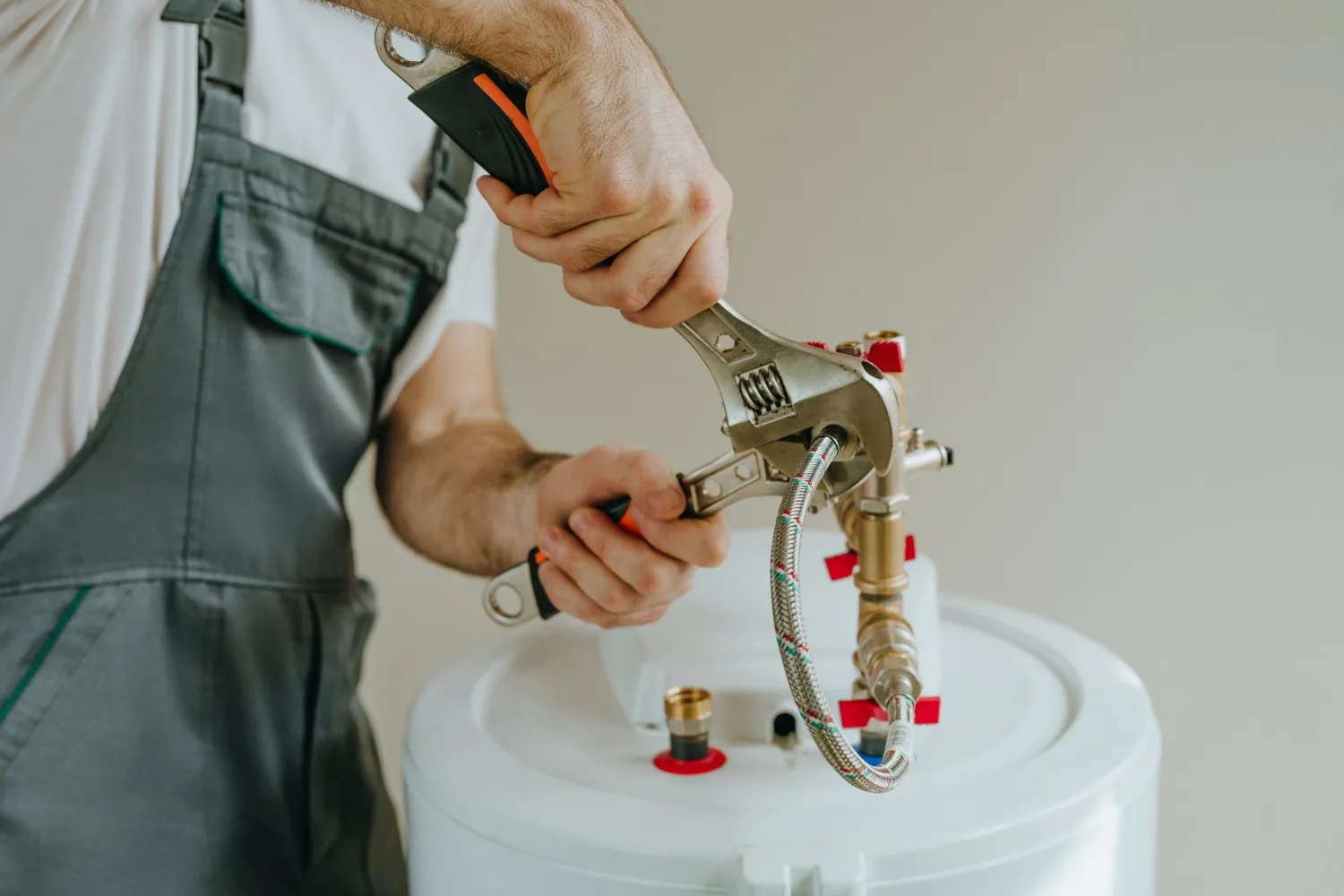
Types of Systems Installed
Technicians handle various heating configurations suited for the local climate.
- Heat Pumps: These are highly efficient for regions with mild winters, as they move heat rather than generate it. They provide both heating and cooling, making them a versatile choice for year-round climate control.
- Gas Furnaces: For homes with natural gas lines, high-efficiency furnaces provide powerful, consistent heat that can combat even the coldest snaps quickly.
- Electric Air Handlers: Common in areas where gas is not available, these systems use electric resistance strips to generate warmth and are often paired with heat pumps for auxiliary heating.
- Ductless Mini-Splits: Ideal for additions, garages, or homes without ductwork, these units offer zoned heating control to eliminate energy waste in unoccupied rooms.
The Scope of Service
A complete installation package includes several critical components ensuring the system operates at peak performance from day one.
- Equipment Sizing: Technicians perform calculations to ensure the unit is neither too large (which causes short-cycling) nor too small (which runs continuously without reaching the set temperature).
- Ductwork Inspection: Existing ducts are checked for leaks or disconnects that could compromise the efficiency of the new heater.
- Thermostat Integration: The new heater is connected to existing or new controls, ensuring proper communication between the thermostat and the HVAC unit.
- Debris Removal: The service includes the disconnection and eco-friendly disposal of the old heating unit.
The Installation Process Step-by-Step
Understanding the timeline and workflow of a heating installation helps homeowners prepare for the appointment. The process is designed to be minimally invasive while adhering to strict safety standards. Professionals work efficiently to minimize downtime, ensuring the home returns to a comfortable temperature as quickly as possible.
- Site Evaluation and Sizing: First, the installation team conducts a Manual J load calculation. This engineering calculation considers the square footage, insulation levels, window types, and orientation of the home to determine the exact heating capacity required in BTUs.
- Protection of Property: Next, technicians lay down drop cloths and wear protective shoe covers to ensure flooring and furniture remain clean throughout the process. The workspace is cleared to allow safe access to the mechanical closet, attic, or basement.
- Safe Disconnection: The team shuts off gas and electrical supplies to the existing unit. The old equipment is carefully disconnected from the plenum and flue pipes. Refrigerant is recovered from heat pump systems according to EPA regulations.
- Equipment Placement: The new unit is positioned and leveled. Proper leveling is crucial for the drainage of condensate and the quiet operation of internal components.
- Connections and Fabrication: Technicians connect the gas lines, high-voltage electrical wiring, and low-voltage control wiring. If the new unit has different dimensions than the old one, a custom transition plenum is fabricated on-site to ensure an airtight seal with existing ductwork.
- Venting and Safety Checks: For gas furnaces, the flue pipe is inspected and reconnected to ensure carbon monoxide is safely vented outside. Safety switches and limiters are tested to verify they function correctly.
- System Startup and Commissioning: The system is powered on and allowed to run through a full cycle. Technicians measure static pressure, temperature rise, and gas pressure to verify the unit is operating within the manufacturer’s specifications.
- Final Walkthrough: Finally, the technician demonstrates how to operate the new system, change the filter, and program the thermostat.
Deciding When to Replace vs. Repair
Determining whether to invest in a repair or commit to a full system replacement is a common dilemma. While repairs can solve immediate issues, there is a tipping point where a new installation becomes the more financially sound decision.
The 50% Rule
Industry experts often refer to the "50% Rule" when guiding homeowners. If the cost of a necessary repair approaches or exceeds 50% of the value of a new system, replacement is generally the better option. Putting significant money into an old system does not reset its age; it merely fixes one component while others remain prone to failure.
Age of the Unit
Heating systems have a finite lifespan. Gas furnaces typically last 15 to 20 years, while heat pumps generally last 10 to 15 years due to their year-round usage. If a unit in Shavano Park is approaching the end of this window, a major breakdown often signals the end of its useful life. Continuing to repair a unit in this age bracket often leads to "throwing good money after bad."
Frequency of Breakdowns
Reliability is a key factor. If a heating system requires multiple service calls in a single season, it is becoming unreliable. The cumulative cost of minor repairs—service call fees, parts, and labor—can quickly equal the monthly payments for a new, warranty-backed installation.
Rising Energy Bills
As heating systems age, they lose efficiency due to wear and tear on motors, heat exchangers, and compressors. If utility bills have been steadily climbing despite normal usage, the system is likely working harder to produce the same amount of heat. Upgrading to a modern, high-efficiency unit can significantly reduce monthly energy costs, helping the new system pay for itself over time.
Navigating Local Requirements and Climate Factors
Installing a heater requires adherence to specific building codes and an understanding of the regional climate. In this area, the climate presents unique challenges that influence installation practices.
Regional Climate Considerations
The local weather features hot summers and mild winters, but high humidity and occasional freezing temperatures dictate specific equipment needs.
- Humidity Control: Because the region experiences high humidity, systems must be calibrated to handle moisture effectively. Heat pumps are particularly effective here, but they must be correctly sized to dehumidify the air while heating or cooling.
- Heat Strips for Freezes: While freezing temperatures are rare, they do happen. For heat pump installations, technicians ensure that auxiliary electric heat strips are installed and functioning to provide emergency heat during sub-freezing weather when the heat pump alone may struggle.
- Insulation Efficiency: Technicians assess attic insulation during installation. In this climate, proper insulation prevents heat loss in winter and heat gain in summer, maximizing the efficiency of the new installation.
Permits and Inspections
Professional installation always involves navigating the regulatory landscape.
- Permit Acquisition: Licensed contractors handle the application for all necessary municipal permits required for HVAC replacement. This ensures the work is logged with the local building department.
- Code Compliance: Installations must meet current safety codes, which may differ from when the original unit was installed. This includes requirements for sediment traps on gas lines, specific electrical disconnect distances, and clearance modifications.
- Third-Party Inspection: In many jurisdictions, a permitted installation triggers a third-party inspection. This provides the homeowner with peace of mind that the work was done correctly and safely.
Why Technical Expertise Matters
Selecting the right team for heating installation is just as important as selecting the brand of the equipment. The quality of the installation dictates 70% to 80% of the system's efficiency and longevity. ReliaBee Air, Electric, & Plumbing focuses on precision and adherence to manufacturer guidelines to ensure every unit performs as rated.
Accurate Load Calculations
Guesswork has no place in HVAC installation. Installing a unit based solely on the size of the previous unit is a common error. Home renovations, window upgrades, or changes in insulation affect the heating load. Professionals perform a fresh Manual J calculation to guarantee the new system fits the current needs of the home perfectly.
Airflow and Static Pressure
A high-efficiency heater cannot perform if it is "suffocated" by poor airflow. Technicians measure static pressure within the ductwork to ensure the blower motor can move air freely. High static pressure forces the motor to work harder, leading to premature failure and noise issues. Adjustments to the plenum or ductwork are made during installation to correct these issues.
Warranty Preservation
Manufacturers offer robust warranties on parts, often ranging from 10 years to lifetime coverage on heat exchangers. However, these warranties are contingent on professional installation and registration. Certified installers ensure that all paperwork is filed correctly and that the installation adheres to the specific protocols required to keep the warranty valid.
Safety Protocols
Heating systems involve combustible gases, high-voltage electricity, and carbon monoxide exhaust. Professionals follow rigorous safety checklists to prevent leaks, electrical hazards, and ventilation issues. This includes pressure-testing gas lines and verifying the integrity of the flue system to protect the household from hazardous fumes.
Improving Indoor Air Quality
A new heating installation is an excellent opportunity to address indoor air quality (IAQ). Older systems often accumulate dust, mold spores, and allergens within the cabinet and blower wheel.
- Filtration Upgrades: Modern installations can accommodate thicker, high-efficiency media filters (such as MERV 10-16) that capture smaller particles than standard one-inch fiberglass filters.
- System Sealing: New units are sealed tightly to the return and supply plenums, reducing the infiltration of dust from attics or crawl spaces into the breathing air.
- Humidity Management: By installing equipment with variable-speed blowers, the system can run at lower speeds for longer periods, providing better filtration and consistent humidity control without the noise and drafts associated with single-stage motors.
Post-Installation Support and Maintenance
The relationship with the service provider does not end when the installation is complete. A new heating system requires routine care to maintain its efficiency and warranty status.
- Seasonal Maintenance: Manufacturers recommend annual inspections to clean burners, check heat exchangers, and tighten electrical connections.
- Filter Changes: Homeowners are advised on the correct filter size and replacement schedule for their specific unit.
- Priority Service: Many professional installers offer service agreements that provide priority scheduling and discounts on future repairs, ensuring the investment remains protected for the long haul.
Choosing the right partner for your heating needs ensures that your home remains a sanctuary against the cold, regardless of how unpredictable the weather becomes. With expert guidance, precise sizing, and flawless execution, a new heating system provides comfort, safety, and energy savings for years to come.
Ready to upgrade your home comfort with a reliable heating system? Call ReliaBee Air, Electric, & Plumbing now to secure your installation.
Installations Backed by Technical Accuracy and Compliance
Improper installation shortens equipment life and increases costs. ReliaBee Air, Electric, & Plumbing provides professional heating installation in Shavano Park, TX, with systems sized for your space, installed to code, and tested for full output. Every install includes airflow balancing, safety checks, and full documentation to protect your investment.
Choose Heating Installation That’s Built for Long-Term Efficiency

Current Offers for
San Antonio Homeowners
Free Plumbing Safety Check


$59 AC Tune-Up
5% OFF FOR SENIORS
5% OFF FOR VETERANS & FIRST RESPONDERS
5% OFF FOR EDUCATORS


What Your Neighbors Are Saying