Heating Repair in Shavano Park, TX

Inconsistent Heat or Total Failure Requires Immediate Action
If your heater quits on a chilly winter night in Shavano Park, immediate help is essential, as waiting for business hours isn't always an option when indoor temperatures drop rapidly. Get fast, reliable heating repair services that tackle the challenge head-on by contacting us for emergency dispatch or to inquire about financing options today.
A malfunctioning heating system disrupts your routine and compromises home comfort. Professional intervention ensures the root cause is identified and resolved without delay.
- Rapid response and diagnosis performed within hours of your service request.
- Experienced technicians arrive equipped for all standard repair needs to minimize downtime.
- 24/7 availability ensures you have support during late-night or weekend heating emergencies.
All services are fully licensed and compliant with local codes, ensuring peace of mind regarding safety and warranty adherence.
Comprehensive Diagnostics and Same-Day Restoration
When a heating system fails in Shavano Park, TX, the priority is restoring functionality immediately. The repair process begins with a systematic evaluation of the unit to determine exactly why the system is not producing heat or moving air. Modern HVAC systems, whether gas furnaces or electric heat pumps, rely on a complex series of electrical switches, sensors, and mechanical components. A failure in just one of these areas can shut down the entire system.
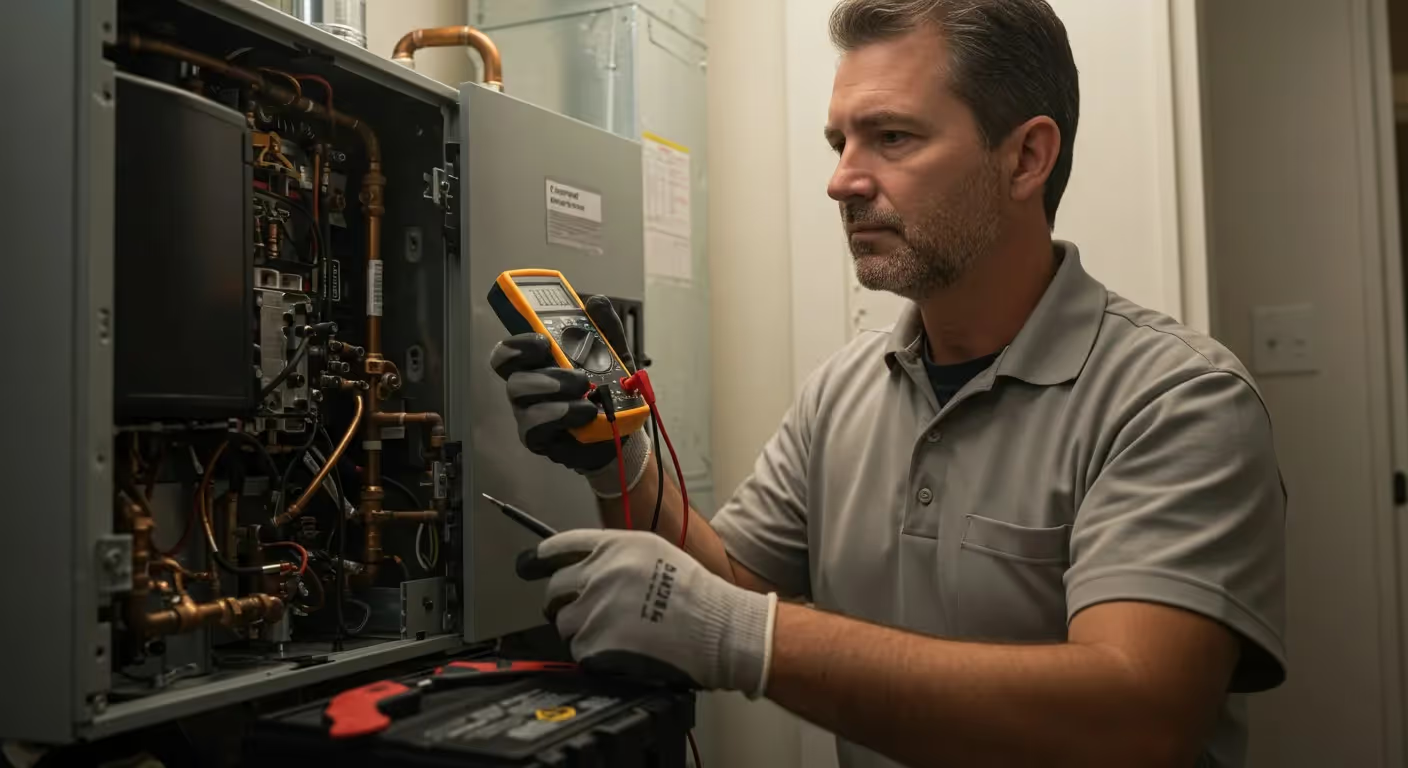
ReliaBee Air, Electric, & Plumbing focuses on accurate diagnostics to prevent recurring issues. Technicians do not guess; they use calibrated tools to measure voltage, gas pressure, and airflow. This data-driven approach allows for precise identification of the fault, whether it is a failed ignition control, a cracked heat exchanger, or a refrigerant leak in a heat pump.
Homeowners receive a clear explanation of the problem immediately after the assessment. The goal is to perform repairs during the initial visit. Service trucks are stocked with universal parts such as capacitors, igniters, flame sensors, and control boards. By carrying the most frequently failed components, the need for follow-up visits is significantly reduced, ensuring your home returns to a comfortable temperature on the same day the issue is reported.
How the Repair and Inspection Process Works
Professional heating repair follows a strict protocol to ensure safety and efficiency. This structure protects the homeowner from unnecessary costs and ensures that the repair holds up against the variable Texas winter weather.
- Initial System Assessment: The technician cycles the system to observe its behavior. This involves checking the thermostat communication, listening for abnormal sounds, and smelling for gas or electrical burning odors.
- Component Isolation: Once the general issue is located, specific components are isolated and tested. For furnaces, this means checking the draft inducer motor, pressure switches, and burners. For heat pumps, this involves checking the reversing valve and compressor.
- Clear Reporting: You are presented with the findings. The technician explains what failed, why it failed, and the specific cost to fix it. There are no hidden fees or open-ended hourly billing structures; the scope is defined before work begins.
- Execution of Repair: The faulty component is removed and replaced. Wiring is inspected for brittleness or loose connections, and safety switches are verified for proper operation.
- System Testing and Validation: After the repair, the system is not just turned on; it is tested for a full cycle. The technician measures the temperature split (the difference between air entering and leaving the system) to verify that the unit is heating within manufacturer specifications.
- Site Cleanup: The workspace is left clean, with old parts and debris removed from the property.
Determining When to Repair vs. Replace
One of the most critical decisions a homeowner faces is whether to invest in a repair or opt for a full system replacement. This decision should be based on data and financial logic rather than immediate pressure. In Shavano Park, where systems run heavily during summer but sporadically in winter, age and efficiency are key factors.
Reliable service providers use specific metrics to guide this recommendation:
- The 50% Rule: If the cost of the repair approaches or exceeds 50% of the value of a new system, replacement is generally the smarter financial move. Investing heavy capital into a degrading asset often leads to diminishing returns.
- System Age: The average lifespan of a furnace or heat pump is typically between 12 and 15 years. If your unit is over 12 years old and requires a major component like a compressor or heat exchanger, replacement is often advised to avoid throwing good money after bad.
- Frequency of Breakdowns: If the system has required multiple repairs in the last two seasons, it indicates that the internal components are failing in succession. A new system eliminates the cycle of constant service calls.
- Efficiency Ratings: Older units often operate at 60% to 70% AFUE (Annual Fuel Utilization Efficiency). Modern systems are required to be much higher. Upgrading can sometimes offset the monthly cost through utility savings, especially if the current unit is short-cycling or struggling to maintain temperature.
Navigating Local Climate and Compliance Factors
Operating a heating system in Shavano Park, TX, presents unique challenges due to the regional climate. While winters are generally mild compared to northern states, the region experiences sharp cold fronts where temperatures drop significantly overnight. This drastic shift puts stress on heating elements and heat exchangers that may have sat dormant for months.
- Humidity Management: The humid subtropical climate means moisture is always a factor. Even in winter, humidity levels can affect how a heat pump operates, specifically regarding the defrost cycle. Technicians must calibrate systems to handle these moisture levels to prevent coil freezing and ensure efficient heat transfer.
- Code Compliance: San Antonio and surrounding areas have strict building codes regarding HVAC installations and repairs, particularly those involving gas lines and electrical high voltage. Any repair involving gas piping or significant electrical alteration requires strict adherence to safety standards to prevent leaks or fire hazards.
- Carbon Monoxide Safety: Because many local homes utilize gas furnaces, carbon monoxide safety is paramount. Professional repairs always include a check of the heat exchanger for cracks and an inspection of the flue pipe for proper venting. Code dictates specific clearances and material types for venting to ensure combustion gases are safely expelled from the home.
- Permitting Requirements: For major repairs or replacements, local permits may be required. A professional service manages the administrative side of these requirements, ensuring that all work performed on your property is legal and documented for future home sales or insurance claims.
Common Heating Failures Resolved
Understanding what typically goes wrong helps homeowners recognize when to call for service. While some issues result in a total system shutdown, others manifest as performance drops or strange noises. Addressing these early can prevent catastrophic failure.
- Ignition Control Malfunctions: Modern furnaces do not use standing pilot lights; they use electronic ignition. Igniters are brittle and subject to thermal shock. When an igniter fails, the furnace will blow cold air because the burners never light. This is a common repair that is easily resolved with a part replacement.
- Thermostat Calibration Issues: Sometimes the heater is fine, but the "brain" of the system is confused. Miscalibrated thermostats or those with low batteries can cause the system to short-cycle (turn on and off rapidly) or fail to reach the set temperature.
- Clogged Airflow: A system starved of air will overheat. In furnaces, this triggers a high-limit switch that shuts the burners off as a safety precaution. In heat pumps, restricted airflow can cause the coils to freeze. Routine filter changes prevent this, but internal blockages require professional cleaning.
- Blower Motor Failure: The blower motor pushes the warm air through the ductwork. These motors endure significant wear and tear. If the motor capacitor fails or the bearings seize, air will not circulate, and the system may overheat.
- Refrigerant Leaks (Heat Pumps): Heat pumps heat the home by reversing the flow of refrigerant. If the system is low on refrigerant due to a leak, it cannot extract heat from the outside air effectively. This results in "lukewarm" air coming from the vents and the auxiliary heat strips running constantly, driving up electric bills.
The Risks of DIY Heating Repair
Attempting to repair a heating system without professional training poses significant risks. Modern HVAC equipment involves high-voltage electricity, combustible gases, and high-pressure refrigerants.
- Safety Hazards: A mishandled gas valve can lead to leaks, while improper wiring can cause electrical shorts or fires. Professionals carry the necessary licensing to handle these dangerous elements safely.
- Voiding Warranties: Most equipment manufacturers strictly require that repairs be performed by a licensed HVAC contractor. DIY attempts or repairs by unlicensed handymen often void the manufacturer's warranty, leaving the homeowner liable for the full cost of future parts.
- Misdiagnosis: Without the proper diagnostic tools, it is easy to replace the wrong part. For example, replacing a thermostat when the issue is actually a control board results in wasted money and continued discomfort.
- Insurance Implications: If an improperly repaired heater causes property damage, homeowner’s insurance may deny the claim if there is no proof that the work was performed by a licensed professional.
Why Specialized Diagnostics Matter
The difference between a quick patch and a lasting solution lies in the diagnostic process. ReliaBee Air, Electric, & Plumbing utilizes advanced diagnostic protocols to look beyond the immediate symptom. For instance, if a blower motor burns out, simply replacing the motor doesn't solve the problem if the ductwork is undersized or the static pressure is too high. The new motor will simply burn out again in a few months.
True service involves checking the system as a whole. This includes inspecting ductwork for leaks which can cause negative pressure, pulling in dust and allergens. It involves checking the insulation on refrigerant lines and verifying that gas pressure is set to the manufacturer's exact water column inches. This level of detail ensures that once the heat is restored, it operates efficiently and reliably for the rest of the season.
Seasonal Maintenance to Prevent Emergency Calls
While repairs tackle immediate failures, the most effective way to manage heating costs in Shavano Park is through proactive maintenance. The transition from cooling to heating season is the ideal time to inspect the system.
- Safety Inspection: Verifying that all safety interlocks are functioning correctly protects the home and family.
- Cleaning and Tuning: Cleaning the burners, flame sensors, and blower wheels improves efficiency. A clean system transfers heat more effectively, using less energy to warm the home.
- Electrical Connection Tightening: Vibrations from normal operation loosen electrical connections over time. Tightening these prevents arcing and component failure.
- Filter and Airflow Checks: Ensuring unrestricted airflow reduces strain on the blower motor and compressor, extending the life of the equipment.
Homeowners who invest in regular checks often avoid the "no heat" emergency calls during the first freeze of the year. It allows for the identification of weak components before they fail under the stress of a cold night.
Restore Comfort to Your Home
When your heating system fails, the safety and comfort of your home are at risk. You need a partner who understands the local climate, adheres to strict safety codes, and provides transparent, lasting solutions. From minor component replacements to complex system diagnostics, the goal is always to restore warmth efficiently and professionally.
Do not let a broken heater compromise your comfort or safety this winter. Secure a professional assessment and get your system running at peak performance. Contact us now to schedule your repair service.

Current Offers for
San Antonio Homeowners
Free Plumbing Safety Check


$59 AC Tune-Up
5% OFF FOR SENIORS
5% OFF FOR VETERANS & FIRST RESPONDERS
5% OFF FOR EDUCATORS


What Your Neighbors Are Saying