Heating Repair in Helotes, TX

Restore Comfort Rapidly When Your Heating System Fails
When your heating system fails, especially during a chilly winter night in Helotes, immediate help becomes critical to protecting your home and family. ReliaBee Air, Electric, & Plumbing technicians are ready to deliver rapid, effective solutions to restore warmth to your living space. Contact us today or apply for financing to get your system running immediately.
A broken heater is more than an inconvenience; it can pose safety risks and cause significant disruption to your daily life. Our team prioritizes accurate diagnostics and swift repairs to minimize downtime. We provide:
- Immediate response times to address urgent heating failures.
- Comprehensive emergency services to ensure you are never left in the cold.
- Expert repairs designed to extend the lifespan of your current heating equipment.
- Fully licensed services backed by satisfaction guarantees and flexible financing options.
Comprehensive Diagnostics and Immediate Repair Protocols
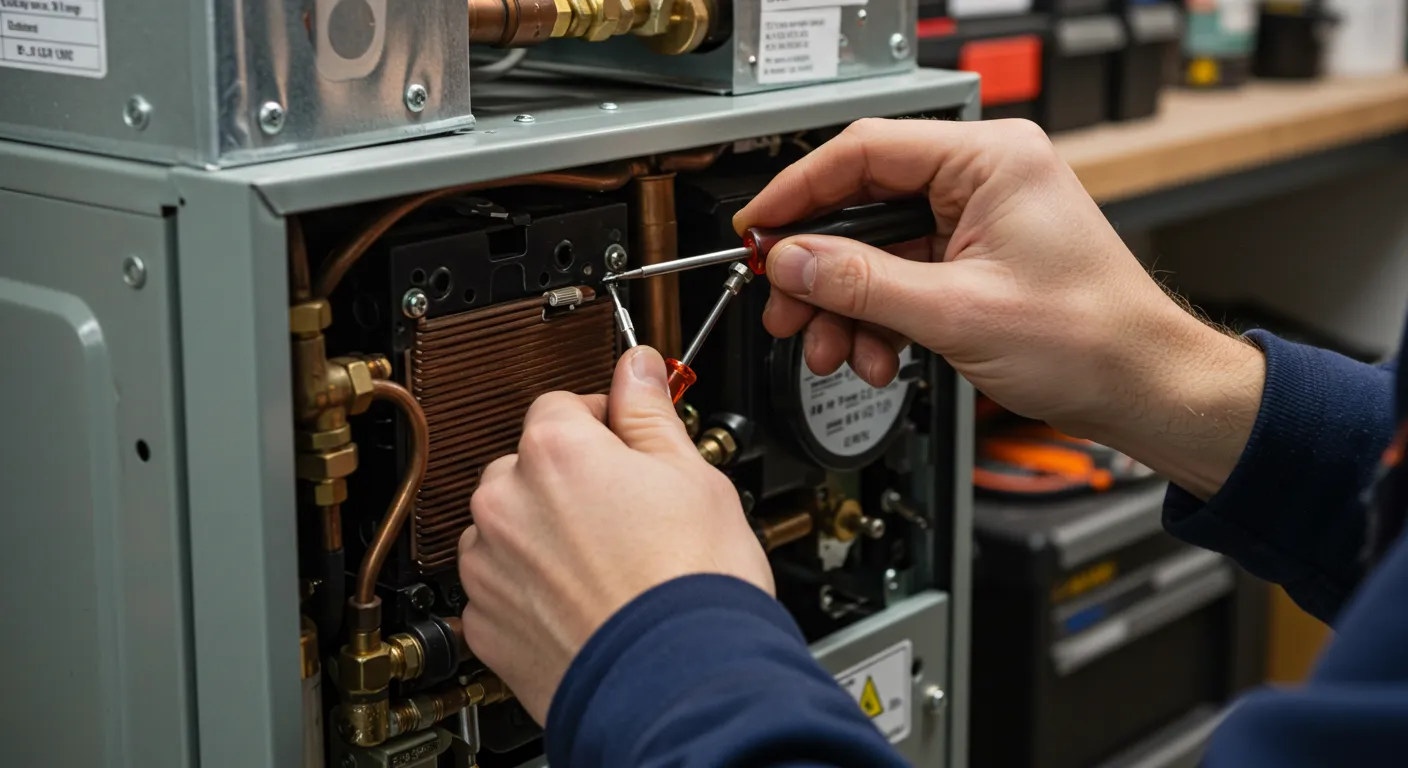
When a technician arrives at your property, the primary goal is to identify the root cause of the malfunction rather than just treating the symptom. Heating systems are complex networks of electrical components, fuel sources, and airflow mechanisms. A failure in one area can trigger a shutdown in another. The diagnostic process begins with a thorough evaluation of the thermostat communication. Often, the issue lies in the signal transfer between the control unit and the furnace or heat pump. If the thermostat is functioning correctly, the technician moves to the internal components of the heating unit.
For gas furnaces, the inspection focuses heavily on the ignition sequence. This involves checking the pilot light or electronic igniter, the flame sensor, and the gas valve. If the system attempts to start but shuts down immediately, a dirty flame sensor is a common culprit. However, if there is no sound or attempt to ignite, the issue may be electrical, involving the control board or a blown fuse. Technicians also inspect the heat exchanger for cracks. This is a critical safety step, as a cracked heat exchanger can leak carbon monoxide into the home.
For heat pumps, which are common in this region, the diagnostic approach differs. The technician evaluates the refrigerant levels and the condition of the reversing valve. If a heat pump runs but blows cold air, the reversing valve may be stuck in cooling mode, or the auxiliary heat strips may have failed to engage. The defrost control board is also tested to ensure the unit can handle frost accumulation on the outdoor coil during colder nights.
Electrical integrity is verified across all system types. Loose connections, frayed wires, or capacitor failures can prevent motors from starting or cause intermittent operation. We measure the amperage and voltage going to the blower motor and the inducer motor to ensure they are operating within manufacturer specifications. By meticulously testing each component, we ensure that the repair addresses the actual failure, preventing callbacks and recurring issues.
Addressing Specific Heating System Noises and Smells
Homeowners often notice a problem through auditory or olfactory cues before the system completely shuts down. Identifying these signs early can prevent catastrophic failure. Our technicians are trained to interpret these signals to locate the damage quickly.
- Banging or Booming: This sound often occurs when the furnace burners ignite. It indicates a delayed ignition where gas builds up in the combustion chamber before the spark catches it. This small explosion can crack the heat exchanger over time and requires immediate adjustment of the burners or cleaning of the ignition sensors.
- Squealing or Screeching: Continuous high-pitched noises usually point to a belt issue or a failing motor bearing. If the blower motor belt is loose or worn, it will slip and squeal. If the sound is metallic and grinding, the motor bearings have likely lost lubrication and are grinding metal-on-metal. This requires motor replacement or lubrication service.
- Rattling: Loose panels or screws often cause rattling, but it can also indicate a cracked heat exchanger or a blower wheel that has become unbalanced. An unbalanced blower wheel can vibrate violently, damaging the motor mount and causing extensive damage to the housing.
- Burning Smell: A burning smell is common when a heater is turned on for the first time in the season, as dust burns off the heating elements. However, if the smell persists or smells like burning plastic or rubber, it indicates an electrical short or a melting wire. This is an urgent fire hazard that requires immediate system shutdown and professional repair.
- Rotten Egg Smell: This is the distinct scent of mercaptan, the additive in natural gas. If this smell is present, it indicates a gas leak. This is an emergency situation requiring you to evacuate the home and contact professional services immediately to locate and seal the leak.
The Systematic Repair and Parts Replacement Process
Once the diagnostic phase is complete and the issue is identified, the repair process follows a strict protocol to ensure safety and efficiency. We believe in transparency, explaining exactly what needs to be done before any work begins.
- Isolation and Safety: First, the technician cuts power to the unit at the disconnect box and turns off the gas supply if applicable. This ensures the environment is safe for mechanical work.
- Component Removal: Next, the faulty component is carefully removed. Whether it is a burnt-out blower motor, a faulty control board, or a damaged igniter, care is taken not to damage surrounding wiring or mounting brackets.
- Part Verification: We verify that the replacement part matches the exact specifications of the original equipment manufacturer (OEM). Using universal parts can sometimes lead to efficiency losses or compatibility issues, so exact matches are prioritized.
- Installation and Calibration: The new component is installed and secured. For electrical parts, connections are tightened and insulated. For gas parts, connections are sealed and tested for leaks using a digital detector or bubble solution.
- System Testing: Finally, the power and gas are restored, and the system is cycled through a full heating run. The technician measures the temperature rise—the difference between the air temperature entering the return and the air leaving the supply vents—to ensure the system is generating the correct amount of heat.
Deciding Between Repair and System Replacement
There comes a point in every heating system's life when repair is no longer the most improved financial decision. Making the call between fixing the current unit or investing in a new one depends on several tangible factors. We help homeowners analyze the data to make an informed choice that benefits their long-term comfort and budget.
Age of the Equipment
Most gas furnaces last between 15 and 20 years, while heat pumps typically last 10 to 15 years. If your system is nearing the end of this expected lifespan and requires a major repair, replacement is often the smarter option. Investing heavily in an old system typically yields diminishing returns as other parts are likely to fail soon after.
Cost of Repair vs. Replacement Value
A common industry standard used is the "5,000 Rule." Multiply the age of the equipment by the estimated cost of the repair. If the total exceeds $5,000, replacement is generally recommended. For example, if a 12-year-old furnace requires a $500 repair (12 x 500 = 6,000), it is likely time to replace it. Conversely, if a 5-year-old unit needs a $300 repair (5 x 300 = 1,500), repair is the clear winner.
Frequency of Breakdowns
If you have required repairs more than twice in the last two years, the system is becoming unreliable. Frequent breakdowns result in accumulated costs that often exceed the price of a new, warrantied unit. Additionally, the stress of recurring failures during cold weather is a non-monetary cost to consider.
Energy Efficiency and Performance
Older systems often operate at 60% to 70% AFUE (Annual Fuel Utilization Efficiency), meaning 30 to 40 cents of every dollar spent on heating is wasted. Modern systems operate at 90% to 98% efficiency. If your energy bills have been steadily rising despite consistent usage, the internal wear on the system is likely causing efficiency drops that repairs cannot fully restore.
Safety Concerns
If the heat exchanger is cracked, replacement is the only safe option. While heat exchangers can technically be replaced, the cost is usually so high that it rivals the cost of a new furnace. Given the carbon monoxide risks associated with this failure, upgrading to a new, safe unit is the responsible choice.
Local Climate Factors and Regional Considerations
Operating a heating system in Helotes requires understanding the specific environmental challenges of the region. While winters are generally mild compared to northern states, the temperature can drop significantly, and the humidity plays a unique role in how your home feels.
Humidity and Perceived Cold
The area experiences higher humidity levels, which can make 40-degree weather feel much colder—a "damp cold" that penetrates the home. Your heating system must not only warm the air but also help manage indoor air quality. If a system is short-cycling (turning on and off too quickly), it fails to circulate air properly, leading to cold spots and clammy indoor conditions. Ensuring your heat pump or furnace runs full cycles is essential for combating this regional dampness.
The "Norther" Effect
Sudden cold fronts can cause temperatures to plunge rapidly. Your heating system sits idle for much of the year and then is forced to run at maximum capacity when these fronts hit. This sudden stress is when most breakdowns occur. We recommend scheduling maintenance or repairs early in the season, before the first freeze, to ensure the system can handle the sudden demand.
Permitting and Utilities
When performing major repairs or replacements in the area, adherence to local building codes is mandatory. This includes proper venting for gas furnaces and ensuring electrical connections meet safety standards. ReliaBee Air, Electric, & Plumbing handles all necessary compliance aspects, ensuring that work performed on your property aligns with local utility regulations and safety codes. This is particularly important for gas connections, where strict adherence to safety protocols is non-negotiable.
Why Professional Service Matters
Attempting DIY repairs on heating systems is dangerous and often voids manufacturer warranties. Modern HVAC equipment relies on sophisticated electronics and high-pressure gases that require specialized tools and training to handle safely. Professional technicians bring the expertise required to diagnose complex issues that look simple on the surface but have deep underlying causes.
Warranty Preservation
Most equipment manufacturers require proof of professional service to honor parts warranties. If a component fails under warranty but was installed by an unlicensed individual, the manufacturer may deny the claim. We ensure all paperwork and service records are maintained to protect your investment — schedule service today.
Safety Assurance
Combustion appliances involve fire and deadly gases. An improperly adjusted burner or a blocked flue pipe can lead to carbon monoxide poisoning or fire hazards. Professionals possess the testing equipment to verify draft pressure and combustion efficiency, ensuring the system is operating safely within the home.
Long-Term Reliability
A "quick fix" often ignores the systemic issue causing the problem. By addressing the root cause—such as airflow restrictions causing overheating—we prevent the problem from returning. This holistic approach to repair saves money over time by reducing the frequency of service calls and extending the total life of the system.
Restoring Warmth to Your Home
We understand that heating issues demand prompt and effective resolution. From the moment you detect a strange noise or feel a drop in temperature, the clock is ticking on your comfort. Our team is equipped to handle everything from minor electrical fixes to major component replacements for both furnaces and heat pumps. We focus on delivering results that last, ensuring your home remains a sanctuary against the cold.
Whether you are facing a complete system breakdown or a minor performance issue, timely intervention is key. Do not let a small rattle turn into a system failure. Trust the experts to provide the diagnostic precision and repair quality your home deserves. ReliaBee Air, Electric, & Plumbing is committed to keeping your environment comfortable regardless of the weather outside.
Don't wait for the temperature to drop further inside your home. Contact us to schedule your heating repair service now.

Current Offers for
San Antonio Homeowners
Free Plumbing Safety Check


$59 AC Tune-Up
5% OFF FOR SENIORS
5% OFF FOR VETERANS & FIRST RESPONDERS
5% OFF FOR EDUCATORS


What Your Neighbors Are Saying