HVAC Maintenance in Helotes, TX

Stay Cool and Comfortable in Helotes's Heat
Battling the Helotes heat can be tough without a reliable HVAC system. Ensure your cooling solution is up to the challenge with our expert service and maintenance. For immediate scheduling and system performance checks, contact us directly at tel: to book your appointment.
- Guaranteed same-day service to swiftly handle all your HVAC needs.
- Advanced diagnostics and maintenance that extend the lifespan of your system.
- Transparent pricing and no hidden fees, so you know exactly what you're paying for.
Backed by comprehensive warranties and streamlined permit handling for peace of mind.
Comprehensive HVAC Maintenance Checklist
Routine maintenance is not merely a quick glance at your thermostat; it is a rigorous, multi-point inspection designed to return your system to factory specifications. In the demanding climate of Helotes, where air conditioners run almost year-round, components wear down faster than in milder regions. A professional tune-up addresses the mechanical, electrical, and aesthetic aspects of your unit to ensure peak performance when you need it most.
When our technicians arrive, they perform a deep clean and calibration of the entire system. This includes inspecting the condenser coils for debris buildup which can restrict heat transfer and cause the system to overheat. We also check refrigerant levels to ensure the system is not undercharged, which is a common cause of frozen evaporator coils and reduced cooling capacity.
Electrical components are a major focus during a maintenance visit. Loose connections can lead to dangerous arcing or premature component failure. We tighten all electrical connections, measure voltage and amperage on motors, and inspect the condition of the contactor to prevent pitting. By addressing these minor electrical variances early, we prevent sudden breakdowns during a heatwave.
The following core components are serviced during a standard visit:
- Thermostat Calibration: ensuring the temperature reading on your wall matches the actual temperature in the home to prevent short-cycling.
- Air Filter Inspection: Checking and replacing standard filters to maintain proper airflow and indoor air quality.
- Blower Motor Assessment: Lubricating moving parts and checking the blower belt for signs of wear or cracking.
- Condensate Drain Cleaning: Flushing the drain line to prevent clogs that can lead to water damage and humidity issues inside the home.
- Safety Controls: Testing all limit switches and safety shut-offs to ensure the unit powers down correctly in the event of a malfunction.
The Systematic Maintenance Process
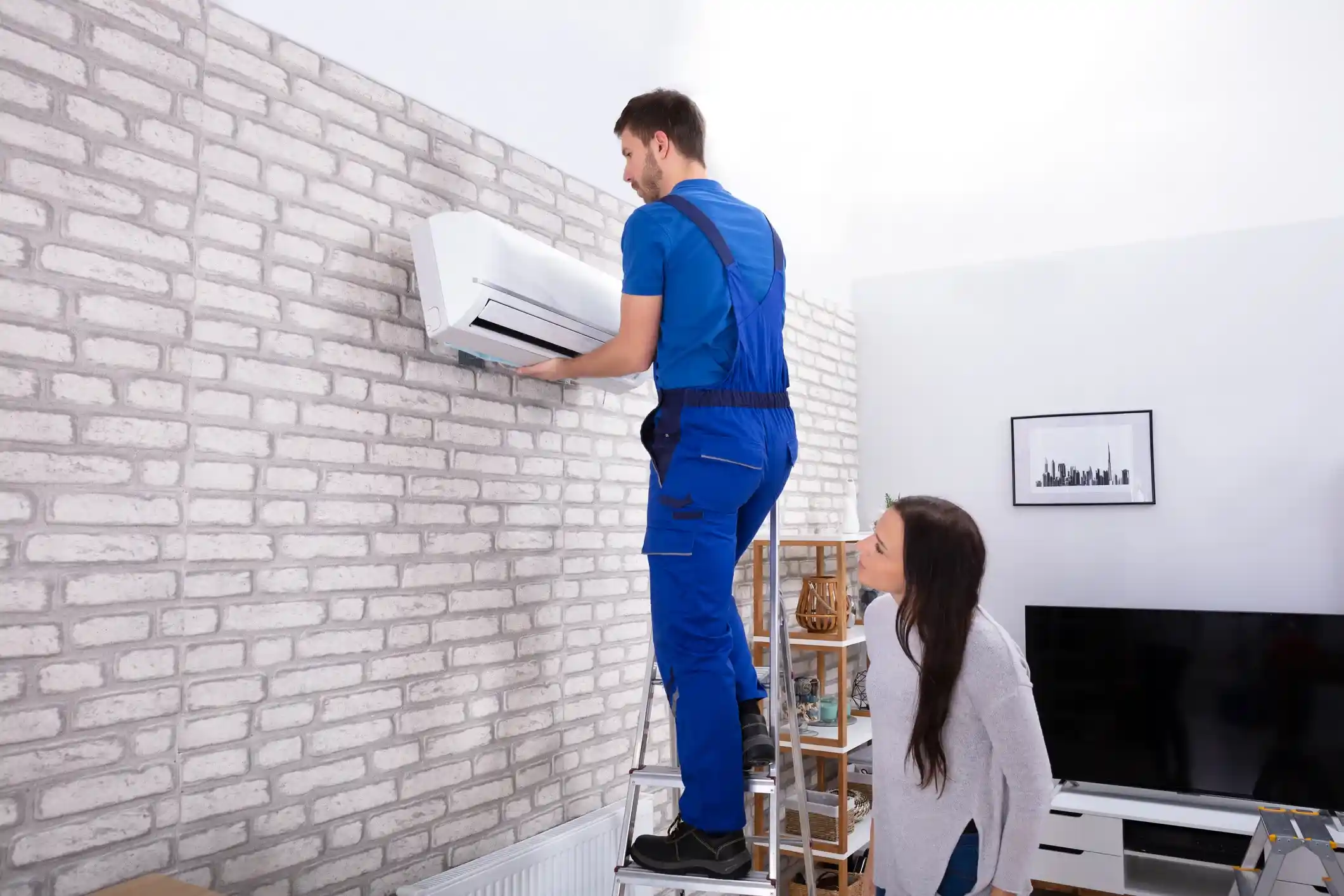
Understanding what happens during a service call helps homeowners see the value of preventative care. We follow a strict protocol to ensure no part of the system is overlooked. This process is designed to be efficient and thorough, minimizing disruption to your day while maximizing the effectiveness of the service.
The process begins with a visual inspection and a discussion about any specific comfort issues you have noticed, such as hot spots in certain rooms or unusual noises. This context helps the technician focus on potential trouble areas. Once the initial assessment is complete, the technician moves on to the hands-on diagnostic phase, using specialized gauges and meters to read the internal health of the system.
Following the diagnostics, the cleaning phase begins. This involves removing the cabinet panels to access the internal components. Debris such as leaves, dirt, and pollen is removed from the outdoor unit. Inside, the evaporator coil is inspected for mold or dust accumulation. This step is critical for efficiency; a clean coil absorbs heat much more effectively than a dirty one.
The final steps of the process involve testing and reporting:
- First, the technician restarts the system to monitor it through a full cooling cycle.
- Next, they measure the temperature drop across the evaporator coil to verify the system is cooling the air effectively.
- Then, they check the amp draw on the compressor and fan motors to ensure they are operating within the manufacturer’s specified range.
- Finally, a detailed report is provided, outlining the work performed and flagging any parts that are nearing the end of their lifespan, allowing you to plan for future repairs rather than reacting to emergencies.
Critical Decision Factors: Repair vs. Replace
One of the most valuable aspects of a maintenance visit is the professional assessment of your system’s longevity. There comes a point where continuing to repair and maintain an aging unit is no longer financially prudent. Understanding the metrics used to make this decision can save you thousands of dollars in the long run — view financing options.
Age is the primary indicator. In this region, air conditioners typically last between 10 to 15 years. If your system is approaching or exceeding this age range, major component failures—such as a compressor burnout—become statistically more likely. Investing in a costly repair for a system at the end of its life is often a poor return on investment compared to putting that money toward a modern, high-efficiency unit.
Frequency of breakdown is another major factor. If you find yourself calling for service multiple times a year, or if your repair costs over the last two years equate to half the cost of a new system, replacement is generally the smarter option. Modern systems also offer significantly better humidity control and energy efficiency ratings (SEER2), which can lower monthly utility bills immediately.
Consider replacement if you observe the following:
- Your system still uses R-22 refrigerant, which is phased out and incredibly expensive to replace if a leak occurs.
- Energy bills are rising steadily despite usage habits remaining the same, indicating a loss of internal efficiency.
- The system struggles to maintain the set temperature on days when the outdoor temperature exceeds 95 degrees.
- Excessive noise or vibration persists even after maintenance, suggesting severe internal wear.
Local Climate Considerations and System Impact
Operating an HVAC system in Helotes requires specific attention to environmental factors that differ from other parts of the country. The high humidity levels combined with intense summer heat create a substantial load on your cooling equipment. Your air conditioner does two jobs: it cools the air and it removes moisture. If maintenance is neglected, the system’s ability to dehumidify drops, leading to a clammy indoor environment and potential mold growth in ductwork.
Seasonality here also presents a "bi-polar" challenge for HVAC systems. While cooling is the priority for most of the year, winter brings occasional deep freezes. Heat pumps and gas furnaces that sit idle for months must be inspected before the first freeze to ensure safe operation. The "defrost mode" on heat pumps is particularly important in this region; if it fails during a freeze, the outdoor unit can ice over completely, damaging the fan blades and compressor.
Electrical infrastructure and local codes also play a role. During peak summer months, the strain on the local power grid can cause voltage fluctuations. Regular maintenance includes checking that your system’s capacitors and start kits are robust enough to handle these minor electrical instabilities without failing.
Local environmental factors to watch include:
- Pollen and Dust: The local flora produces significant pollen, which can clog condenser coils and filters rapidly, requiring more frequent checks than the national average.
- Hard Water: If your system utilizes a humidifier or certain types of condensate pumps, local hard water can cause mineral buildup that blocks flow and reduces efficiency.
- Pest Intrusion: The transition seasons often see pests seeking shelter inside outdoor condenser units, chewing through low-voltage wiring.
Differentiators in Professional Service
While some homeowners attempt basic filter changes themselves, comprehensive maintenance requires certification and specialized tools. ReliaBee Air, Electric, & Plumbing employs technicians who are trained to handle high-voltage electricity and pressurized refrigerants safely. Attempting DIY maintenance on these components can result in severe injury or irreversible damage to the unit.
Professional maintenance also ensures warranty compliance. Most HVAC manufacturers require proof of annual maintenance by a licensed professional to keep the warranty valid. If a major part fails and you cannot prove the system was maintained, the manufacturer may deny the claim, leaving you with the full cost of the repair.
Our approach goes beyond the checklist. We utilize advanced combustion analyzers for furnaces to detect carbon monoxide leaks that are invisible to the naked eye. For air conditioning, we use digital manifold gauges that provide precise pressure and temperature readings, allowing for adjustments within a fraction of a degree. This level of precision is impossible to achieve with standard consumer tools.
Key advantages of professional execution include:
- Refrigerant Handling: Certified handling of refrigerants prevents illegal venting and ensures the system charge is perfectly balanced for efficiency.
- Airflow Balancing: Technicians can identify ductwork leaks and airflow restrictions that cause uneven cooling in different rooms.
- Electrical Safety: Identification of frayed wires, loose terminals, and failing capacitors before they cause a fire hazard or system outage.
Troubleshooting Common Efficiency Issues
Recognizing the difference between a system that needs maintenance and a system that needs immediate repair is vital for homeowners. Maintenance is preventative; it is intended for a running system that needs optimization. However, certain symptoms indicate that a component has already failed or is operating outside safe parameters.
If you hear grinding, screeching, or clicking sounds, these are not resolved by a standard tune-up; they usually require part replacement. Similarly, strange odors—such as a burning smell or a musty "dirty sock" odor—indicate specific failures like a seized motor or bacterial growth on the coil.
Uneven cooling often points to ductwork issues or low refrigerant. While a maintenance visit includes checking refrigerant levels, a significant drop in pressure indicates a leak. A leak search and repair is a separate, more intensive process than a standard top-off. Understanding these distinctions helps set the right expectations for the service visit.
Watch for these signs that standard maintenance may need to escalate to repair:
- Ice forming on the refrigerant lines outside or on the indoor evaporator coil.
- The thermostat calling for cooling but the outdoor unit fan not spinning.
- Water pooling around the base of the furnace or indoor air handling unit.
- Short cycling, where the unit turns on and off every few minutes without reaching the target temperature — request repair services.
Final Thoughts on System Longevity
Protecting your investment in home comfort requires a proactive strategy. The cost of a breakdown—both in financial terms and lost comfort—far exceeds the investment in routine care. By staying ahead of wear and tear, you ensure that your home remains a sanctuary against the Texas heat. ReliaBee Air, Electric, & Plumbing is dedicated to providing the technical expertise and transparent service necessary to keep your system running at peak efficiency for years to come.
Secure your system’s performance and efficiency today. Schedule your comprehensive HVAC maintenance now to avoid mid-season failures.

Current Offers for
San Antonio Homeowners
Free Plumbing Safety Check


$59 AC Tune-Up
5% OFF FOR SENIORS
5% OFF FOR VETERANS & FIRST RESPONDERS

5% OFF FOR EDUCATORS


What Your Neighbors Are Saying