Ceiling Fan Installation in Helotes, TX

Beat the relentless heat and enhance your home's comfort with a professionally installed ceiling fan that keeps air moving efficiently. Our expert team ensures a swift, seamless installation process tailored to your specific electrical and structural needs; contact us today to schedule your installation or discuss financing options.
ReliaBee Air, Electric, & Plumbing understands that in Helotes, stagnant air can make indoor living unbearable during the peak of summer. A properly installed fan does more than just spin; it creates a wind-chill effect that allows you to feel cooler without overworking your air conditioning system. Whether you need to replace a wobbly, outdated unit or require new wiring for a fan where no fixture existed before, our technicians handle the job with precision and safety.
- Quick installation services—most fans are installed within a single visit to minimize disruption.
- Transparent pricing based on your specific setup needs, including ceiling height and wiring requirements.
- Open 24/7 for emergency installations or immediate service requests when your cooling system needs support.
Backed by years of local experience and a commitment to quality and reliability, we ensure your home remains a sanctuary from the heat.
Comprehensive Ceiling Fan Installation Services
When you schedule a service, you receive a complete solution that addresses both the mechanical and electrical aspects of the installation. Many homeowners assume installing a fan is as simple as connecting a few wires, but improper installation can lead to noise, wobbling, or catastrophic failure if the electrical box cannot support the weight and vibration of the motor. Our service includes a full assessment of your current electrical setup to ensure compliance with safety standards.
We handle every component of the installation process. This includes assembling the fan motor and blades, securing the mounting bracket to a fan-rated junction box, and ensuring the unit is perfectly balanced. If your room currently has a standard light fixture, we remove the existing box and replace it with a heavy-duty brace capable of supporting the dynamic load of a spinning fan. This structural reinforcement is critical for long-term safety and is a standard part of our workflow for new installations.
For homes with high or vaulted ceilings, common in many Helotes properties, we provide and install the necessary downrods to ensure the fan hangs at the optimal height for airflow. A fan mounted too high will not provide adequate cooling, while one mounted too low can pose a safety hazard. We calculate the precise drop required based on your room’s dimensions to maximize efficiency and comfort.
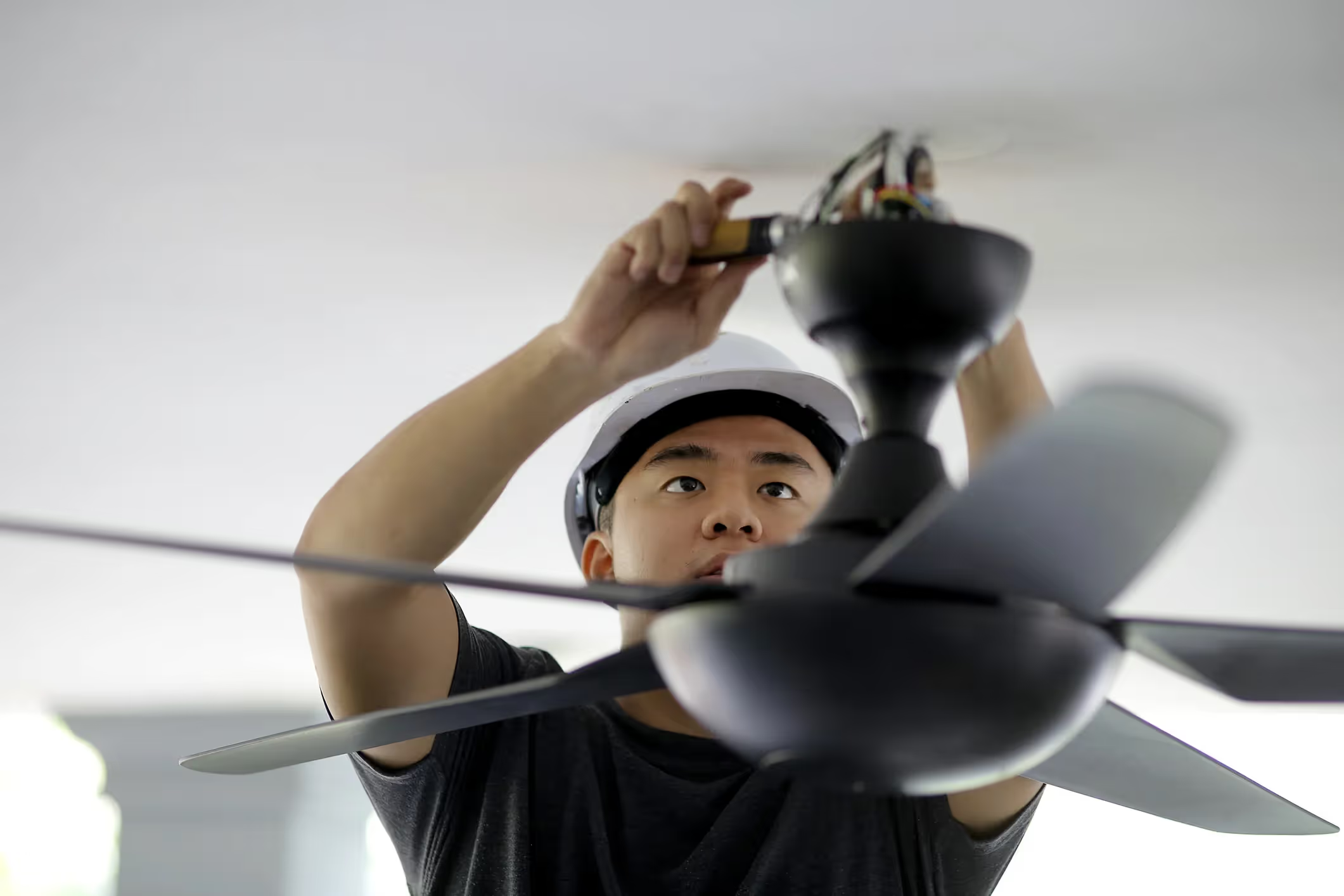
The Professional Installation Process
Understanding what happens during an installation appointment helps homeowners prepare for the service. We prioritize efficiency and cleanliness, ensuring that your home is respected throughout the process. The timeline typically depends on whether existing wiring is present or if new circuits need to be run.
- Site Assessment and Safety Check: First, the technician inspects the installation site. We verify that the existing electrical box is fan-rated. Standard plastic boxes used for light fixtures are often insufficient for ceiling fans. If the box is not rated for a fan, we remove it and install a retro-brace or a new steel box secured directly to the ceiling joist. We also check the wall switch configuration to determine if you want separate controls for the light and the fan speed.
- Electrical Preparation: We turn off power at the breaker panel to ensure safety. If the installation requires new wiring, we fish wires through the ceiling and walls with minimal impact on your drywall. For replacements, we inspect the condition of existing wires to ensure insulation is intact and connections are secure.
- Mounting and Assembly: The mounting bracket is secured to the ceiling structure. This is the most critical step for preventing wobbling. The motor housing is then lifted and hung on the bracket. While the motor is suspended, we make the final electrical connections, capping wires securely and tucking them neatly into the canopy to prevent pinching. ReliaBee Air, Electric, & Plumbing technicians double-check all grounds to prevent electrical hum or interference.
- Blade and Light Kit Installation: Once the motor is secure, we attach the fan blades. We use precision tools to ensure each blade is tightened to the exact same torque specifications, which keeps the fan balanced. If the unit includes a light kit, we install the fixture and any necessary glass shades or bulbs.
- Testing and Balancing: The final step involves restoring power and testing the fan at all speeds. We check for any audible noise or visual sway. If a wobble is detected, we use balancing kits to adjust the blade weight distribution until the rotation is perfectly smooth. We also verify that wall switches and remote controls are functioning correctly before leaving the premises.
When to Replace vs. Repair Your Ceiling Fan
Deciding between repairing an existing unit or investing in a new installation often comes down to the age of the fan and the nature of the problem. While high-end fans can last for decades, standard builder-grade models often degrade after several years of continuous use. Understanding the signs of failure helps you make a cost-effective decision.
- Motor Failure and Hum: If your fan emits a loud humming or buzzing noise that cannot be fixed by tightening screws, the motor bearings may be shot or the internal windings may be failing. Motor repair is rarely cost-effective for residential fans. In this scenario, replacement is the smarter financial choice, as modern motors are quieter and more energy-efficient.
- Persistent Wobbling: Minor wobbling can often be fixed with balancing or tightening the blade irons. However, if a fan continues to wobble aggressively despite these adjustments, it may indicate a bent motor shaft or a warped flywheel. Operating a fan in this condition is dangerous, as it puts stress on the ceiling mount. Replacement is necessary to ensure safety.
- Outdated Controls and Efficiency: Older fans often lack the airflow efficiency of modern aerodynamic designs. If your current fan spins but moves very little air, it is likely due to poor blade pitch or an underpowered motor. Replacing the unit with a modern fan that has a steeper blade pitch will significantly improve comfort. Additionally, if you want to upgrade from pull chains to wall controls or smart home integration, a new installation is the best path forward.
- Lighting Issues: If the light kit on your fan flickers or fails despite changing bulbs, the internal limiter or socket wiring may be damaged. While sockets can sometimes be replaced, heat damage to the internal wiring harness creates a fire risk. Installing a new unit ensures that the electrical components are safe and reliable.
Local Considerations for Helotes Homeowners
Operating a ceiling fan effectively requires adapting to the specific climate conditions of the region. In Helotes, where summer temperatures frequently soar between 90°F and 100°F, ceiling fans are a primary line of defense against high energy bills. However, the way you use and install your fan changes depending on the season and the location within the home.
- Seasonal Directional Settings: During the hot, humid summer months, your fan should be set to rotate counter-clockwise. This creates a direct downdraft that generates a wind-chill effect on your skin, making the room feel several degrees cooler. This allows you to raise your thermostat setting without sacrificing comfort. In the mild winters, when temperatures drop to the 30s and 50s, the fan should be switched to a clockwise rotation at a low speed. This pulls cool air up and forces warm air trapped at the ceiling down along the walls, redistributing heat without creating a draft.
- Ceiling Height and Slopes: Many homes in the area feature vaulted or cathedral ceilings to combat heat accumulation. Installing a fan on a sloped ceiling requires a specialized mounting canopy that allows the downrod to hang plumb despite the angle of the roof. Without this adapter, the fan motor will grind against the housing. We ensure the correct hardware is used for every ceiling geometry.
- Outdoor Patio Installations: Outdoor living is a staple of the local lifestyle. Installing fans on covered patios or pergolas requires "damp-rated" or "wet-rated" fans. Standard indoor fans cannot withstand humidity and moisture; their blades will droop, and the motor will rust. We verify that any fan installed outdoors is certified to withstand the specific environmental exposure of your patio area.
- Electrical Load and Permits: Adding multiple fans to a home can increase the load on a specific electrical circuit. If you are adding fans to bedrooms that previously had no overhead lighting, we assess the circuit capacity to prevent breaker trips. We adhere to all local electrical codes regarding junction box support and wiring gauge to ensure your home remains compliant and safe.
Why Professional Installation is Essential
While ceiling fans are sold at home improvement stores, the installation process involves risks that go beyond simple assembly. A professional installation ensures that the heavy, rotating machinery above your head is secured according to code. We see many DIY installations where fans are mounted to standard plastic boxes, leading to sagging ceilings and eventual failure.
Professional electricians and installers possess the tools to troubleshoot wiring anomalies found in older homes. We identify issues such as ungrounded circuits or reversed polarity that could damage modern fan electronics. Furthermore, professional assembly ensures that the fan operates silently. Improperly tightened screws or misaligned blades are the leading causes of annoying clicking and ticking sounds.
Choosing a professional service also safeguards your warranty. Many fan manufacturers void warranties if the unit is not installed by a qualified professional or if it is mounted to an improper junction box. We provide documentation of the installation, protecting your investment.
Improving Energy Efficiency and Airflow
The primary function of a ceiling fan is to improve the efficiency of your HVAC system. By supplementing your air conditioner with ceiling fans, you can significantly reduce the runtime of your central cooling unit. For every degree you raise your thermostat, you save a percentage on your cooling bill. The breeze from a ceiling fan makes a room at 78°F feel like 72°F.
However, size matters. Installing a fan that is too small for a large living room will result in noise without airflow. Conversely, a fan that is too large for a small bedroom can create an overwhelming wind tunnel effect. We help you select the right blade span for your square footage:
- 42 to 44-inch fans for rooms up to 144 square feet.
- 52-inch fans for rooms up to 225 square feet.
- 60-inch or larger fans for great rooms and open floor plans.
We also ensure proper blade pitch. The angle of the blade determines how much air the fan moves. Cheaper fans with flat blades merely slice through the air, while quality fans with a pitch of 12 to 15 degrees effectively scoop and move air throughout the space.
Safety and Structural Integrity
The vibration caused by a motor spinning at high speeds places constant stress on the mounting point. Over time, this vibration can loosen connections in a standard light box, leading to arcing and fire hazards. Our installation process utilizes steel boxes with heavy-duty mounting screws that bite deep into the wood framing of your home.
If access to a ceiling joist is not available directly above the desired location, we utilize expanding fan braces. These metal bars insert through the hole in the drywall and expand until they grip the joists on either side, creating a rock-solid bridge that can support fans weighing up to 50 pounds or more. This allows for flexible placement of the fan in the center of the room, regardless of framing layout.
Secure Your Comfort and Safety Today
Don't let the heat dictate your comfort or risk safety with improper wiring. A correctly installed ceiling fan transforms the feel of your home, lowers energy costs, and provides year-round climate control. ReliaBee Air, Electric, & Plumbing delivers the expertise required to handle complex wiring, high ceilings, and specific airflow requirements.
Ensure your installation is done right the first time. Contact us now to schedule your ceiling fan installation and experience immediate relief from the heat.

Current Offers for
San Antonio Homeowners
Free Plumbing Safety Check


$59 AC Tune-Up
5% OFF FOR SENIORS
5% OFF FOR VETERANS & FIRST RESPONDERS

5% OFF FOR EDUCATORS


What Your Neighbors Are Saying