Heat Pump Repair in Leon Valley, TX

Immediate Heat Pump Repair Services
Is your heat pump failing to beat the Leon Valley heat, or struggling with chilly winter mornings? ReliaBee Air, Electric, & Plumbing provides quick, reliable repairs to get your system back on track; contact us now to schedule a technician or apply for financing:
- Expedited repair services to restore comfort swiftly.
- Certified technicians equipped to handle complex issues.
- Affordable solutions with transparent pricing and no hidden fees.
All repairs are fully licensed, guaranteed, and financing options are available to fit your budget.
Your Local Heat Pump Repair Solution
A malfunctioning heat pump in South Texas creates immediate discomfort. Unlike a standard furnace or air conditioner, a heat pump works year-round to manage indoor climate. When it fails, you lose both your primary cooling source against the humidity and your heating source during cold snaps. Homeowners in Leon Valley require immediate intervention when airflow stops or temperatures inside start to match the outdoors.
We address the root causes of system inefficiency and failure. Whether the unit is blowing lukewarm air during a summer heatwave or failing to switch over to heat mode when the temperature drops, the issue often lies in specific mechanical or electrical components. Ignoring subtle signs like short cycling, strange vibrations, or spiking utility bills often leads to a total system breakdown. We provide the technical expertise required to diagnose these issues accurately without guesswork.
Common Heat Pump Performance Issues
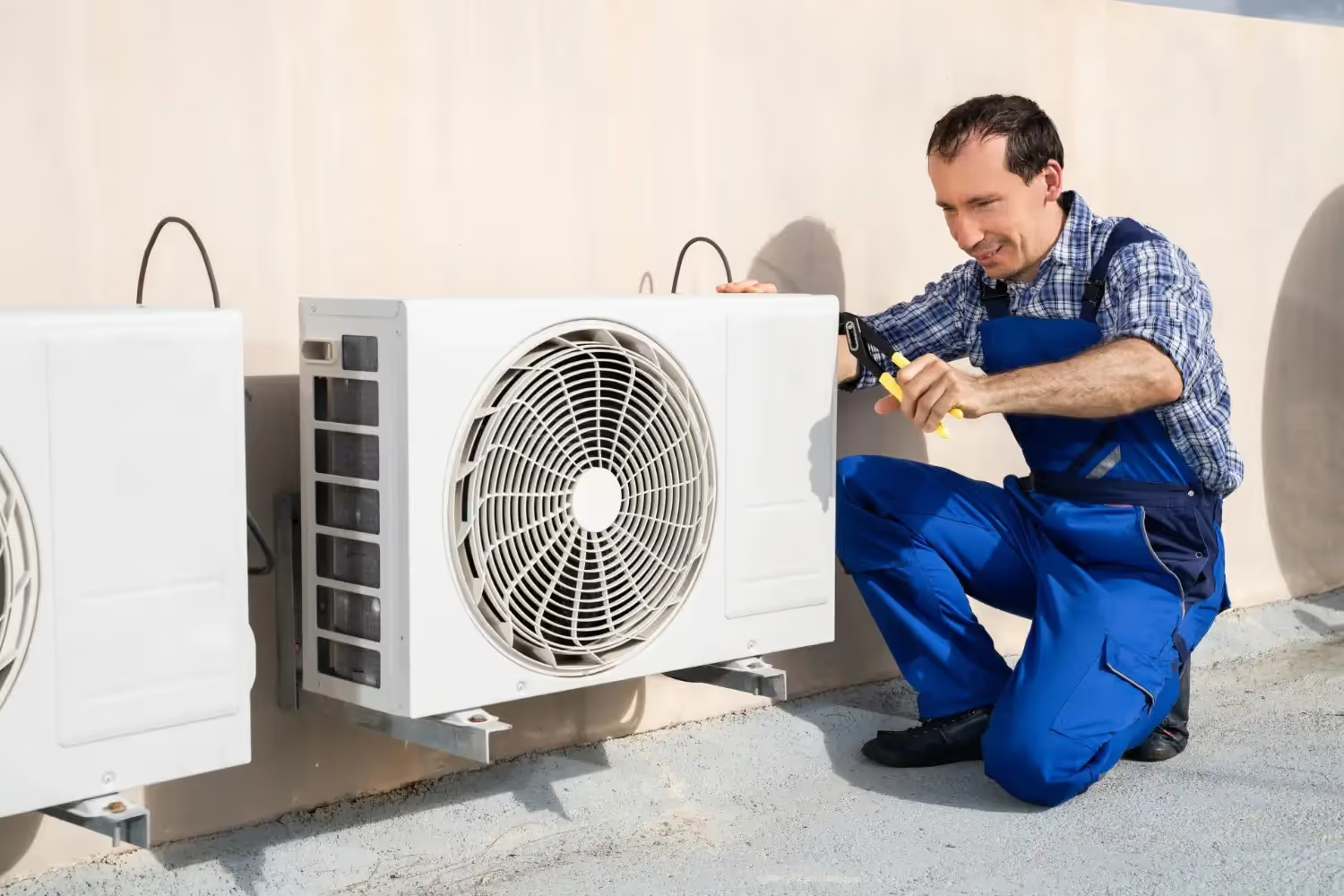
Heat pumps operate under high pressure and significant workload constraints. Because they move heat rather than generate it, the mechanics involve complex refrigerant cycles. We frequently resolve the following issues:
- Refrigerant Leaks: Low refrigerant levels prevent the system from absorbing or releasing heat effectively. This often manifests as ice buildup on coils or air that feels room temperature.
- Frozen Evaporator Coils: Airflow restrictions from dirty filters or mechanical failures can cause coils to freeze, halting the cooling process entirely.
- Reversing Valve Failure: This is the component that distinguishes a heat pump from a standard AC. If this valve gets stuck, the unit cannot switch between heating and cooling modes.
- Electrical Control Failures: Capacitors, contactors, and thermostats often fail due to the intense cycling required during peak seasons.
- Compressor Malfunctions: The compressor is the heart of the system. Grinding noises or hard starts usually indicate the compressor is struggling to pump refrigerant.
- Auxiliary Heat Problems: If your "Emergency Heat" light stays on or electricity bills skyrocket, the strip heat may be running unnecessarily due to a heat pump fault.
Comprehensive Services: From Diagnosis to Repair
Effective repair goes beyond swapping out a broken part. It requires a holistic view of the HVAC system to ensure the new component integrates correctly and lasts for the remaining life of the unit. Our service protocol covers every aspect of the heat pump's operation, ensuring that one fix does not lead to another failure shortly after.
We handle repairs for all major makes and models. Modern heat pumps utilize advanced electronics and variable-speed motors that require specialized diagnostic tools. Our trucks are stocked with universal parts and manufacturer-specific components to maximize the chance of a first-visit resolution.
Scope of Repair Work
When you request service, the focus is on restoring efficiency and safety. The repair scope generally includes:
- Electrical System Testing: Technicians measure voltage and amperage on all motors and verify the integrity of wiring connections to prevent fire hazards or motor burnout.
- Airflow Analysis: Proper static pressure is verified. We check the blower motor, fan blades, and ductwork connections to ensure air is moving at the correct volume.
- Refrigerant Charge Adjustment: We identify leaks, repair the source, and recharge the system to factory specifications using the correct refrigerant type (R-410A or newer alternatives).
- Sensor Calibration: Thermostats and internal sensors are calibrated to ensure the system reads the indoor temperature accurately and cycles appropriately.
- Drainage Clearing: Clogged condensate drains are cleared to prevent water damage and humidity issues within the home.
- Defrost Cycle Verification: For heating operations, we ensure the unit enters and exits the defrost cycle correctly to prevent ice accumulation on the outdoor unit.
Our Step-by-Step Repair Process — What to Expect
Professional repair services should be transparent and predictable. We utilize a structured process to minimize disruption to your day while ensuring thorough results. This workflow ensures that you understand exactly what is wrong, what it costs to fix it, and when your home will be comfortable again:
- Initial Assessment: Upon arrival, the technician listens to your description of the problem and performs a visual inspection of both the indoor air handler and the outdoor condenser unit.
- Diagnostic Testing: Specialized gauges and meters are used to test pressure, temperature, and electrical signals. This isolates the specific point of failure.
- Clear Explanation and Quoting: Before any wrench is turned, you receive a detailed explanation of the issue and a flat-rate quote for the repair. You approve the work before it begins.
- Execution of Repairs: The technician performs the necessary repairs, replacing damaged components and securing connections. The work area is kept clean and protected.
- System Testing: Once the repair is complete, the system is run through a full operational cycle. We measure temperature differentials (the "split") to confirm the unit is cooling or heating effectively.
- Final Walkthrough: The technician explains what was done, provides maintenance advice to prevent recurrence, and ensures you are satisfied with the system's performance.
Deciding Between Heat Pump Repair or Replacement
One of the most difficult decisions for a homeowner is knowing when to stop pouring money into an aging unit and when to invest in a new system. While repair is often the most cost-effective immediate solution, there are thresholds where replacement becomes the financially smarter choice.
ReliaBee Air, Electric, & Plumbing helps you navigate this decision using data, not pressure. We look at the age of the system, the frequency of breakdowns, and the cost of the current repair relative to a new unit.
The 50% Rule and Age Factor
Industry standards suggest using the "50% Rule." If the cost of the repair approaches 50% of the value of the system, replacement is usually recommended. However, age is a multiplier in this equation:
- Repair is typically best when:
- The heat pump is under 10 years old.
- The system has been well-maintained and has a documented service history.
- The warranty covers major parts like the compressor or coils.
- The issue is a minor component like a capacitor, fan motor, or contactor.
- You plan to move in the near future and need the system functional for the sale.
- Replacement is often wiser when:
- The unit is over 15 years old, nearing the end of its expected lifespan.
- The system uses R-22 refrigerant (Freon), which is phased out and incredibly expensive to replace.
- You are facing a major component failure, such as a grounded compressor or a leaking coil, on an out-of-warranty unit.
- Utility bills have been steadily increasing due to the unit losing efficiency (SEER degradation).
- The repair cost multiplied by the age of the unit exceeds $5,000 (a common industry formula).
Staying Compliant: Local Codes & Seasonal Advice for Leon Valley
Operating an HVAC system in Leon Valley requires understanding the local environment and regulations. The climate here is characterized by hot, humid summers and generally mild winters, though occasional freezes do occur. This weather pattern places specific demands on heat pumps:
Addressing Humidity and Heat Load
The primary challenge in this region is humidity control. A heat pump that is short-cycling (turning on and off too quickly) will cool the air but fail to dehumidify it. This leads to a clammy indoor environment and potential mold growth.
- Variable Speed Operations: If your system supports it, ensuring variable speed settings are optimized helps remove moisture more effectively than single-stage blasts of cold air.
- Insulation Checks: High humidity often enters through duct leaks. Part of maintaining a healthy heat pump involves ensuring the return and supply ducts are sealed against the attic heat.
Winter Preparedness and Defrost Modes
While winters are mild, the humidity can cause frost to build up on the outdoor unit when temperatures drop near freezing.
- Defrost Cycle: Residents should be aware that their heat pump will periodically enter a "defrost mode" during winter. This is normal operation where the unit melts ice off the outdoor coil. If the unit stays in this mode too long or never enters it, professional repair is required.
- Emergency Heat: Understanding how and when to use the "Emergency Heat" or "Auxiliary Heat" setting on your thermostat is vital for efficient winter operation. Reliance on this setting when the heat pump should be working efficiently will drastically inflate energy costs.
Permitting and Utility Regulations
HVAC work in Texas is regulated to ensure safety and energy efficiency.
- Licensing: Texas law requires that any individual performing air conditioning and refrigeration maintenance or repair be licensed by the Texas Department of Licensing and Regulation (TDLR). Hiring unlicensed workers puts homeowners at risk of poor workmanship and voided manufacturer warranties.
- Rebates and Incentives: Local utility providers, such as CPS Energy, often offer rebates for repairing or upgrading to high-efficiency equipment. Professional repair documentation is often required to qualify for these incentives or to maintain valid home warranty coverage.
- Municipal Codes: Major repairs or replacements in Leon Valley may trigger requirements to bring the system up to current building codes. This might include updates to electrical disconnects, float switches for water safety, or pad stabilization. We ensure all work performed meets these local standards.
Why Choose Our Team? Our Commitments and Credentials
Selecting a service provider is about trust and technical competence. You need a team that respects your time, property, and budget. We focus on delivering high-quality technical service with a customer-centric approach:
- Technical Expertise: Our team undergoes continuous training to stay current on the latest heat pump technologies, including inverter-driven compressors and smart thermostat integration.
- Transparent Communication: You will never receive a surprise bill. All costs are discussed and approved upfront. We explain the "why" behind every repair so you can make informed decisions.
- Respect for Property: Technicians use shoe covers and drop cloths to protect your flooring and clean up the workspace thoroughly upon completion.
- Local Availability: Being locally focused means we understand the specific climate challenges of the area and can respond rapidly when weather conditions become extreme.
- Satisfaction Focus: We stand behind our workmanship. If a repair fails or the issue persists, we return to make it right.
Restoring your comfort is our priority. Do not let a faulty heat pump compromise your home environment or inflate your energy bills.
Get Fast, Reliable Heat Pump Repair—Restore Comfort Today
When your heat pump fails, comfort disappears fast—but relief is only one call away. ReliaBee Air, Electric, & Plumbing is standing by with certified technicians, same-day service availability, and expert repair solutions tailored to South Texas homes. Whether you're battling intense summer heat or unexpected winter chills, we diagnose issues accurately and restore your system to peak performance with transparent pricing and guaranteed workmanship. Don't wait for the problem to worsen or your energy bills to climb. Contact ReliaBee Air, Electric, & Plumbing today to schedule immediate service and get your home feeling comfortable again—quickly, safely, and affordably.

Current Offers for
San Antonio Homeowners
Free Plumbing Safety Check


$59 AC Tune-Up
5% OFF FOR SENIORS
5% OFF FOR VETERANS & FIRST RESPONDERS

5% OFF FOR EDUCATORS


What Your Neighbors Are Saying