Heating Maintenance in Alamo Ranch, TX

Is Your Heating System Ready for the Next Cold Front?
Encountering unexpected heating failures during Alamo Ranch's chilly winter nights can turn a comfortable home into an urgent situation very quickly. If your furnace is making strange noises or failing to reach the set temperature, professional maintenance is the most effective way to restore performance before a total breakdown occurs. Contact us today to schedule a comprehensive system inspection or financing options for necessary repairs.
While Texas winters are generally mild, an unmaintained system often fails precisely when you need it most—during the first real freeze of the year. ReliaBee Air, Electric, & Plumbing provides thorough inspections and tune-ups designed to catch small issues before they become expensive repairs.
- Get prompt service to restore consistent warmth and airflow.
- Access certified technicians capable of servicing all major furnace and heat pump brands.
- Receive expert assessments on system efficiency and safety controls.
Certified and insured workmanship ensures your system operates safely and keeps your manufacturer warranties valid.
What a Comprehensive Tune-Up Includes
A professional heating tune-up is not merely a quick visual check; it is a deep cleaning and calibration process designed to return your equipment to factory specifications. Over the course of a year, dust accumulation, vibration, and thermal expansion can loosen electrical connections and degrade mechanical components. A proper maintenance visit addresses these wear-and-tear issues systematically.
Safety and Combustion Analysis
- The most critical aspect of heating maintenance is ensuring safe combustion. Technicians inspect the heat exchanger for cracks or corrosion. A compromised heat exchanger can allow carbon monoxide to leak into the living space, creating a severe health hazard.
- We test the ignition system for proper firing. Delayed ignition can cause "roll-out," where flames escape the combustion chamber, damaging wiring and internal components.
- The flame sensor is cleaned and tested. A dirty flame sensor will fail to detect the burner flame, causing the system to shut down repeatedly as a safety precaution.
- Technicians measure the draft in the flue pipe to ensure exhaust gases are venting properly out of your home.
Electrical and Mechanical Testing
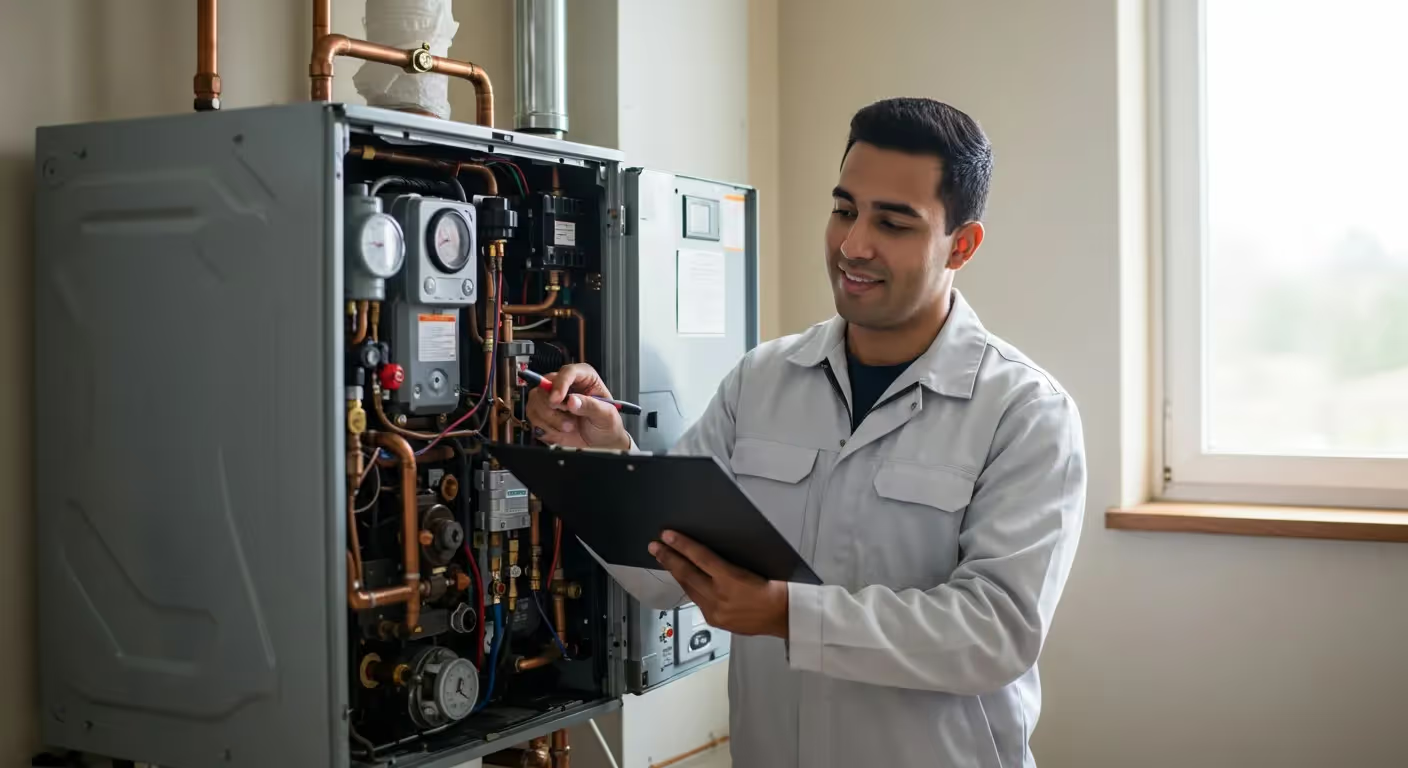
- All electrical connections are tightened and inspected for signs of pitting or burning. Loose connections cause voltage drops that can overheat motors and destroy control boards.
- The blower motor and capacitor are tested. The capacitor stores the energy needed to start the motor; if it is weak, the motor strains to start, shortening its lifespan.
- Amperage and voltage draws are measured on all motors to ensure they are operating within the manufacturer’s design parameters.
- The thermostat is calibrated to ensure it reads the indoor temperature accurately, preventing the system from running longer than necessary.
Airflow and Efficiency Optimization
- The air filter is inspected and replaced if a customer-supplied filter is available. Restricted airflow is the leading cause of premature component failure in heating systems.
- We inspect the ductwork for visible leaks or disconnections that could be siphoning heat into the attic or crawlspace.
- The temperature rise (the difference between air entering and leaving the furnace) is measured. If this range is too high or too low, it indicates issues with gas pressure or airflow that must be adjusted to prevent overheating.
The Maintenance Workflow: How We Service Your System
Understanding the service process helps you prepare for the technician's arrival and ensures you know exactly what work is being performed. The goal is to be non-intrusive while providing a thorough examination of the entire heating envelope.
- Arrival and Initial Assessment
- The process begins with a discussion about any specific issues you have noticed, such as cold spots in certain rooms, unusual smells, or rising utility bills.
- The technician performs a test cycle to listen to the system during startup, operation, and shutdown. This auditory inspection often reveals loose parts or failing bearings immediately.
- System Shutdown and Internal Access
- Power and gas to the unit are turned off for safety. The technician opens the access panels to expose the blower, burners, and controls.
- During this phase, the internal cabinet is vacuumed and cleaned to remove dust that can clog the burners or pilot assembly.
- The blower wheel is inspected for debris buildup. Even a thin layer of dust on the blower blades can significantly reduce the amount of air the system moves, forcing the furnace to work harder.
- Testing and Calibration
- Once cleaned, the system is powered back on for dynamic testing. Gas pressure is adjusted at the valve to ensure the furnace burns fuel efficiently.
- Safety switches, such as the high-limit switch and pressure switch, are tested to verify they will shut the unit down in the event of a malfunction.
- The technician cycles the system through a full heating call to monitor stability over time.
- Reporting and Recommendations
- Finally, the technician provides a detailed report of the findings. This includes the status of critical components, any immediate repairs needed, and recommendations for future planning.
- If a part is near the end of its lifecycle but hasn't failed yet, you will be notified so you can decide whether to replace it proactively or monitor it.
Recognizing When Maintenance Isn't Enough
While routine maintenance extends the life of a heating system, there is a point of diminishing returns where repair costs outweigh the value of the unit. Making the decision to repair or replace involves evaluating safety, efficiency, and financial practicality.
The 50% Rule and Frequency of Breakdown
- A general industry standard is the "50% Rule." If the cost of a repair approaches 50% of the value of a new system, replacement is usually the smarter financial move.
- Frequent breakdowns are another indicator. If you have required repairs more than twice in the last two years, the system is likely entering the failure phase of its lifecycle. Continuing to patch a dying system often costs more in the long run than investing in a new, warranted unit.
Age and Efficiency Ratings
- Most gas furnaces have a lifespan of 15 to 20 years, while heat pumps typically last 10 to 15 years. If your system is in the Alamo Ranch area and is approaching these milestones, major components like the compressor or heat exchanger are at higher risk of failure.
- Older units often have Annual Fuel Utilization Efficiency (AFUE) ratings of 70% or lower. Modern systems start at 80% and go up to 98%. Upgrading can result in immediate savings on monthly energy bills, effectively subsidizing the cost of the new installation over time.
Safety Red Flags
- If a technician discovers a cracked heat exchanger, the unit must typically be shut down immediately due to carbon monoxide risks. In this scenario, replacement is almost always the only safe option, as replacing a heat exchanger is labor-intensive and expensive on an old unit.
- Evidence of significant rust or corrosion inside the unit indicates moisture issues that have likely compromised multiple components. ReliaBee Air, Electric, & Plumbing technicians provide honest assessments in these situations, prioritizing your safety above all else.
Local Factors Affecting Heating in Texas
Operating a heating system in this region presents unique challenges compared to colder climates. The specific weather patterns and regulatory environment influence how systems should be maintained and operated.
Humidity and Mild Winters
- The local climate features hot summers and mild winters, with average annual precipitation around 30-35 inches. This fluctuation can lead to moisture buildup within the HVAC system during the off-season.
- Rust and corrosion on electrical contacts are common issues here due to the humidity. During a tune-up, treating these connections is vital to prevent electrical shorts when the heat is finally turned on.
- Because winters are mild, heating systems often run for shorter cycles. If a system is oversized—a common issue in local construction—it will "short cycle," turning on and off rapidly. This causes excessive wear on the ignition system and heat exchanger. Maintenance involves checking for short cycling and adjusting the heat anticipator or gas pressure to compensate.
State Regulations and Licensing
- The Texas Department of Licensing and Regulation (TDLR) governs HVAC work in the state. It is illegal for unlicensed individuals to perform heating repairs.
- Compliance with local codes regarding gas piping, venting clearance, and electrical disconnects is mandatory. Professional maintenance ensures your system remains up to code, which is crucial if you plan to sell your home or file an insurance claim related to the HVAC system.
- Recent changes in SEER2 and refrigerant regulations also impact heat pumps. A local professional stays updated on these federal and state mandates to ensure you are not investing in obsolete technology or non-compliant repairs.
The Value of Certified Heating Technicians
Entrusting your heating system to a certified professional provides more than just a working furnace; it offers long-term reliability and risk mitigation. Modern heating equipment involves complex electronics and volatile fuels, requiring specialized training to service correctly.
- Warranty Protection: Most manufacturers require proof of annual maintenance by a licensed professional to honor the parts warranty. Skipping this service can void your coverage, leaving you liable for the full cost of replacing expensive parts like the compressor or heat exchanger.
- Advanced Diagnostics: Certified technicians utilize specialized tools such as combustion analyzers, manometers, and multimeters. These tools provide data that the naked eye cannot see, allowing for precise diagnoses rather than guesswork.
- Safety Assurance: Working with natural gas and high-voltage electricity requires strict adherence to safety protocols. Professionals are trained to detect gas leaks, verify proper venting, and ensure all safety interlocks are functioning.
- System Longevity: Regular, professional cleaning reduces the strain on internal components. A system that runs clean runs cooler and lasts longer, delaying the substantial expense of full system replacement.
Ensuring your home remains warm and safe requires a proactive approach to HVAC care. Whether you need a seasonal inspection or a diagnostic for a specific problem, professional service is the standard for reliability.
Elevate Your Home’s Winter Readiness with Expert Heating Care
When colder nights roll into Alamo Ranch, your heating system should respond with steady, reliable performance—not hesitation or unexpected failures. If you’ve noticed unusual sounds, inconsistent temperatures, or rising utility bills, now is the ideal time to take action before a minor issue becomes a major repair. With meticulous inspections, precision calibration, and safety-first service, ReliaBee Air, Electric, & Plumbing ensures your heating system is fully prepared for the next cold front and beyond.
Secure your comfort and safety today—reach out to schedule your heating maintenance service.

Current Offers for
San Antonio Homeowners
Free Plumbing Safety Check


$59 AC Tune-Up
5% OFF FOR SENIORS
5% OFF FOR VETERANS & FIRST RESPONDERS
5% OFF FOR EDUCATORS


What Your Neighbors Are Saying