HVAC Repair in Balcones Heights, TX

Is your air conditioning failing in the face of Balcones Heights’ scorching summers? You need quick, reliable repair services that promise to restore your comfort swiftly. Contact us immediately for emergency service to restore your cooling or to discuss available financing options:
- Receive same-day HVAC repair services—get back to comfort faster.
- Benefit from 24/7 emergency service availability; we're here whenever you need us.
- Free diagnostics to pinpoint problems without upfront costs.
All services come with a comprehensive warranty and easy financing options.
Immediate Relief: Scope of Repairs and Timeline
When an HVAC system fails, the priority is restoring functionality to the home or business immediately. In a climate like Balcones Heights, where humidity levels remain high and temperatures soar, a broken air conditioner is not merely an inconvenience; it is a safety concern. The objective of professional repair services is to diagnose the root cause of the failure accurately and implement a lasting fix without unnecessary delays.
Most repair visits begin with a comprehensive assessment of the cooling or heating unit. This includes checking the thermostat calibration, inspecting electrical connections, and measuring refrigerant levels. If the system is blowing warm air, making unusual noises, or failing to turn on entirely, technicians utilize specialized diagnostic tools to isolate the malfunctioning component. Common issues often involve failed capacitors, clogged condensate drain lines, frozen evaporator coils, or burnt-out compressor motors.
ReliaBee prioritizes efficiency to minimize downtime. For standard repairs, the goal is same-day resolution. Service trucks are typically stocked with universal parts such as contactors, capacitors, fan motors, and control boards. This preparation ensures that once the issue is identified, the repair can often proceed immediately without waiting for parts to be ordered. Complex repairs involving major components like the compressor or heat exchanger may require additional time, but the initial diagnosis provides a clear timeline and cost estimate before any work begins.
The HVAC Restoration Process: Step-by-Step
Understanding the workflow of a professional HVAC repair helps set expectations regarding what happens during a service call. The process is designed to be systematic, ensuring no underlying issues are overlooked while addressing the primary failure:
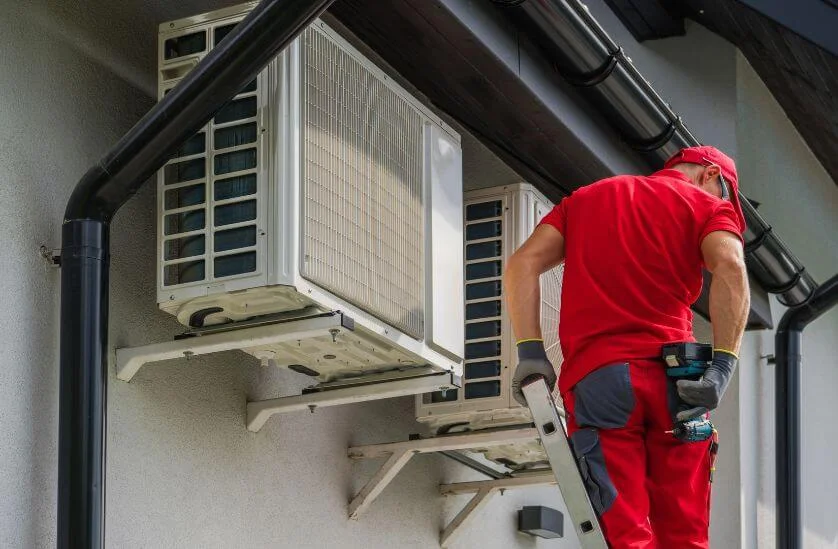
- First, the technician performs a visual and mechanical inspection. This involves examining the outdoor condenser unit for debris, checking the indoor air handler for airflow restrictions, and testing the thermostat for signal accuracy. Gauges are attached to the system to read pressure levels, which indicates the health of the refrigerant charge.
- Next, electrical testing is conducted. Loose connections, frayed wires, or corroded contacts can cause intermittent failures or total system shutdowns. Technicians use multimeters to measure voltage and amperage across motors and compressors to ensure they are drawing the correct amount of power.
- Then, the specific problem is isolated and presented with a solution. Whether it is a refrigerant leak that needs sealing and recharging or a blower motor that requires replacement, the scope of work is defined clearly. Options are provided based on the severity of the issue and the age of the equipment.
- Following approval, the repair is executed. This may involve brazing copper lines, replacing electrical components, or clearing blockages in the drainage system. Technicians adhere to strict safety protocols, particularly when handling high-voltage electricity or pressurized refrigerant.
- Finally, the system is tested for performance. The unit is cycled on and off to verify smooth operation. Temperature differentials are measured between the supply and return air to ensure the system is cooling or heating within manufacturer specifications. The workspace is cleaned, and a final report is provided detailing the work performed.
Deciding Between Repair and System Replacement
Homeowners often face a difficult decision when an older HVAC unit breaks down: is it more fast-effective to repair the existing unit or invest in a new system? This decision relies on several data points, including the age of the system, the frequency of recent breakdowns, and the cost of the current repair relative to a replacement.
The "50% Rule" is a standard industry metric used to guide this decision. If the cost of the necessary repair approaches or exceeds 50% of the value of the system, replacement is generally the more prudent financial choice. Additionally, the age of the unit plays a critical role. Air conditioning systems in this region typically last between 10 and 15 years due to the heavy workload imposed by the climate. If a unit is over 12 years old and requires a major component replacement, such as a compressor, the investment in a new unit often yields better long-term returns through improved energy efficiency and warranty coverage.
Another factor is the type of refrigerant used. Older systems utilizing R-22 Freon are becoming increasingly expensive to repair due to the phase-out of this refrigerant. Leaks in R-22 systems often necessitate a complete replacement because topping off the refrigerant is cost-prohibitive. Conversely, newer systems using R-410A or other modern refrigerants are generally worth repairing unless the repair cost is exorbitant.
Energy efficiency ratings (SEER) should also be considered. Older units often have SEER ratings of 10 or 12, whereas modern standards require a minimum of 14 or higher in the southern United States. upgrading to a high-efficiency system can significantly lower monthly utility bills, offsetting the installation cost over time. If the current system struggles to maintain consistent temperatures or causes localized humidity issues, replacement allows for the installation of correctly sized equipment that better manages the heat load.
Navigating Local HVAC Requirements in Balcones Heights
Operating HVAC equipment in Balcones Heights requires an understanding of specific environmental and regulatory factors. The humid subtropical climate places a massive latent load on air conditioning systems. This means the AC must work harder not just to lower the temperature, but to remove moisture from the air. If a system is short-cycling (turning on and off too quickly) or is oversized for the square footage, it will fail to dehumidify the home effectively, leading to clammy indoor conditions and potential mold growth.
- Permitting and Code Compliance: Major repairs involving structural changes or full system replacements often require adherence to local building codes. While minor repairs like swapping a capacitor usually do not require a permit, changing out a condenser or furnace may necessitate filing paperwork with the city or municipality to ensure the installation meets safety standards. This includes verifying proper electrical disconnects, breaker sizing, and clearance distances around the outdoor unit.
- Utility Considerations: Local energy providers may offer rebates or incentives for upgrading to high-efficiency systems. When performing repairs or replacements, it is beneficial to check if the equipment qualifies for any current energy-saving programs.
- Seasonal Maintenance: The transition from the mild winter to the hot summer is the critical period for HVAC maintenance in this area. Debris from trees and storms can clog the outdoor condenser coils, restricting heat transfer and causing the system to overheat. Ensuring that the outdoor unit is clear of vegetation and that the condensate drain line is free of algae buildup is essential before the peak heat arrives.
- Electrical Infrastructure: Older homes in the area may have outdated electrical panels that struggle to support modern, high-capacity HVAC systems. During a repair service, technicians check the voltage stability to ensure the AC unit is receiving clean power, as voltage fluctuations can damage sensitive electronic control boards.
Technical Precision and Service Standards
The difference between a temporary patch and a permanent solution lies in the technical precision of the repair. HVAC systems are complex thermodynamic machines that rely on a delicate balance of airflow, pressure, and electrical signals. A misdiagnosis can lead to repeated failures, higher energy bills, and reduced equipment lifespan.
Professional service involves more than just swapping parts. It requires a deep understanding of psychrometrics (the study of air and humidity) and thermodynamics. For example, simply adding refrigerant to a system that is low is not a complete repair; the leak must be located and sealed. Overcharging a system with refrigerant can destroy the compressor, while undercharging it causes the evaporator coil to freeze. Technicians use subcooling and superheat calculations to charge the system to the exact manufacturer specifications, ensuring optimal efficiency.
Airflow is another critical differentiator. A system cannot cool effectively if the ductwork is leaking or if the static pressure is too high. Professional diagnostics include checking static pressure to verify that the blower motor is moving the correct volume of air. If restrictions are found in the ductwork or filter system, these are addressed to prevent strain on the mechanical components.
Differentiators in professional service also extend to the tools and parts used. OEM (Original Equipment Manufacturer) parts are preferred for their compatibility and reliability. When universal parts are necessary, they must be rated strictly for the system's requirements. High-quality brazing techniques, proper evacuation of the refrigerant lines using a micron gauge, and thorough electrical safety checks distinguish expert repair work from amateur attempts.
Securing Your Comfort and System Longevity
A functioning HVAC system is the backbone of a comfortable home, especially given the intense weather patterns experienced in the region. Whether dealing with a minor electrical glitch or a major mechanical failure, the speed and quality of the repair determine how quickly normal life resumes. Ignoring small noises, odors, or performance drops can lead to catastrophic failure during the hottest days of the year.
Timely intervention protects the investment made in the cooling infrastructure. By addressing issues at the first sign of trouble, homeowners avoid the cascading damage that turns a minor repair into a full system replacement. Trusting the diagnosis and repair to qualified professionals ensures that the equipment operates safely, efficiently, and reliably for years to come. ReliaBee is dedicated to providing the expertise required to keep indoor environments cool and controlled.
Don't let a broken AC compromise safety or comfort. Click below to schedule a diagnostic visit or emergency repair service now.

Current Offers for
San Antonio Homeowners
Free Plumbing Safety Check


$59 AC Tune-Up
5% OFF FOR SENIORS
5% OFF FOR VETERANS & FIRST RESPONDERS
5% OFF FOR EDUCATORS


What Your Neighbors Are Saying