Heat Pump Installation in Boerne, TX

Need Efficient Heat Pump Installation in Hot Climates?
Facing the stifling heat of Boerne summers or the sudden chill of winter without a reliable climate control system can be frustrating and costly. Ensure your home remains comfortable and energy-efficient year-round with expert heat pump installation services available immediately by calling us to schedule an assessment or discuss financing options.
We provide a seamless transition to a modern, high-efficiency system designed to handle the specific weather patterns of the Texas Hill Country.
- Rapid installation protocols ensuring minimal downtime for your household.
- Certified technicians handling every step from load calculation to final testing for guaranteed quality.
- Transparent pricing structures provided upfront with zero hidden costs.
All installations are fully compliant with local building codes and come with comprehensive manufacturer warranty coverage for your peace of mind. ReliaBee Air, Electric, & Plumbing is committed to restoring your indoor comfort quickly and correctly.
Modern Heat Pump Solutions for Year-Round Climate Control
A heat pump is one of the most versatile HVAC investments a homeowner can make, particularly in regions with subtropical climates. Unlike traditional furnaces that burn fuel to generate heat, a heat pump moves heat. During the scorching summer months where temperatures frequently hit 95°F, the system acts exactly like a high-efficiency air conditioner, extracting heat from your home and transferring it outdoors. Conversely, during the mild winters where lows dip into the 50s and 60s, the cycle reverses, pulling ambient heat energy from the outdoor air and transferring it inside.
When you invest in a professional installation, you are purchasing more than just a piece of hardware; you are securing a comprehensive comfort solution. The scope of a proper installation includes a full assessment of your current ductwork infrastructure, ensuring it is sealed and sized correctly to handle the airflow requirements of modern equipment.
Current heat pump technology offers significant advantages over older systems:
- High Energy Efficiency (SEER2 and HSPF2): Modern units are rated with new efficiency standards that significantly lower electricity consumption compared to systems manufactured just a decade ago.
- Variable Speed Compressors: Unlike single-stage units that run at full blast or not at all, variable speed systems adjust cooling and heating output in small increments to maintain precise temperatures and control humidity.
- Dual Fuel Capability: For homeowners concerned about the rare extreme cold snap, hybrid systems can be installed that utilize an electric heat pump for mild weather and switch to a gas furnace only when temperatures drop significantly.
Residents in Boerne benefit specifically from these systems because they handle the high humidity of May and September effectively. By running longer cycles at lower speeds, a properly installed heat pump removes more moisture from the air than a standard AC, preventing that "clammy" indoor feeling and reducing mold risks.
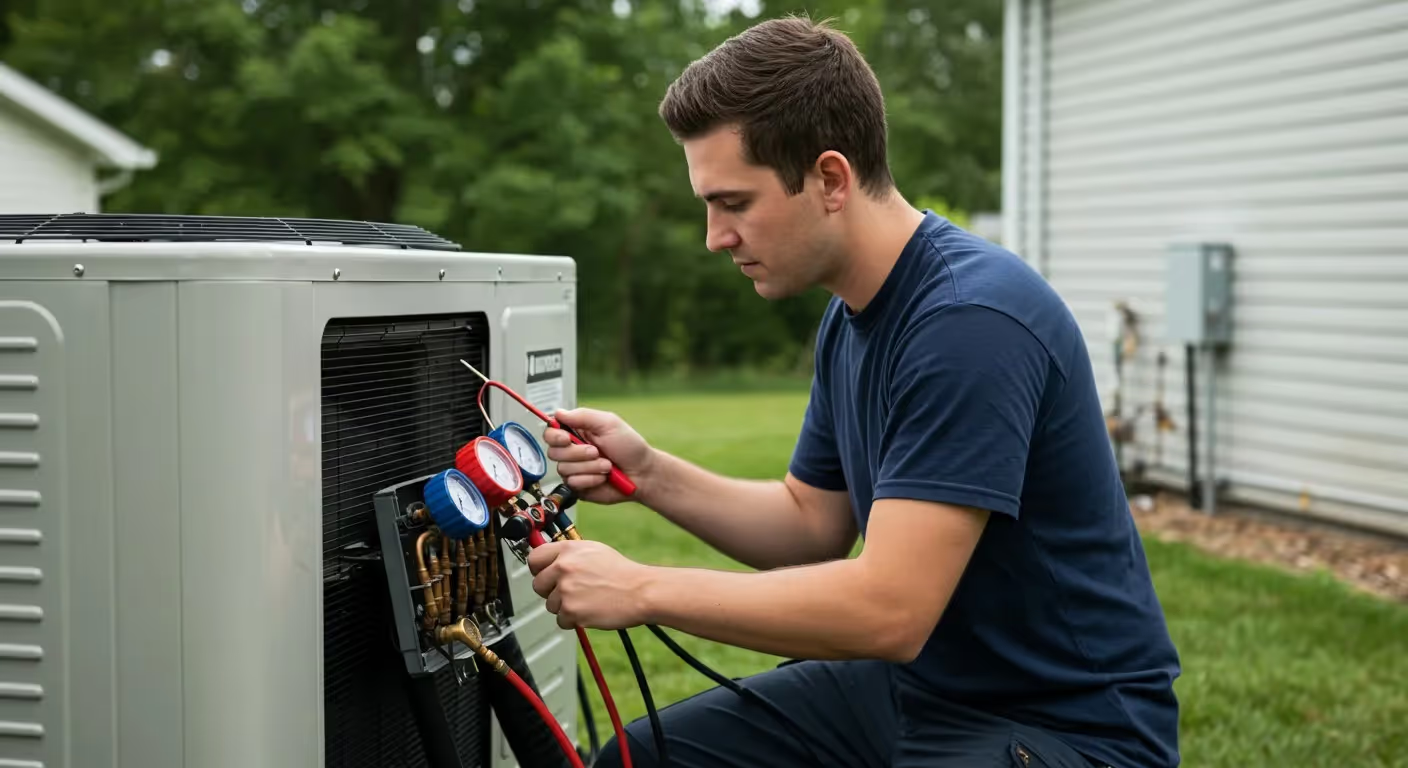
The Technical Installation Process
Replacing or installing a new HVAC system is a complex construction project that requires adherence to strict engineering standards. A "drop-in" replacement without proper calculations often leads to inefficiency and premature failure. The process focuses on technical precision to ensure the equipment performs according to manufacturer specifications.
Load Calculation and System Sizing
The first step is arguably the most critical. Technicians must perform a Manual J load calculation. This engineering formula considers the square footage of the home, insulation levels, window orientation, ceiling height, and local climate data. Guessing the size based on the previous unit is a recipe for failure. If a unit is too big, it will short-cycle, turning on and off rapidly, which wears out components and fails to dehumidify the home. If it is too small, it will run continuously without ever reaching the set temperature.
Site Preparation and Removal
Before the new unit arrives, the installation team prepares the site. This involves the safe recovery of refrigerant from the old system to prevent environmental contamination, followed by the physical removal of the old condenser and air handler. The pad where the outdoor unit sits must be leveled and stabilized. In the Texas Hill Country, ground shifting is common, so ensuring a stable composite or concrete base is essential for the longevity of the compressor.
Equipment Installation and Connection
Technicians then position the indoor evaporator coil and the outdoor condensing unit. The connection process involves several critical trades:
- Refrigerant Lines: Copper linesets are brazed or mechanically connected. The system is then pressure-tested with nitrogen to ensure there are absolutely no leaks.
- Electrical Wiring: High-voltage wiring is connected to the disconnect box, and low-voltage wiring is run to the thermostat and control board.
- Condensate Management: A drainage system is installed to route moisture pulled from the air away from the home’s foundation.
Vacuum and Charge
Once connected, a deep vacuum is pulled on the refrigerant lines to remove all moisture and non-condensables. This is vital; moisture inside the lines turns into acid that destroys the compressor. After the vacuum holds, the system is charged with the precise amount of refrigerant required by the manufacturer.
Final Commissioning
The system is not considered "installed" until it is commissioned. This involves measuring static pressure in the ducts, checking temperature splits (the difference in air temperature entering and leaving the unit), and verifying amp draws on motors. ReliaBee Air, Electric, & Plumbing technicians ensure every reading falls within the precise design parameters before marking the job complete.
Deciding When to Retrofit or Replace Your System
Determining whether to repair an aging unit or invest in a new heat pump is a financial and operational decision. While repairs can extend the life of a system, there is a tipping point where the cost of operation and the frequency of breakdowns make replacement the logical choice.
Consider the following factors when evaluating the state of your current HVAC equipment:
- Age of the Equipment: The average lifespan of a heat pump is between 10 and 15 years. If your system is approaching or has exceeded this range, major components like the compressor or reversing valve are statistically more likely to fail. Even if the unit is running, efficiency degradation means you are paying significantly more for the same amount of cooling or heating compared to a new unit.
- Frequency of Repairs: If you have required professional service more than twice in the last two years, the system is becoming unreliable. The "50% Rule" suggests that if the cost of a repair approaches 50% of the value of a new system, replacement is the better investment.
- Inconsistent Comfort: If certain rooms in your house are always hot while others are freezing, or if you struggle with high indoor humidity despite the AC running, the system may have lost compression or airflow capacity.
- Rising Energy Bills: An unexplained increase in utility costs often indicates the heat pump is working harder to achieve the same results. Modern systems with higher SEER2 ratings can cut cooling costs by 30% to 50% depending on the age of the unit being replaced.
In our service area, the strain placed on units during the long, hot summers accelerates wear and tear. A system that might last 20 years in a milder climate often requires replacement sooner here due to the sheer number of operating hours.
Local Considerations for Permitting and Utilities
Operating within Boerne and the surrounding Kendall County requires strict adherence to local regulations. HVAC installations are not merely plug-and-play; they are regulated construction activities that impact the safety and energy profile of a home.
Permitting and Inspections
Local building departments require permits for HVAC change-outs to ensure safety standards are met. This process verifies that electrical connections are up to code, reducing fire risks, and that the equipment meets federal and state energy conservation standards. A professional installation includes the handling of all necessary paperwork, the scheduling of inspections, and the guarantee that the work will pass inspection. Unpermitted work can lead to fines and complications when selling the home in the future.
Electrical Infrastructure
Older homes in the area may not have the electrical capacity to support modern, high-performance heat pumps. Current codes may require a dedicated circuit with a specific amperage. During the site assessment, the electrical panel is evaluated to ensure it can handle the startup load of the new compressor. If upgrades to the breaker box or disconnect switch are necessary, these are identified before work begins.
Environmental Adjustments
The local climate features high precipitation during May and September, often accompanied by thunderstorms. Outdoor units must be installed with these weather events in mind. This includes elevating the unit slightly to prevent debris buildup from heavy rains and ensuring it is securely anchored to withstand high winds. Furthermore, because heat pumps run year-round, proper drainage for the defrost cycle in winter is essential to prevent ice hazards on walkways or patios.
Optimizing System Performance Through Professional Execution
The difference between a heat pump that lasts 15 years and one that fails in five often comes down to the quality of the installation. Equipment quality is important, but installation quality is paramount. A top-tier brand installed poorly will perform worse than a budget brand installed perfectly.
Professional service providers focus on the holistic performance of the HVAC system. This includes a thorough evaluation of the ductwork. Leaky ducts can lose up to 30% of the conditioned air before it ever reaches your living space. Sealing these leaks and ensuring the return air supply is sufficient allows the heat pump to operate without straining the blower motor.
Furthermore, proper refrigerant charging is a precise science. An undercharged system freezes over and fails to cool, while an overcharged system runs at dangerously high pressures that can rupture internal valves. Manufacturers provide subcooling and superheat charts that must be followed strictly. Professional installers use digital gauges and temperature clamps to dial in these metrics to the decimal point.
Choosing the right partner for your heat pump installation means choosing a team that understands the intersection of advanced technology and local climate demands. It means selecting a provider that stands behind their labor with warranties and supports the manufacturer’s warranty through documented, code-compliant practices.
Elevate Your Comfort with Precision Heat Pump Installation
When extreme Texas temperatures demand dependable year-round climate control, your home needs more than basic equipment—it needs expert installation built for Boerne’s unique weather conditions. With advanced system sizing, meticulous commissioning, and total code compliance, ReliaBee Air, Electric, & Plumbing delivers a heat pump installation that enhances comfort, reduces energy costs, and protects your long-term investment.
When you require a system that delivers consistent comfort, lowers humidity, and reduces energy consumption, rely on the expertise of a dedicated service team. For reliable, efficient, and code-compliant heat pump installation, contact ReliaBee Air, Electric, & Plumbing today to secure your home’s comfort.

Current Offers for
San Antonio Homeowners
Free Plumbing Safety Check


$59 AC Tune-Up
5% OFF FOR SENIORS
5% OFF FOR VETERANS & FIRST RESPONDERS

5% OFF FOR EDUCATORS


What Your Neighbors Are Saying