Heating Service in Garden Ridge, TX

Unexpected Heating System Failure Leaving Your Home Cold?
Facing unexpected heating issues during the unpredictable weather patterns in Garden Ridge can be stressful, especially when temperatures drop suddenly into the 30s. A malfunctioning furnace or heat pump disrupts your daily routine and compromises the safety and comfort of your household. At ReliaBee Air, Electric, & Plumbing, we provide prompt and reliable heating solutions to ensure your comfort is restored without unnecessary delays. For immediate scheduling or to discuss financing options, call us now!
Our approach focuses on resolving the root cause of the failure rather than applying temporary patches. We understand that homeowners need a functioning system immediately, not just a diagnostic visit:
- Immediate emergency repair services are available for urgent breakdowns.
- Licensed and insured technicians dedicated to quality, safety, and code compliance.
- Comprehensive service coverage extending across the entire local area.
Fully licensed and insured for your peace of mind, with flexible financing options available to manage unexpected replacement costs.
Comprehensive Heating Diagnostic and Repair Solutions
When your heating system fails, you need a precise evaluation of what went wrong and a clear path to fixing it. Our service begins with a thorough diagnostic process designed to isolate mechanical, electrical, or airflow issues that are preventing your system from maintaining the set temperature. We do not guess; we test.
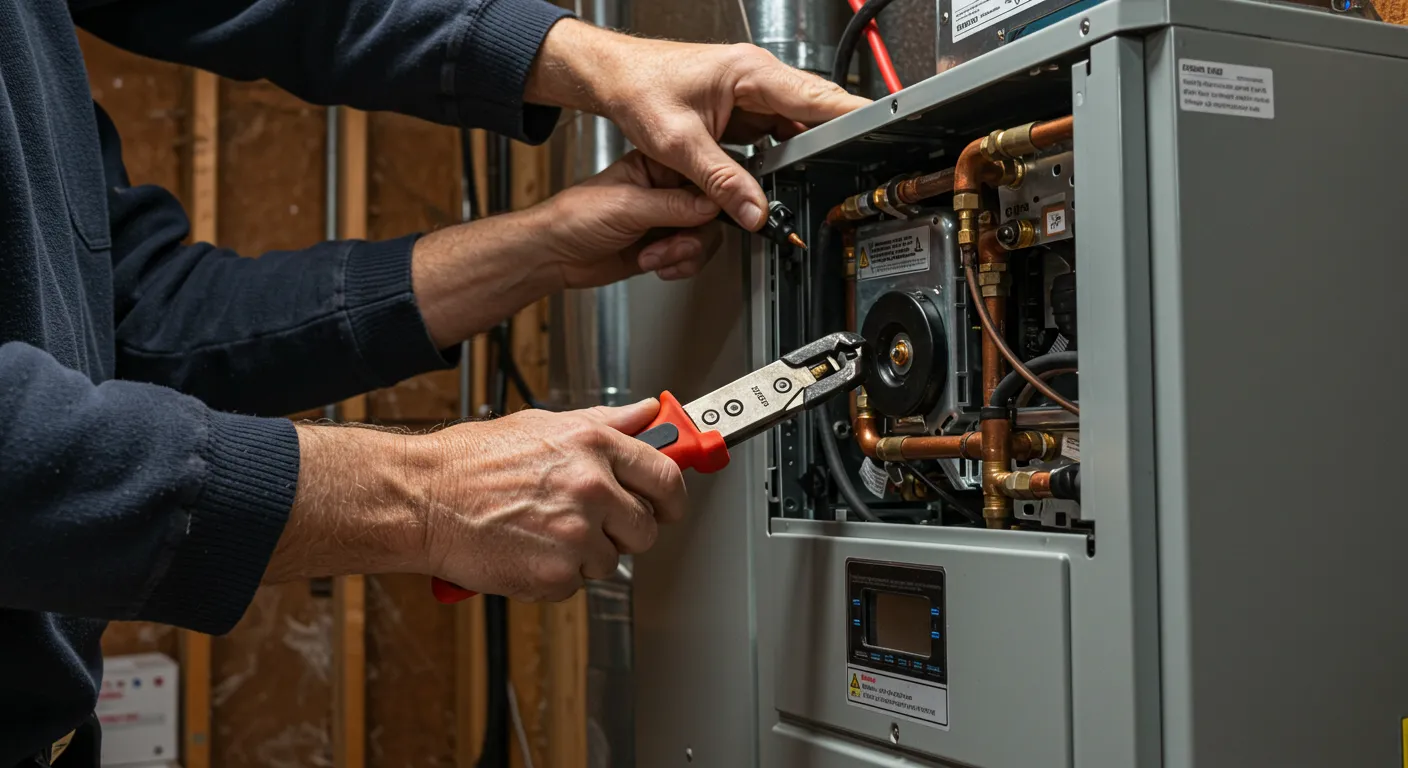
The diagnostic phase involves a systematic check of all critical components. This includes inspecting the thermostat for proper calibration, ensuring the pilot light or ignition system is functioning correctly, and verifying that the blower motor is moving air efficiently through the ductwork. If the system is a gas furnace, we prioritize safety by checking for gas leaks and testing the heat exchanger for cracks, which can lead to carbon monoxide exposure. For electric furnaces and heat pumps, we inspect heating elements, refrigerant levels, and reversing valves to ensure the system can switch effectively between modes.
Once the issue is identified, we provide a clear explanation of the necessary repairs. This includes a breakdown of parts required, the labor involved, and the expected timeline for completion. Our trucks are stocked with common parts to facilitate same-day repairs whenever possible. We handle a wide range of heating systems, including:
- Gas Furnaces: addressing issues with burners, gas valves, flame sensors, and flue pipes.
- Electric Furnaces: repairing sequencers, limits, and heating strips.
- Heat Pumps: troubleshooting defrost boards, refrigerant leaks, and compressor failures.
- Ductless Mini-Splits: resolving communication errors and cleaning impacted filters or blowers.
Routine maintenance is often the missing link when a system fails prematurely. During a service visit, we can also perform a tune-up if the system is operational but struggling. This involves cleaning the burners, tightening electrical connections, lubricating moving parts, and inspecting the condensate drain line to prevent water damage. By addressing these minor wear-and-tear issues, we help restore the system's efficiency and prevent future emergency calls.
The Heating Installation and Replacement Process
There comes a point where a heating system is beyond viable repair, or the cost of fixing it outweighs the benefits of a new unit. When installation or replacement is the necessary path, we follow a rigorous, step-by-step process to ensure the new unit performs according to manufacturer specifications. A poor installation can reduce a new system's efficiency by up to 30%, so we adhere strictly to industry best practices:
- Load Calculation and Sizing: The process begins with a Manual J load calculation. We do not simply look at the size of the old unit and install a match. Home renovations, improved insulation, or new windows can change the heating requirements of a property in Garden Ridge. We calculate the exact BTUs needed to heat your home efficiently. An oversized unit will short-cycle, leading to wear and tear, while an undersized unit will run continuously without reaching the desired temperature.
- Site Preparation and Removal: Our team safely disconnects the old equipment, managing gas lines and electrical connections with extreme care. We remove the old unit and dispose of it according to environmental regulations. We then inspect the existing plenum and ductwork to ensure they are compatible with the new, high-efficiency system. If modifications to the ductwork or the mounting pad are necessary to ensure a level and sealed fit, these are addressed before the new unit is brought in.
- System Installation: The new furnace or heat pump is positioned and connected. For gas systems, we connect the flue pipe to ensure proper venting of combustion gases. We connect the gas lines and perform a pressure test to guarantee there are no leaks. For heat pumps, we braze refrigerant lines using nitrogen to prevent oxidation inside the pipes, then pull a vacuum to remove moisture before charging the system with refrigerant. Electrical connections are tightened and secured.
- Testing and Commissioning: Once the physical installation is complete, we do not just turn it on and leave. We perform a full commissioning sequence. This involves measuring static pressure, checking temperature rise (the difference in air temperature entering and leaving the unit), and verifying that the thermostat is communicating correctly with the equipment. We verify that all safety switches are active and that the system is operating within the manufacturer’s specified efficiency range.
- Final Walkthrough: We walk you through the operation of the new system, explaining how to use the thermostat, how to change the filter, and what maintenance schedule is required to keep the warranty valid.
Determining When to Repair vs. When to Replace
Deciding between repairing an aging unit and investing in a new system is a financial and practical calculation. While we are always prepared to repair a system to extend its life, specific indicators suggest that replacement is the more prudent economic choice:
- The Age of the System: Most furnaces have a lifespan of 15 to 20 years, while heat pumps typically last 10 to 15 years. If your equipment is nearing or has surpassed this age range, finding replacement parts becomes difficult and expensive. Even if a repair is possible, an old system is likely to suffer another major component failure in the near future.
- The 50% Rule: A common industry standard is the 50% rule. If the cost of the repair approaches or exceeds 50% of the cost of a new system, replacement is generally the better option. Investing significant money into a dying asset rarely yields a return on investment, whereas a new system brings warranties and lower energy bills.
- Frequency of Breakdowns: If you have required multiple repairs in the last two years, your system has become unreliable. The cumulative cost of service calls, parts, and the inconvenience of going without heat repeatedly often outweighs the monthly cost of financing a new, reliable unit.
- Rising Energy Bills: As heating systems age, they lose efficiency. Parts wear out, and the system has to work harder to produce the same amount of heat. If your utility bills have increased steadily without a change in usage or rates, it indicates the system's Annual Fuel Utilization Efficiency (AFUE) or Heating Seasonal Performance Factor (HSPF) has degraded significantly. New systems offer much higher efficiency ratings, which can offset the monthly cost of the upgrade.
- Safety Concerns: This is the most critical factor. If a gas furnace has a cracked heat exchanger, it poses a carbon monoxide risk. In almost every case, a cracked heat exchanger necessitates an immediate replacement of the heat exchanger or the entire furnace. Given the labor cost of replacing just the heat exchanger on an old unit, full system replacement is usually the standard recommendation for safety and value.
- Comfort Issues: If some rooms in your home are always cold while others are hot, or if the house feels humid and clammy even when the heat is on, the system may be improperly sized or failing to distribute air correctly. A new system with variable-speed blowers or multi-stage heating can resolve these comfort imbalances.
Local Considerations: Utilities, Permits, and Climate
Operating a heating system in this region requires specific attention to local infrastructure and climate patterns. Unlike the deep freeze of northern states, our winters are characterized by fluctuations—days can be mild, while nights drop below freezing. This variability impacts how systems should be chosen and maintained:
- Permitting and Code Compliance: Any significant HVAC work, particularly system replacement, requires adherence to local building codes. This ensures that gas lines, electrical circuits, and venting systems meet safety standards. We handle the permitting process, ensuring that the installation complies with all regulations enforced by the city and county. This is vital not just for safety, but for the resale value of your home; unpermitted work can cause significant issues during a home inspection.
- Gas vs. Electric Infrastructure: The choice between a gas furnace and an electric heat pump often depends on the available utilities in your specific neighborhood. While gas furnaces provide powerful, hot heat, which is excellent for sudden cold snaps, modern heat pumps are incredibly efficient for the mild to moderately cold weather typical of the area. We assess your current utility setup—whether you have natural gas, propane, or solely electric service—to recommend the most efficient heating source.
- Humidity Control: Even in winter, humidity can be a factor. A properly sized heating system helps manage indoor humidity levels. Oversized units run for short bursts, which satisfies the thermostat but fails to circulate air long enough to condition the home properly. We ensure your system runs long enough to maintain a consistent, comfortable environment.
- Seasonal Preparation: The transition from air conditioning season to heating season is critical. We recommend servicing the heating system in the fall, before the first "Blue Norther" cold front arrives. This proactive approach ensures that the heat exchanger is intact and the ignition system is ready to fire after sitting dormant for months.
Technical Expertise and System Efficiency
In the heating industry, the quality of the technician is just as important as the brand of the equipment. Modern HVAC equipment is sophisticated, utilizing complex circuit boards, variable-speed motors, and smart thermostats. At ReliaBee Air, Electric, & Plumbing, we prioritize technical training to ensure our team is adept at handling these advanced technologies.
We focus heavily on energy efficiency. The efficiency of a heating system is measured by AFUE for furnaces and HSPF for heat pumps. Older units may operate at 60-70% AFUE, meaning 30-40 cents of every dollar you spend on heating is wasted. We install high-efficiency systems that can reach up to 98% AFUE. This difference translates to significant savings over the life of the system.
Furthermore, we look at the house as a system. The heater does not operate in a vacuum; it interacts with your insulation, windows, and ductwork. Our technicians are trained to identify if duct leakage is compromising your heating performance. Leaky ducts can result in a loss of up to 30% of conditioned air into the attic or crawlspace. By addressing these peripheral issues, we maximize the performance of the heating unit.
Our commitment extends to transparent communication. We do not use jargon to confuse homeowners. Whether explaining the difference between a single-stage and two-stage furnace or detailing why a capacitor failed, we ensure you have the information needed to make the right decision for your home. We provide clear, written estimates before any work begins, eliminating surprise costs on the final invoice.
When your heat goes out, time is of the essence, but so is quality. You need a partner who understands the local climate challenges and possesses the technical capability to solve complex heating problems efficiently. We are dedicated to restoring warmth and safety to your home with professional integrity and skilled craftsmanship. For reliable heating repair, maintenance, or installation, contact us today to schedule your service.
Get Your Heat Restored—Call Today
Restore warmth and safety to your home fast with professional heating service from ReliaBee Air, Electric, & Plumbing. Whether your furnace is struggling to keep up, your heat pump won’t switch modes, or your system has failed completely during a sudden cold snap, our licensed and insured technicians deliver precise diagnostics and same-day solutions you can rely on. With transparent pricing, emergency availability, and financing options to ease unexpected costs, we make keeping your home comfortable simple and stress-free. Call now to schedule your heating service and get your system running efficiently before temperatures drop again.

Current Offers for
San Antonio Homeowners
Free Plumbing Safety Check


$59 AC Tune-Up
5% OFF FOR SENIORS
5% OFF FOR VETERANS & FIRST RESPONDERS
5% OFF FOR EDUCATORS


What Your Neighbors Are Saying