Smart Home Integration Garden Ridge, TX

Securing Comfort & Control: Smart Home Integration for Modern Living
Contending with Garden Ridge's volatile weather and security concerns can challenge any homeowner looking for total peace of mind. Discover how smart home integration not only enhances property safety but also optimizes your home’s climate and energy efficiency for the long term. Contact us today to schedule your consultation or discuss available financing options.
- Achieve real-time climate control that adjusts to weather changes instantly.
- Enhance security with automated alerts and remote monitoring solutions.
- Increase energy efficiency and reduce bills with intelligent device synchronization.
All installations are handled by certified professionals with comprehensive warranties and no upfront costs.
Comprehensive Smart Ecosystems for Your Property
Smart home integration is often misunderstood as simply buying a video doorbell or a Wi-Fi-enabled thermostat. However, true integration involves creating a cohesive ecosystem where disparate devices communicate seamlessly to automate your lifestyle. For homeowners in Garden Ridge, this means moving beyond manual adjustments and allowing the home to respond intelligently to occupancy, weather patterns, and security threats.
When you invest in a professional smart home service, you are securing a centralized command center. This system unifies your HVAC equipment, security sensors, lighting, and access controls into a single, manageable interface. The primary goal is to eliminate the "app fatigue" that occurs when homeowners manage five different applications for five different devices. A properly integrated system streamlines these controls, ensuring that your smart lock communicates with your security system, which in turn communicates with your lighting and thermostat.
ReliaBee Air, Electric, & Plumbing approaches integration with a focus on reliability and infrastructure. This service includes the assessment of your current electrical and network capabilities to ensure they can support the additional load of smart devices. Many off-the-shelf products fail because they are installed on unstable Wi-Fi networks or incompatible wiring. Professional service ensures that the backbone of your smart home—the network and power supply—is robust enough to handle high-definition video streaming from security cameras and constant data telemetry from climate sensors without interruption.
Components of a Fully Integrated Home
A complete smart home package typically covers several key functional areas. While customization is standard, the core components usually include:
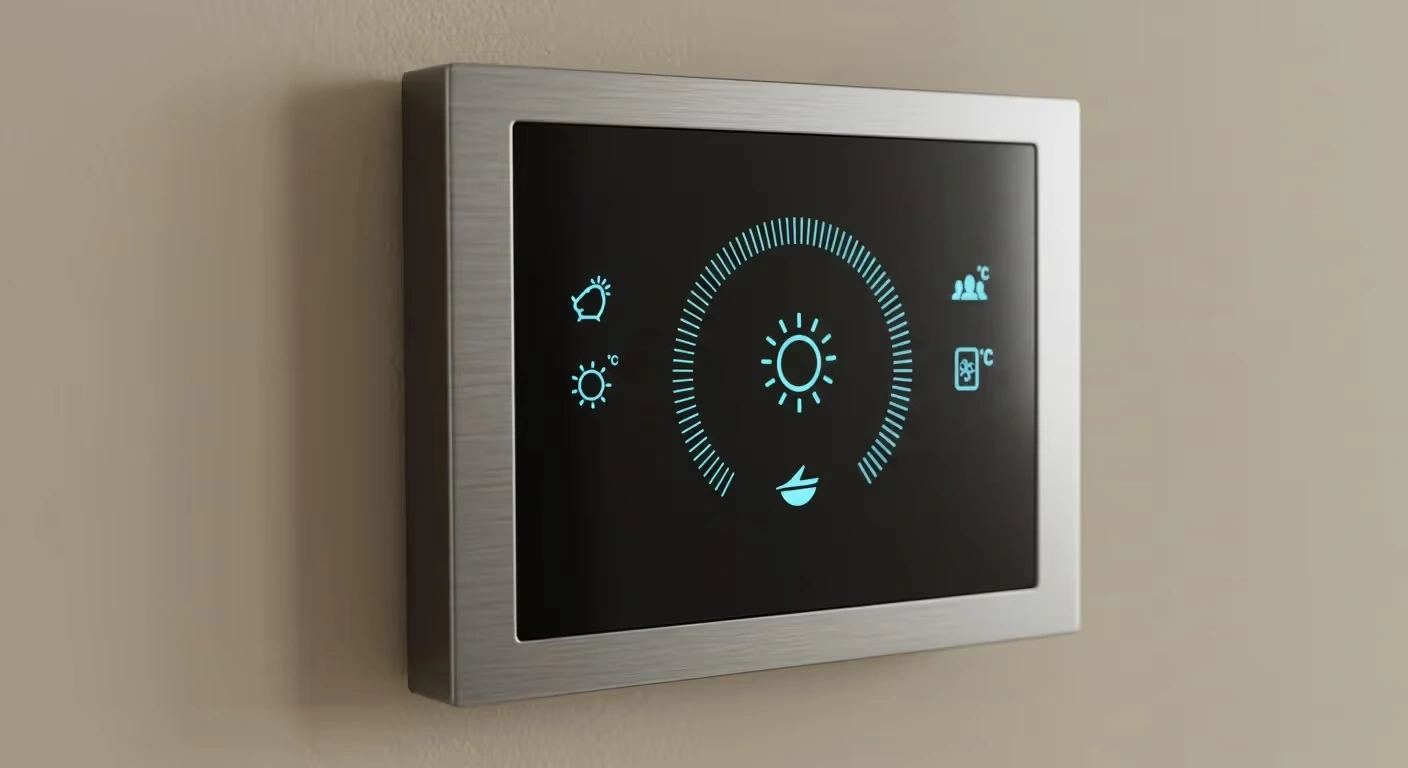
- Intelligent Climate Control: This goes beyond setting a schedule. Smart thermostats utilize remote sensors in different rooms to average temperatures, ensuring comfort throughout the house, not just in the hallway. They integrate with HVAC zoning systems to cool or heat only occupied areas.
- Automated Security and Access: This includes smart locks that can be managed remotely, video doorbells with two-way audio, and window sensors. In an integrated system, unlocking the front door can automatically disarm the security system and adjust the thermostat to a comfort setting.
- Smart Lighting and Shading: Automated lighting creates the illusion of occupancy when you are away, enhancing security. Motorized shades can lower automatically during the hottest part of the day to reduce solar heat gain, lowering the load on your air conditioning unit.
- Safety Monitoring: Connected smoke and carbon monoxide detectors provide alerts directly to your phone, which is critical if a fire starts while the home is empty. Water leak detectors placed near water heaters or washing machines can trigger an automatic water main shutoff to prevent catastrophic flooding.
How the Installation Process Works
Transitioning to a smart home requires a methodical approach to ensure all devices function correctly and securely. Professional installation removes the guesswork of compatibility and wiring. The process is designed to result in a turnkey solution where the homeowner needs only to learn the interface, rather than troubleshoot connections.
Site Assessment and Network Analysis
The process begins with a thorough evaluation of the property. Technicians assess the Wi-Fi signal strength in all areas where devices will be placed, such as exterior corners for cameras or basements for leak detectors. If the signal is weak, mesh network extenders or hardwired access points may be recommended to ensure zero downtime. Existing HVAC wiring is checked for "C-wire" compatibility, which is necessary to power modern smart thermostats continuously.
Hardware Installation and Wiring
Once the design is finalized, physical installation begins. This involves:
- Removing old hardware, such as traditional deadbolts, analog thermostats, and standard switches.
- Running low-voltage wiring where necessary for control panels or cameras that require continuous power rather than batteries.
- Mounting sensors on windows and doors with precision to ensure false alarms are minimized.
- Installing smart dampers in ductwork if zoning integration is part of the climate control package.
Configuration and Programming
The hardware is useless without proper software configuration. Technicians set up the central hub or bridge that connects all devices. This step involves:
- Pairing devices to the central network using secure protocols like Z-Wave, Zigbee, or Matter to prevent interference with your standard Wi-Fi bandwidth.
- Creating "scenes" or automation rules. For example, a "Goodnight" scene might lock all doors, arm the security system, turn off all lights, and lower the temperature by four degrees.
- Setting up geofencing boundaries. This creates a virtual perimeter around your home; when your smartphone enters this zone, the AC ramps up, and the garage door opens. Conversely, when you leave, the system enters energy-saving mode.
User Education and Handoff
The final step is training the homeowner. A powerful system is only effective if the user understands how to operate it. Technicians demonstrate how to use the mobile app, how to override schedules manually, and how to interpret security alerts. Passwords are set up with high-security standards to prevent unauthorized digital access.
When to Upgrade or Replace Existing Systems
Many homes already have some level of automation, perhaps a first-generation smart thermostat or a standalone security camera. However, technology evolves rapidly, and holding onto outdated tech can lead to security vulnerabilities and inefficiency. Recognizing when to overhaul your system is key to maintaining a secure and efficient home.
Incompatibility Between Devices
If your smart lights cannot be triggered by your security cameras, or if your thermostat cannot communicate with your smart blinds, you are missing out on the core benefits of automation. If you find yourself opening three different apps to prepare your home for the night, the system is fractured. A replacement or comprehensive upgrade unifies these devices into a single protocol, allowing for complex automation logic that saves time and energy.
Obsolete Connectivity Protocols
Early smart home devices often relied on proprietary signals or older versions of Wi-Fi that are prone to interference and hacking. If your devices frequently drop their connection or fail to respond to commands, the internal radios may be failing or simply outdated. upgrading to modern devices that support current encryption standards (like WPA3) and mesh networking ensures reliability and data privacy.
HVAC System Replacement
If you are replacing your central heating and cooling unit, it is the ideal time to upgrade your controls. Modern high-efficiency HVAC systems, especially variable-speed units, require communicating thermostats to function at peak efficiency. Using an old thermostat with a new, high-tech AC unit is like putting bicycle tires on a sports car; you simply won't get the performance you paid for. Integrating a new smart control system ensures you extract every bit of efficiency from your HVAC investment.
Increasing Energy Bills
If energy costs are rising despite normal usage, your current control system may be failing to optimize efficiently. Older "programmable" thermostats rely on rigid schedules that do not account for real-time weather or actual occupancy. Upgrading to a system with learning algorithms and geofencing capabilities can result in significant savings by ensuring the HVAC system rarely runs when the house is empty.
Navigating Local Requirements and Climate Factors
Operating a smart home in this region requires specific attention to local climate patterns and regulations. Standard "out-of-the-box" settings often fail to account for the specific environmental stresses found in Texas.
Managing High Humidity and Heat
The climate in Garden Ridge is characterized by hot summers and significant humidity. A smart home system here must prioritize humidity control. Integrated smart thermostats can be programmed to run the air conditioner specifically to dehumidify the air, even if the temperature set point has been met. This prevents the clammy feeling common in homes with oversized AC units. Furthermore, smart integration allows for the installation of ceiling fans that activate automatically when a room is occupied, allowing the thermostat to be set higher without sacrificing comfort, which is crucial during peak summer heat.
Power Reliability and Load Management
With occasional strain on the Texas power grid, energy management is a safety issue, not just a financial one. Smart home integration can include load-shedding capabilities. In the event of a power conservation alert, the system can automatically dim lights, turn off pool pumps, and adjust the thermostat to reduce the home’s electrical footprint, helping to prevent blackouts. For homes with backup generators, smart integration ensures that only essential circuits are powered during an outage.
Permits and Compliance
While minor device swaps like changing a lightbulb do not require oversight, hardwiring smart switches, thermostats, or security panels typically falls under electrical work. Compliance with local building codes in the Garden Ridge area is mandatory to ensure insurance validity and safety. Professional installers handle the necessary permitting for any high-voltage electrical modifications required to power smart home hubs or exterior security lighting, ensuring the work passes all municipal inspections.
Why Professional Integration Matters
The difference between a DIY project and a professional installation lies in the reliability and support of the system. ReliaBee Air, Electric, & Plumbing provides the expertise required to bridge the gap between mechanical systems (HVAC) and digital systems (IT). This intersection is where most DIY attempts fail.
A professional installation comes with the assurance of correct placement. Security cameras are positioned to avoid blind spots and glare; thermostats are placed away from heat sources to ensure accurate readings. Beyond the physical install, the network configuration ensures that your smart home devices do not slow down your personal internet usage for streaming or working from home.
Furthermore, post-installation support is vital. If a firmware update disconnects your thermostat, or if a sensor stops reporting, professional support provides a clear path to resolution. Warranties on labor and equipment protect your investment, ensuring that your home remains smart, secure, and comfortable for years to come.
Take the next step in modernizing your home infrastructure. Secure your property, lower your energy costs, and enjoy the convenience of total home automation.
Smart Home Integration for Lasting Comfort, Security & Efficiency
Modern smart home integration transforms the way Garden Ridge homeowners control comfort, security, and energy usage. By unifying all major devices—HVAC, lighting, security, and monitoring—into a single intelligent ecosystem, you eliminate inefficiencies, reduce costs, and gain real-time control over every critical function of your property. Professional installation ensures reliability, code compliance, and long-term performance, giving you confidence that your home is protected, optimized, and ready for the future.
Ready to take control of your home comfort and security? Contact our team today to start designing your custom smart home integration plan.

Current Offers for
San Antonio Homeowners
Free Plumbing Safety Check


$59 AC Tune-Up
5% OFF FOR SENIORS
5% OFF FOR VETERANS & FIRST RESPONDERS

5% OFF FOR EDUCATORS


What Your Neighbors Are Saying