HVAC Service in Garden Ridge, TX

Unbeatable HVAC Reliability When You Need It Most
Amidst Garden Ridge's unpredictable weather, a sudden HVAC failure can be more than inconvenient; it can be downright disruptive. That's why you need a service that responds swiftly and efficiently, and ReliaBee Air, Electric, & Plumbing is prepared to restore your comfort immediately. Contact us now to schedule a diagnostic visit or to discuss financing options for your system upgrade.
- Same-day service to ensure you're not left in discomfort.
- Expert technicians available 24/7, ready to tackle any HVAC challenge.
- Comprehensive condition analysis to prevent future issues.
All services are fully licensed, with flexible financing available for unexpected expenses.
Comprehensive Diagnostics and Immediate Repair Protocols
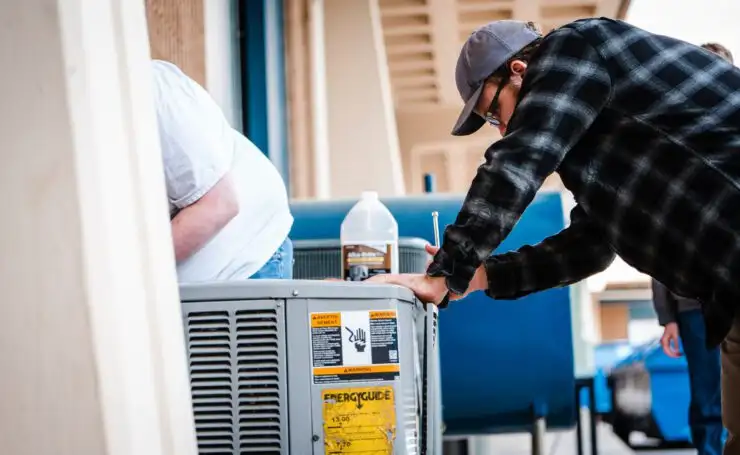
When your climate control system falters, the priority is accurately identifying the root cause rather than applying a temporary bandage. A technician arrives at your property in Garden Ridge fully equipped to handle a wide array of mechanical and electrical failures. The process begins with a thorough diagnostic assessment. This involves checking refrigerant levels, inspecting electrical connections for corrosion or wear, testing the thermostat calibration, and analyzing the airflow through the ductwork.
Modern HVAC systems are complex networks of sensors, motors, and pressure lines. A failure in one area, such as a clogged condensate drain line, can trigger safety switches that shut down the entire unit. Similarly, a failing capacitor might prevent the compressor from starting, leading to a total loss of cooling during the peak of summer. The goal of a professional service visit is to isolate these variables quickly. By utilizing advanced diagnostic tools, technicians can pinpoint whether the issue lies within the condenser unit, the air handler, or the control systems.
Once the issue is identified, you receive a clear explanation of the failure and a direct quote for the repair. Service trucks are stocked with common parts—such as contactors, capacitors, fan motors, and control boards—to facilitate immediate repairs whenever possible. This minimizes downtime and eliminates the frustration of waiting days for a simple component. If the repair involves the refrigerant circuit, certified handling ensures that the system is sealed, tested for leaks, and recharged to the manufacturer’s exact specifications to restore optimal efficiency.
How the Installation and System Replacement Process Works
Replacing a heating and cooling system is a significant logistical operation that requires precise planning and execution. It is not merely swapping one box for another; it is an engineering task designed to maximize comfort and efficiency for the specific dimensions of your home. The process is streamlined to minimize intrusion into your daily life while ensuring the highest standards of installation quality:
Site Evaluation and Load Calculation
- The process initiates with a Manual J load calculation. This engineering standard determines the exact heating and cooling capacity required for your specific square footage, insulation levels, window orientation, and local climate data.
- Technicians assess the condition of existing ductwork to ensure it can handle the airflow of a modern, high-efficiency system. Leaky or undersized ducts are identified for repair or modification.
- Discussion focuses on system types, such as variable-speed compressors, two-stage furnaces, or heat pumps, to match your energy efficiency goals and budget.
Preparation and Safety Measures
- On the day of installation, the crew prepares the workspace by laying down protective coverings for floors and furniture.
- Electrical circuits are disconnected and locked out to ensure safety during the removal of the old equipment.
- Refrigerant from the old unit is recovered into certified cylinders for proper recycling, adhering to environmental regulations and preventing atmospheric venting.
System Removal and Installation
- The old condenser and air handler are disconnected and removed from the property. This includes the responsible disposal of the equipment and any debris.
- The new indoor evaporator coil and furnace or air handler are positioned and leveled. Proper leveling is critical for drainage and quiet operation.
- The outdoor condenser is set on a new composite pad to reduce vibration and prevent sinking into the soil.
- Refrigerant lines are brazed with nitrogen purging to prevent oxidation inside the copper tubing, which protects the new compressor from premature failure.
Final Connections and Commissioning
- Electrical connections are wired to code, including the installation of a new service disconnect box if necessary.
- A new digital or smart thermostat is installed and calibrated to communicate effectively with the new equipment.
- The system is vacuumed to remove moisture and non-condensables from the lines before being charged with refrigerant.
- A complete startup sequence is run to verify static pressure, temperature split, and airflow balance. This ensures the system is operating at its rated efficiency before the crew departs.
Deciding When to Replace Versus Repair
Homeowners often face the difficult decision of whether to invest in another repair or to allocate those funds toward a new system. While repairs are often the most immediate and least expensive option upfront, they can become a financial drain on aging equipment. Making the right choice depends on a combination of the system’s age, the cost of the current repair, and the frequency of past breakdowns:
- The 50% Rule: A general industry standard suggests that if the cost of the repair approaches 50% of the value of the system (or the cost of a new unit), replacement is the smarter financial move. This is particularly true if the warranty has expired.
- System Age and Technology: Heat pumps and air conditioners in Texas typically last between 10 to 15 years, depending on maintenance history. If your unit is over 12 years old and facing a major component failure—like a compressor or heat exchanger—replacement is usually recommended. Older systems often use R-22 refrigerant, which has been phased out and is prohibitively expensive to replace. Upgrading to a system that uses R-410A or newer refrigerants resolves this availability issue.
- Energy Efficiency Gains: Modern systems have significantly higher SEER2 (Seasonal Energy Efficiency Ratio) ratings compared to units manufactured a decade ago. Replacing a 10 SEER unit with a 16 SEER system can result in substantial monthly energy savings, effectively offsetting the monthly cost of a financed installation. New systems often come with 10-year parts warranties, providing a decade of financial predictability that an out-of-warranty unit cannot offer.
- Comfort and Air Quality: If your current system struggles to maintain consistent temperatures, leaves rooms humid, or is excessively noisy, these are signs of mechanical decline that a simple repair may not permanently fix. New systems with variable-speed technology provide superior humidity control and consistent cooling.
Navigating Local Climate and Requirements
Operating HVAC equipment in Garden Ridge presents specific challenges due to the regional climate and local infrastructure. The combination of high heat, significant humidity, and seasonal storms requires systems to be robust and properly protected. Understanding these local factors ensures that your HVAC investment is protected and compliant with all necessary regulations:
- Humidity Management: The high humidity levels in this region can force AC units to work overtime. Systems must be correctly sized; an oversized unit will cool the air too quickly without removing moisture, leading to a "clammy" indoor environment. ReliaBee Air, Electric, & Plumbing ensures precise sizing to handle both sensible heat (temperature) and latent heat (humidity).
- Storm Protection: Spring and autumn often bring severe thunderstorms and flash flooding. Outdoor condenser units should be elevated on pads to protect them from standing water. Additionally, considering surge protectors for the HVAC system is prudent to prevent damage to sensitive control boards during lightning strikes or grid fluctuations.
- Permitting and Codes: Any significant HVAC installation or replacement in the area requires adherence to local building codes. This includes proper electrical wiring standards, breaker sizing, and adherence to energy conservation codes. Professional service providers handle the acquisition of all necessary permits and coordinate required inspections, relieving the homeowner of bureaucratic burdens.
- Winter Preparedness: While winters are generally mild, temperatures do drop near freezing. Heat pumps must have functional defrost boards to prevent ice buildup on the outdoor coil. Routine maintenance in the fall checks these defrost cycles and ensures the auxiliary heat strips are functioning as a backup for the coldest nights.
Why Technical Expertise Matters for Your Home
The difference between a functional system and an optimized system lies in the technical expertise of the service provider. Modern HVAC equipment is sophisticated, relying on complex algorithms to balance energy consumption with comfort. Selecting a provider who prioritizes technical training and adherence to industry standards is crucial for the longevity of your equipment:
- Certifications and Training: Technicians should hold certifications such as NATE (North American Technician Excellence) or EPA Section 608 certification for refrigerant handling. These credentials verify that the individual working on your home understands the physics of thermodynamics and the legal requirements of environmental safety.
- Transparency in Pricing and Scope: A professional approach involves clear, upfront communication. You should receive a detailed breakdown of what work is required and why. There should be no hidden fees or surprise charges after the work has commenced. This transparency extends to explaining the difference between "recommended" upgrades and "critical" repairs.
- Warranty and Guarantees: Reputable service providers stand behind their craftsmanship. This often includes labor warranties that extend beyond the manufacturer’s parts warranty. Knowing that the company will return to fix any installation-related issues without charge provides peace of mind.
- Comprehensive Maintenance Plans: Long-term reliability is best achieved through structured maintenance. Plans that include bi-annual visits to clean coils, check pressures, and clear drains extend the life of the system and maintain manufacturer warranty validity. This proactive approach catches small issues—like a weak capacitor—before they cause a system-wide failure on the hottest day of the year.
Schedule Your Service Now
Ensuring your home remains comfortable requires a partner who understands both the technical demands of the equipment and the specific environmental challenges of the region. From emergency repairs that get your system back online instantly to strategic replacements that lower your energy bills, the focus is always on delivering results. ReliaBee Air, Electric, & Plumbing is committed to providing the technical excellence and reliable service necessary to keep your indoor climate perfect, regardless of the weather outside. Secure your home's comfort today by scheduling your comprehensive HVAC service or system assessment.

Current Offers for
San Antonio Homeowners
Free Plumbing Safety Check


$59 AC Tune-Up
5% OFF FOR SENIORS
5% OFF FOR VETERANS & FIRST RESPONDERS

5% OFF FOR EDUCATORS


What Your Neighbors Are Saying