HVAC Maintenance in Cibolo, TX

Is Your Cooling System Failing to Keep Up with the Heat?
Tired of enduring the sweltering Cibolo heat with a failing AC system? Immediate, professional HVAC maintenance from ReliaBee Air, Electric, & Plumbing can be your solace during the unbearable summer highs; contact us today for priority scheduling or to discuss financing options. Ignoring minor performance dips often leads to catastrophic failure right when the temperature spikes. Securing a maintenance plan now ensures your system operates efficiently, reducing the risk of emergency breakdowns. With ReliaBee Air, Electric, & Plumbing, you benefit from:
- Rapid response times ensuring your comfort is restored swiftly.
- Trusted, certified technicians for reliable and effective service.
- Comprehensive maintenance plans to prevent future issues.
- Licensed and insured work – all service is guaranteed, with flexible financing available to fit your budget.
Immediate HVAC Solutions for Cibolo’s Extreme Weather
The climate in this region puts immense stress on residential cooling equipment. With a humid subtropical climate where summer temperatures consistently reach the upper 90s, your air conditioning unit runs a marathon every single day from late May through September. Without regular intervention, the constant operation degrades internal components, leading to efficiency loss and eventual system failure. Homeowners frequently wait until the air blowing from the vents turns warm before calling a professional. However, the most effective strategy is proactive care. Maintenance is not just about cleaning; it is about calibrating the system to handle the specific humidity and heat load of the local area.
A system that has been tuned up specifically for these conditions will dehumidify your home more effectively and use less energy to maintain your desired setpoint. ReliaBee Air, Electric, & Plumbing focuses on preventative strategies that secure your indoor comfort against the harsh outdoor elements. When heat waves hit, the demand for emergency repairs skyrockets. Establishing a maintenance routine with our team ensures that your equipment is prioritized and prepared, preventing you from waiting in line during peak service times.
What You Get Today: Quick Service and Reliable Performance
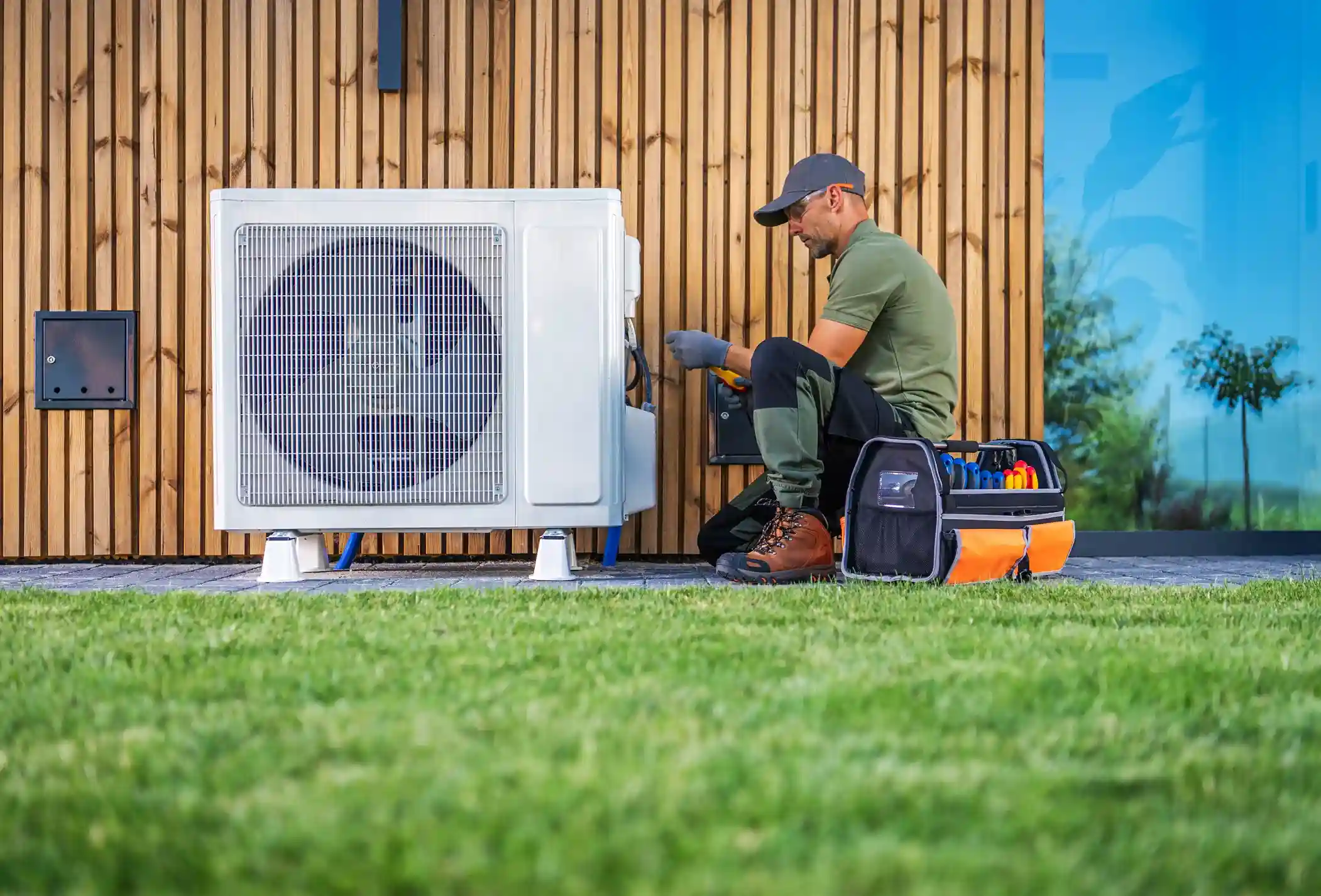
When you schedule a professional maintenance visit with ReliaBee Air, Electric, & Plumbing, the objective is to restore the unit to factory specifications. This goes beyond a simple visual inspection. You receive a thorough restoration of the system’s vital functions, ensuring that every cycle cools your home as intended.
- Restored Energy Efficiency: Dust and debris on coils act as insulation, preventing heat transfer. Cleaning these surfaces allows the system to cool air faster using less electricity.
- Extended Equipment Lifespan: Reducing the strain on motors and compressors prevents premature burnout. A well-oiled machine faces less friction and wear.
- Improved Air Quality: Clearing out biological growth in the condensate pan and dust in the blower compartment prevents these particulates from circulating through your ductwork.
- Reduced Breakdown Risk: Identifying a weak capacitor or a frayed wire today prevents a complete system shutdown tomorrow.
The service provided by ReliaBee Air, Electric, & Plumbing focuses on tangible improvements. You will notice quieter operation, more consistent airflow, and lower utility bills. The goal is to maximize the investment you have already made in your HVAC hardware.
Understanding Our HVAC Maintenance Process
A comprehensive tune-up involves a systematic check of the entire heating and cooling apparatus. This process is designed to uncover hidden issues that a homeowner might miss. Our professional technicians at ReliaBee Air, Electric, & Plumbing utilize specialized diagnostic tools to measure pressures, temperatures, and electrical readings.
Thermostat Calibration
The process begins at the control center. Technicians ensure the thermostat reads the indoor temperature accurately and communicates correctly with the air handler and condenser. If the calibration is off, the system may run longer than necessary or short-cycle, both of which waste energy.
Electrical Connection Tightening
Vibration from the unit’s operation can loosen electrical connections over time. Loose wires cause resistance, which leads to heat buildup and can burn out terminals or start fires. All connections are inspected and tightened to ensure safety and consistent voltage delivery.
Lubrication of Moving Parts
Motors and fans require precise lubrication to operate smoothly. Lack of lubrication increases friction, forcing the motor to work harder and increasing the amount of electricity required. This step eliminates grinding noises and protects the motor from overheating.
Condensate Drain Line Cleaning
In humid environments like Cibolo, the AC removes a significant amount of moisture from the air. This water drains out through a condensate line. Over time, algae and mold can clog this line, causing water to back up and trigger safety switches that shut off the unit—or worse, cause water damage to the home. Clearing this line is a critical maintenance step.
Coil Cleaning and Inspection
The evaporator and condenser coils are the heart of the heat exchange process. If the condenser coil (outside) is clogged with dirt, grass clippings, or pollen, it cannot release heat effectively. If the evaporator coil (inside) is dirty, it cannot absorb heat. Both scenarios cause the compressor to run at higher pressures, significantly shortening its life.
Refrigerant Level Check
Technicians measure the refrigerant charge. If the levels are too low, it indicates a leak that must be repaired. If they are too high, the system will not cool efficiently. Proper refrigerant charge is essential for the longevity of the compressor and the cooling capacity of the unit.
Deciding Between HVAC Repair and Replacement in Cibolo
One of the most difficult decisions homeowners face is knowing when to stop repairing an aging unit and invest in a new one. While maintenance extends the life of the system, there is a point of diminishing returns. Understanding the criteria for this decision can save thousands of dollars in the long run.
The 50% Rule
If the cost of a repair approaches 50% of the value of a new system, replacement is generally the better financial option. Investing heavily in an old unit that is likely to break down again soon is rarely cost-effective.
System Age and R-22 Freon
Systems older than 10 to 15 years are reaching the end of their expected service life. Additionally, older units often utilize R-22 refrigerant (Freon), which has been phased out. Repairs involving R-22 are becoming prohibitively expensive due to scarcity. If your older unit has a refrigerant leak, upgrading to a modern system using R-410A or newer refrigerants is usually the wisest choice.
Frequency of Breakdowns
If you require repairs more than once a season, the system has become unreliable. The cumulative cost of service calls, parts, and the inconvenience of downtime often outweighs the monthly cost of financing a new, high-efficiency unit.
Efficiency Ratings (SEER)
Older units may have SEER (Seasonal Energy Efficiency Ratio) ratings of 10 or 12. Modern standards require higher efficiency. Upgrading to a 16+ SEER unit can reduce cooling costs by 30% to 50%. In a hot climate, these energy savings can offset the installation cost over a few years.
Comfort Consistency
If some rooms are always hot while others are freezing, or if the unit runs constantly without reaching the set temperature, it may be undersized or the compressor may be failing. New systems, especially those with variable-speed technology, provide superior humidity control and consistent temperatures throughout the home. ReliaBee Air, Electric, & Plumbing can help you evaluate all of these factors and recommend the most cost-effective path forward.
Local Regulations and Seasonal Tips for Cibolo Residents
Operating HVAC equipment in Texas requires adherence to specific standards to ensure safety and efficiency. The Texas Department of Licensing and Regulation (TDLR) oversees the HVAC industry in the state. Ensuring that your technician holds a valid license is the first step in protecting your property.
Permit Requirements
While routine maintenance generally does not require a permit, significant repairs or system replacements do. Licensed professionals handle the permitting process, ensuring that all work meets local building codes. This is crucial for insurance purposes and future home sales.
Managing High Humidity
The local area is prone to high humidity levels. An AC unit does double duty: cooling air and removing moisture. If your system is short-cycling (turning on and off too quickly), it cools the air but doesn't run long enough to dehumidify. Regular maintenance checks for proper airflow and charge to ensure the unit runs long enough to pull moisture out of the air.
Filter Discipline
During the peak of summer, standard 1-inch filters should be checked monthly. The high particulate matter in the air, combined with continuous system operation, loads filters quickly. A clogged filter restricts airflow, which can freeze up the evaporator coil and damage the compressor.
Landscape Clearance
Vegetation grows rapidly in this climate. Ensure that shrubs, grass, and debris are cleared at least two feet away from the outdoor condenser unit. This allows for adequate airflow around the coils, preventing the system from overheating. ReliaBee Air, Electric, & Plumbing adheres strictly to all local codes and manufacturer guidelines, ensuring your system remains compliant and safe throughout its operational life.
Certified Excellence in HVAC Services
The quality of the technician performing the work is just as important as the brand of the equipment. Modern HVAC systems are complex machines involving high-voltage electricity, pressurized gases, and combustion elements. Entrusting this machinery to untrained hands is a liability.
Technical Expertise
Top-tier service providers, like ReliaBee Air, Electric, & Plumbing, employ technicians who undergo rigorous training and certification processes. This ensures they can diagnose complex issues accurately rather than guessing and swapping parts unnecessarily. Understanding thermodynamics and electrical circuitry allows for precise tuning that improves system performance.
Warranty Protection
Most equipment manufacturers require proof of annual maintenance to keep warranties valid. If a compressor fails five years into a ten-year warranty, the manufacturer may deny the claim if there is no record of professional care. Certified technicians provide the documentation needed to protect your warranty coverage.
Safety Protocols
HVAC maintenance involves checking for gas leaks in furnaces and ensuring electrical components are safe. Professionals are trained to identify cracked heat exchangers, which can leak carbon monoxide, and faulty wiring that poses fire risks. Safety checks are a standard part of every maintenance visit.
Tooling and Diagnostics
Professional maintenance requires more than a screwdriver. Techs utilize combustion analyzers, digital manifolds, and psychrometers to measure system performance against engineering standards. These tools allow for a level of precision that ensures the system operates exactly as designed.
Your Comfort Matters—Secure Reliable Cooling Today
With Cibolo’s extreme temperatures and demanding climate, staying ahead of HVAC issues is essential. Trusting your system to professionals ensures long-lasting comfort, lower energy bills, and dependable performance when it matters most. ReliaBee Air, Electric, & Plumbing is committed to safeguarding your home with expert maintenance, precision care, and service you can rely on year-round.
Call ReliaBee Air, Electric, & Plumbing today to schedule your HVAC maintenance and enjoy uninterrupted comfort—no matter how high the temperatures rise.

Current Offers for
San Antonio Homeowners
Free Plumbing Safety Check


$59 AC Tune-Up
5% OFF FOR SENIORS
5% OFF FOR VETERANS & FIRST RESPONDERS

5% OFF FOR EDUCATORS


What Your Neighbors Are Saying