EV Charger Installation in Cibolo, TX

Need Quick EV Charger Installation at Home?
Finding the right installer for your electric vehicle charger can be daunting, especially when trying to navigate varying local electrical regulations and installation costs in Cibolo, TX. ReliaBee Air, Electric, & Plumbing simplifies the process with certified professionals ready to handle your high-voltage electrical needs immediately—call us or contact us online to schedule your estimate.
Relying on a standard wall outlet to charge a modern electric vehicle is rarely sustainable for daily driving, and attempting a DIY installation carries significant safety risks. We provide a streamlined solution that upgrades your home’s charging capabilities safely and effectively.
- Experienced installers ensure efficient setup and full code compliance.
- Transparent pricing with no hidden fees or unexpected costs.
- Quick turnaround times to get your vehicle on the road faster.
All installations come with a warranty and hassle-free permit handling to ensure your system is safe and approved.
Efficient and Reliable EV Charger Installation
Driving an electric vehicle offers convenience and performance, but the experience relies heavily on how quickly and safely you can power the vehicle at home. Many new EV owners in the area initially attempt to rely on "Level 1" charging, which utilizes a standard 120V household outlet. While this requires no installation, it is often frustratingly slow, adding only 3 to 5 miles of range per hour of charging. This creates a "range anxiety" problem for daily commuters who cannot wait 12+ hours for a partial charge. The solution is a professional installation of a Level 2 charging station, which significantly reduces downtime and maximizes the utility of your vehicle.
A proper installation involves more than just mounting a box to the wall. It requires a dedicated 240-volt circuit, similar to what powers an electric dryer or oven, but designed to handle continuous high-amperage loads for several hours at a time. This high-demand environment necessitates precise load calculations to ensure your home’s main electrical panel can handle the additional draw without tripping breakers or causing fire hazards. Whether you are installing a Tesla Wall Connector, a ChargePoint Home Flex, or another universal EVSE (Electric Vehicle Supply Equipment), the integrity of the wiring behind the wall is just as important as the charger itself.
We focus on delivering a robust infrastructure for your vehicle. This includes running appropriate conduit, selecting the correct gauge of wire based on distance and amperage, and installing the necessary safety disconnects. By upgrading to a Level 2 station, you effectively transform your garage or driveway into a personal fueling station capable of fully charging most EVs overnight. This service eliminates the dependency on public charging infrastructure, which can be unreliable or inconveniently located.
What to Expect: Installation Process and Timeline
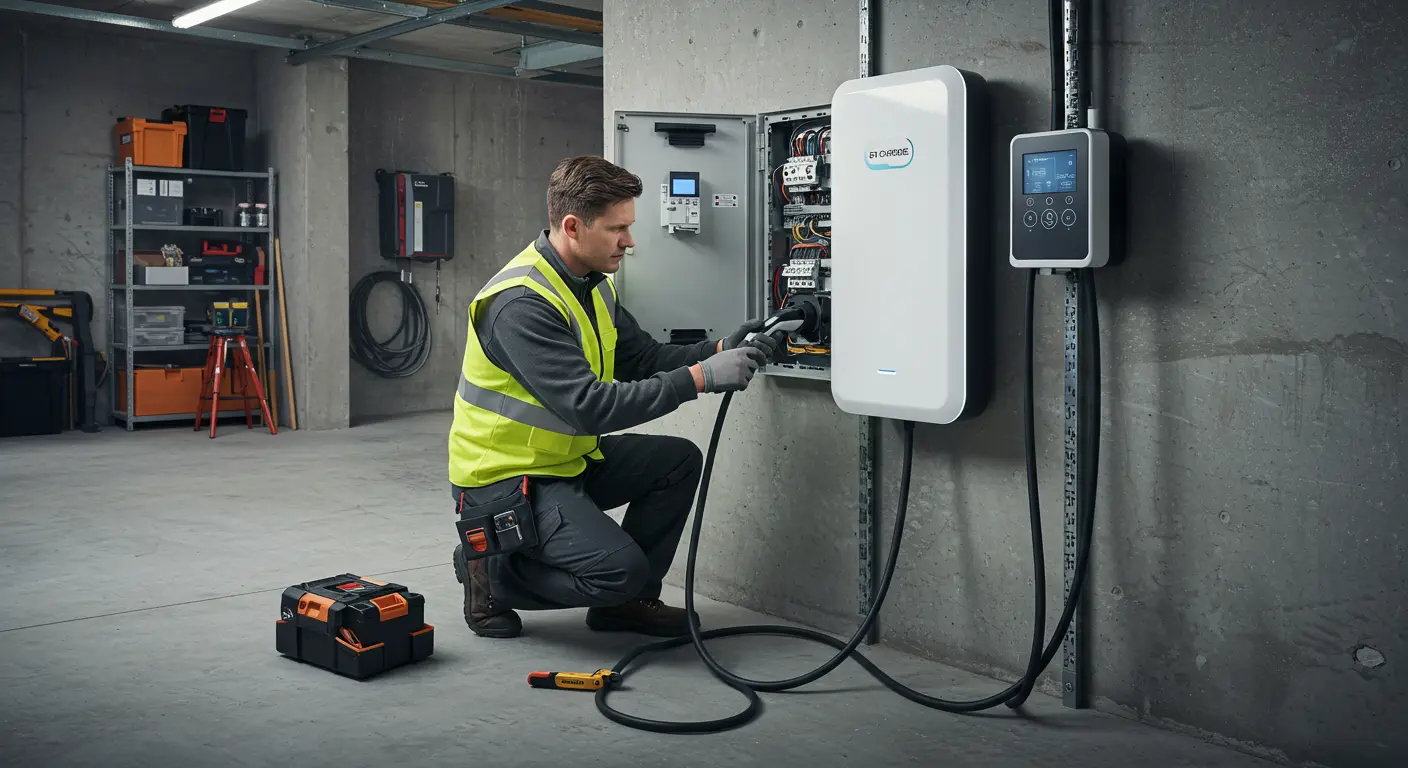
When you decide to move forward with a Level 2 charger, clarity regarding the scope of work is essential. The process is designed to be minimally invasive to your daily routine while adhering to strict safety standards. The physical installation is generally completed within a single day, provided the existing electrical service is adequate.
The scope of work typically involves assessing the distance from your main electrical panel to the desired parking location. This distance dictates the cost of materials, as longer runs of heavy-gauge copper wire increase the complexity of the job. Technicians will determine the best path for the conduit—whether it runs through an attic, along the exterior of the house, or through interior walls.
- Load Calculation: Before any wire is run, a calculation is performed to see if your current electrical service (usually 100, 150, or 200 amps) has the "headroom" for an additional 30 to 60 amps.
- Circuit Installation: A new double-pole circuit breaker is installed in your main panel. This breaker protects the specific circuit dedicated to the EV charger.
- Hardwire vs. Plug-in: You can choose between a hardwired connection (direct wire into the unit) or installing a NEMA 14-50 outlet. Hardwired units are generally preferred for outdoor use and higher charging speeds, as they have fewer failure points than receptacles.
- Mounting and Setup: The charging unit is securely mounted to a stud or masonry wall. If it is a smart charger, technicians assist with the initial Wi-Fi setup to ensure the unit communicates with your smartphone app.
Most homeowners can expect to be charging their vehicle the same evening the installation takes place. The focus is on leaving the workspace clean and ensuring the equipment operates at peak efficiency before the technician departs.
Your Installation Journey: Step-by-Step Guide
Understanding the workflow helps eliminate confusion and ensures you are prepared for the installation day. The journey moves from an initial assessment to a fully functional system with a focus on safety and long-term reliability.
- Site Assessment: The first step is evaluating your home's electrical capacity and the physical layout of the garage or driveway in Cibolo. This determines if a panel upgrade is necessary or if a sub-panel is required to accommodate the new breakers.
- Selection of Equipment: If you have not already purchased a charger, recommendations are provided based on your vehicle's acceptance rate (how fast it can take power) and your daily driving habits. Universal chargers are often suggested for households that may own different brands of EVs in the future.
- Permitting and Approval: Professional installers handle the administrative burden of pulling necessary electrical permits. This step is non-negotiable for safety and insurance purposes, ensuring the local municipality verifies the work meets the National Electrical Code (NEC).
- Wiring and Conduit Run: Technicians route the wiring from the panel to the charging location. This is done with aesthetics and protection in mind, using rigid or flexible conduit to shield the wires from physical damage or environmental exposure.
- Termination and Testing: Once connected, the system undergoes rigorous testing. This includes checking voltage levels, ground continuity, and testing the GFCI (Ground Fault Circuit Interrupter) protection features built into the breaker or the charging unit.
- Demonstration: Finally, the technician demonstrates how to operate the unit, interpret the LED status lights, and manage charging schedules to take advantage of off-peak electricity rates if available.
Choosing Between New Installation and Upgrades
Homeowners often face a choice between installing a brand-new dedicated circuit or trying to repurpose an existing outlet. While some garages have a pre-existing 240V outlet for a welder or dryer, these are rarely positioned correctly for charging a vehicle and may not be rated for the continuous duty cycle an EV requires.
ReliaBee Air, Electric, & Plumbing advises on when a completely new installation is the safer and more efficient route compared to retrofitting old wiring.
When to Install New:
- dedicated Circuit Requirements: EV chargers perform best on a dedicated circuit where no other appliances share the load. Sharing a circuit can lead to nuisance tripping and interrupted charging sessions.
- Higher Amperage Needs: If you want to charge at 48 amps (roughly 11.5 kW), you generally need a hardwired connection on a 60-amp breaker. Standard dryer outlets (NEMA 10-30 or 14-30) typically only support 24 amps of continuous charging, which is significantly slower.
- Outdoor Charging: If you park in the driveway, you need a hardwired, weather-rated installation. Receptacles outdoors require expensive GFCI breakers and weatherproof "in-use" covers that can be prone to failure in harsh weather.
When to Upgrade Your Panel:
- Service Capacity Limits: If your home has a 100-amp service and you have electric appliances (AC, oven, dryer, water heater), adding a 50-amp EV load might overload the main breaker. In this scenario, a "service upgrade" to 200 amps or a "load management device" is necessary to install the charger safely.
- Space Constraints: If your breaker box is physically full, technicians may need to install a sub-panel or use tandem breakers to create space for the new dedicated EV circuit.
Navigating Local Requirements: Permits and Seasons
Installing high-voltage equipment involves strict adherence to regional codes and an understanding of the local environment. In Cibolo, regulations ensure that heavy electrical loads do not compromise the safety of the grid or the residence.
Permits and Inspections:
Electrical work of this magnitude requires a permit from the local building department. This is a critical protection for the homeowner. It creates a paper trail proving the work was done by a licensed professional, which is vital for home insurance coverage and future real estate transactions. Unpermitted work can lead to denied insurance claims in the event of an electrical fire. We manage this entire process, submitting the required load calculations and diagrams to the city so you don't have to navigate municipal paperwork.
Climate Considerations:
The local climate brings specific challenges to EV charger longevity, particularly for outdoor installations.
- Heat Management: Summers here frequently see temperatures soaring into the 90s and peaking over 100°F. Electronics degrade faster in extreme heat. When installing chargers outdoors or in uninsulated garages, it is crucial to select units with high operating temperature ratings (NEMA 4 or 4X enclosures). We also advise on placement to avoid direct afternoon sunlight, which can cause the charger to "thermal throttle," slowing down charging speeds to protect its internal components.
- Moisture and Rain: With seasonal rainfall peaking in late spring and early fall, outdoor connections must be watertight. Hardwired connections are superior here, as they eliminate the plug interface where moisture ingress is most likely to occur.
- Grid Load: During peak summer heat, the local electrical grid is under high stress from air conditioning demand. Installing smart chargers allows you to schedule charging sessions for off-peak hours (usually overnight), which reduces strain on the local grid and can lower utility costs if you are on a time-of-use plan.
Why Choose Us: Certification and Local Expertise
The shift to electric mobility is a significant investment in your home and your vehicle. Entrusting the installation to general handymen or unqualified technicians jeopardizes that investment. The electrical demands of an EV are unlike any other appliance in your home; it draws maximum power for hours on end, stressing connections that would otherwise be fine for intermittent use.
We prioritize safety and durability above all else. Our technicians are trained on the specific requirements of major EV brands, including Tesla, Ford, Rivian, and Chevrolet. We understand the nuances between different NEMA plug types and the benefits of hardwiring for higher amperage. We do not cut corners on wire gauge or conduit quality, ensuring your system runs cool and efficient for years to come.
Furthermore, we are deeply familiar with the housing stock in Cibolo, from new construction needing simple loop installations to older homes requiring panel modernization. We treat every home with respect, ensuring clean conduit runs and leaving the workspace spotless.
Power Your EV the Right Way With Professional Charger Installation
A dependable home charging setup is essential for a smooth electric-vehicle experience—especially in Cibolo’s demanding climate. With precise load calculations, code-compliant installation practices, and expert handling of high-voltage equipment, ReliaBee Air, Electric, & Plumbing ensures your EV charger is installed safely, efficiently, and built to last. From panel evaluations to final testing, our team delivers a seamless process that gives you faster charging, greater convenience, and long-term peace of mind.
Transitioning to electric driving should be exciting, not stressful. Ensure your vehicle is powered safely and reliably every morning. Contact ReliaBee Air, Electric, & Plumbing today to secure your installation and take full control of your charging experience.

Current Offers for
San Antonio Homeowners
Free Plumbing Safety Check


$59 AC Tune-Up
5% OFF FOR SENIORS
5% OFF FOR VETERANS & FIRST RESPONDERS

5% OFF FOR EDUCATORS


What Your Neighbors Are Saying