Ceiling Fan Installation in Cibolo, TX

Facing Ceiling Fan Issues? Get a Quick, Professional Installation
Summers in Cibolo can be unbearably hot, and a well-functioning ceiling fan is essential for maintaining a livable home environment. If your current fan isn't up to the task, or you need a new unit fitted to combat the rising humidity, contact us to schedule an immediate installation.
A stagnant room in the middle of July is more than just an inconvenience; it can drive up your energy bills as your air conditioner works overtime to compensate for the lack of airflow. Proper air circulation is the key to balancing indoor temperatures. We provide fast, expert installation services to get your air moving efficiently again.
- Enjoy refreshed indoor comfort within the same day.
- Licensed electricians ensure safe and efficient installation.
- Emergency services available for immediate needs.
All installations are fully licensed, meeting local codes and standards, with flexible financing options available.
What to Expect From Professional Ceiling Fan Services
When you schedule a professional installation, you are paying for more than just physical labor; you are securing electrical safety and structural integrity. Installing a ceiling fan involves working with residential wiring, understanding load-bearing requirements, and ensuring the unit is balanced perfectly to prevent noise and wobbling. A professional service ensures that every aspect of the job is handled according to strict safety protocols.
Residents in Cibolo typically require a range of fan configurations depending on the architecture of their home. Whether you are upgrading a bedroom with a standard mount or need a downrod installation for vaulted living room ceilings, the service covers the assembly, mounting, and electrical integration. This also extends to outdoor living spaces, which are vital for Texas homes. Installing damp-rated or wet-rated fans on patios requires specific knowledge of weatherproofing electrical connections to prevent shorts and corrosion.
The scope of service generally includes the removal of existing fixtures, inspection of the junction box, full assembly of the new unit, and testing of all controls. If your home requires new wiring to a location that previously had no fixture, or if you are converting a standard light fixture to a fan, the electrical scope expands to ensure the circuit can handle the amperage. You receive a fully functional, silent, and safe appliance that is ready to operate the moment the technician leaves.
How the Installation Process Works
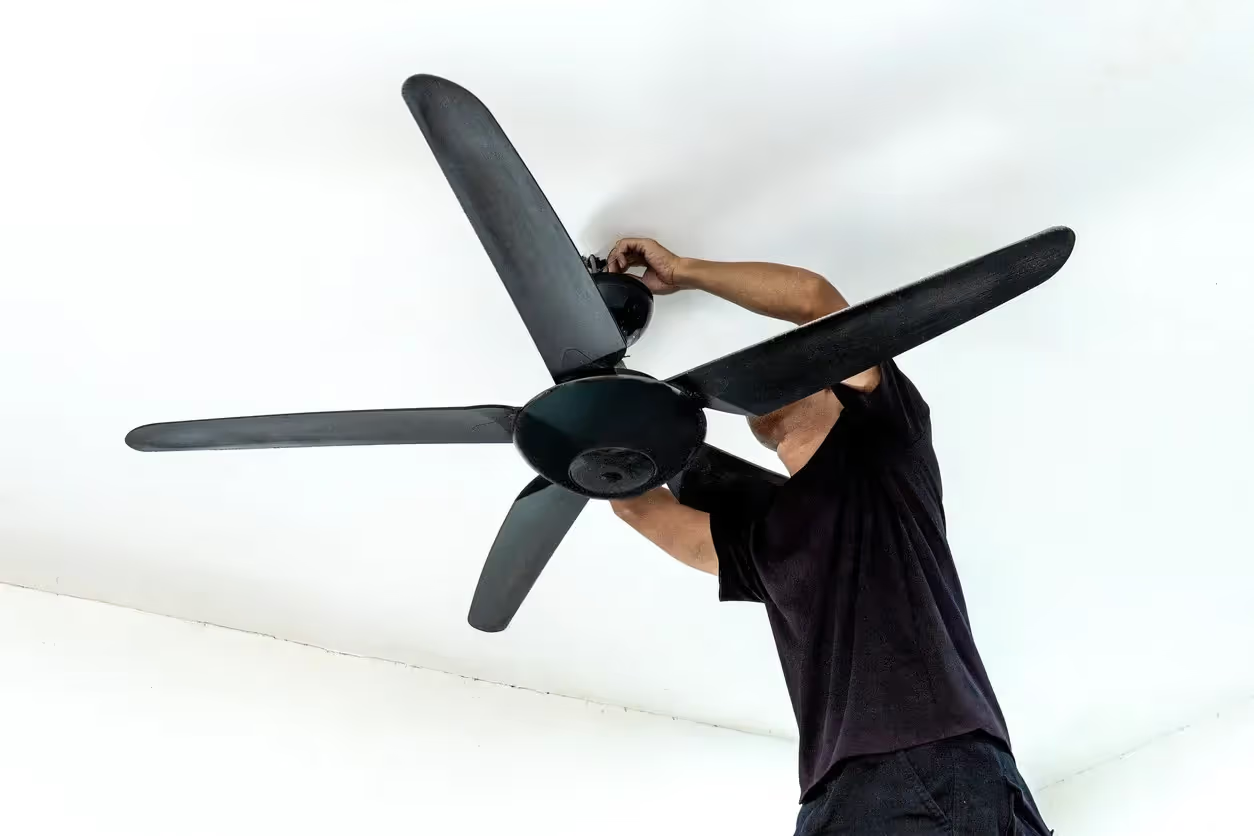
Understanding the steps involved in a professional installation helps you prepare your home and sets expectations for the service visit. A methodical approach ensures that nothing is overlooked, from the strength of the ceiling support to the final balance of the blades.
- Site and Safety Inspection: The process begins with shutting off power to the circuit at the breaker panel to ensure complete safety. The technician then inspects the existing electrical box in the ceiling. This is a critical step because standard light fixture boxes are often not rated to support the weight and vibration of a ceiling fan. If the box is insufficient, it must be replaced with a heavy-duty, fan-rated brace or box to prevent the fan from falling.
- Wiring and Connections: Once the mounting hardware is secure, the electrical connections are made. This involves connecting the ground, neutral, and hot wires using the appropriate gauge connectors. If the fan includes a light kit or operates on a dual-switch system (one for the light, one for the fan), the wiring is adjusted accordingly to ensure independent control. For homes without separate wall switches, remote control receivers are wired directly into the canopy of the fan.
- Motor Assembly and Mounting: The motor housing is lifted and secured to the mounting bracket. This is the heaviest part of the installation and requires precision to ensure it hangs plumb. If the ceiling is sloped, a specific ball-and-socket mounting system is used to allow the fan to hang naturally without hitting the slope.
- Blade Attachment and Balancing: The fan blades are attached to the motor using secure brackets. Once assembled, the technician runs the fan at the highest speed to check for wobbling. If the fan wobbles, balancing clips and weights are applied to specific blades to redistribute the weight and ensure a smooth, silent rotation.
- Final Testing and Cleanup: The installation concludes with a full test of all fan speeds, the reverse function, and the lighting kit. The technician ensures the wall switches or remotes are communicating correctly with the unit. Finally, all packaging and old materials are cleared away, leaving the space clean and comfortable.
When to Replace vs. Repair Your Ceiling Fan
Deciding whether to repair an aging unit or invest in a replacement is a common dilemma for homeowners. While some issues are minor, others indicate that the internal components have reached the end of their lifespan. In many cases, the cost of parts and labor to fix an old fan approaches or exceeds the cost of installing a modern, energy-efficient model.
- Motor Failure or Humming: If your fan emits a loud humming or buzzing sound that does not go away after running for a few minutes, it often indicates a failing capacitor or motor bearings. While capacitors are cheap, a seized motor or bad bearings usually render the unit scrap. If the motor housing is hot to the touch, it is an electrical hazard and should be replaced immediately.
- Severe Wobbling: Minor wobbles can often be fixed with balancing. However, if a fan shakes violently despite balancing efforts, it may suggest that the mounting bracket is loose, the downrod is bent, or the motor shaft is damaged. If the unit is old, this structural instability is a safety risk. Replacement ensures you have a secure, fan-rated mounting system.
- Diminished Airflow: Over time, motors lose their torque and spin slower, even on high settings. If you can stand directly under the fan and barely feel a breeze, the motor is no longer efficient. Modern fans are designed with steeper blade pitches and better motors that move significantly more cubic feet of air per minute (CFM) while using less electricity.
- Outdated Controls and Lighting: Older fans often lack the convenience of remote controls or smart home integration. If you want the ability to dim lights, change speeds from your couch, or integrate the fan with your home automation system, replacement is the only path. Additionally, newer fans come with integrated LED lighting, which offers better illumination and energy savings compared to the incandescent candelabra bulbs found in older models.
ReliaBee Air, Electric, & Plumbing recommends evaluating the age of the fan; if it is over 10 years old and exhibiting performance issues, replacement is almost always the more economical and safer choice.
Local Considerations for Cibolo Installations
Operating in Cibolo requires specific attention to regional factors that influence how ceiling fans perform and how they must be installed. The climate and local building codes play a significant role in the selection and installation process.
- High Humidity and Blade Warping: The humidity levels in the region can take a toll on indoor fixtures. Standard particleboard blades can absorb moisture over time, causing them to droop or warp. This imbalance leads to noise and premature motor wear. For this area, choosing fans with ABS plastic or sealed wood blades is often recommended to maintain longevity.
- Permitting and Electrical Codes: Texas has strict electrical safety codes. Any work that involves running new lines, altering circuits, or installing new junction boxes typically requires a licensed professional to ensure compliance. This is particularly important for insurance purposes; unpermitted electrical work can lead to denied claims in the event of a fire.
- Ceiling Height Regulations: Building codes dictate that fan blades must be a minimum of 7 feet above the floor for safety. For homes with lower ceilings, "hugger" or flush-mount fans are required. Conversely, many newer homes in the area feature high vaulted ceilings. In these cases, specific downrod lengths are necessary to position the fan at the optimal height for air circulation—usually 8 to 9 feet from the floor.
- Outdoor Living Requirements: Because outdoor patios are frequently used in this area, differentiating between "damp-rated" and "wet-rated" is crucial. Damp-rated fans are suitable for covered porches where the fan is not directly exposed to rain. If the fan is in a pergola or exposed area, a wet-rated fan is legally and functionally required to prevent electrical shorts during storms.
Why Professional Electrical Work is Non-Negotiable
While ceiling fan installation is often marketed as a DIY project by big-box stores, the reality involves handling live voltage at the top of a ladder. The risks associated with improper installation are significant and extend beyond just the fan not working.
- Structural Support: The most common failure point in amateur installations is the junction box. A ceiling fan can weigh anywhere from 15 to 50 pounds, and when in operation, the torque and vibration apply dynamic loads to the ceiling. A standard plastic light box will eventually crack and fail, causing the fan to fall. Professionals verify that the brace bar is anchored to the ceiling joists, not just the drywall.
- Electrical Fire Hazards: Loose wire connections result in arcing, which creates intense heat and can melt wire insulation. This is a primary cause of electrical fires inside ceilings. A licensed electrician uses proper torque on wire nuts and secures connections to prevent arcing. They also ensure the circuit is not overloaded, which is common in older homes where multiple high-wattage appliances might share a breaker.
- Warranty Protection: Most fan manufacturers offer limited lifetime warranties on their motors. However, the fine print almost always states that the warranty is void if the unit is not installed by a licensed professional. By hiring a pro, you protect your investment and ensure that if the fan fails prematurely, you have the documentation needed to claim a replacement.
Selecting the Right Fan for Your Space
The effectiveness of a ceiling fan is determined by how well it matches the room's dimensions. Installing a fan that is too small for a room will result in zero perceptible cooling, while a fan that is too large can create an uncomfortable wind tunnel effect and look visually overwhelming.
- Room Size to Blade Span Ratio: For small rooms (up to 75 square feet), such as bathrooms or small home offices, a 29 to 36-inch fan is appropriate. Medium rooms (up to 144 square feet) require a 36 to 42-inch fan. Standard bedrooms and living areas (up to 225 square feet) generally need a 50 to 54-inch fan. For large open-concept areas or great rooms, fans ranging from 60 inches to over 80 inches are necessary to move air effectively to the corners of the room.
- Motor Quality and CFM: Not all fans are created equal. The Cubic Feet per Minute (CFM) rating tells you how much air the fan moves. A high-quality fan will have a steep blade pitch (12 to 15 degrees) and a heavy-duty motor to push that air. Cheaper fans often have flat blades (10 degrees or less) to reduce strain on a weak motor, resulting in noise without airflow.
- Control Systems: Consider how you want to interact with your fan. Wall controls are the most reliable and ensure you never lose the remote. Handheld remotes offer convenience for bedroom installations. Smart fans that connect to Wi-Fi allow you to set schedules, helping to circulate air before you even arrive home, which aids in managing the cooling load on your HVAC system.
Secure Your Comfort and Safety Today
A properly installed ceiling fan transforms the comfort level of a room, reducing reliance on air conditioning and providing a gentle breeze during the sweltering heat. The difference between a noisy, wobbling fixture and a silent, efficient appliance lies in the quality of the installation. Don't risk safety or settle for poor performance.
Ensure your home is cool, safe, and up to code. Trust the experts at ReliaBee Air, Electric, & Plumbing to handle the heavy lifting, wiring, and balancing. We provide the expertise needed to get the job done right the first time.
Ready to improve your home’s airflow? Contact us now to schedule your professional ceiling fan installation.

Current Offers for
San Antonio Homeowners
Free Plumbing Safety Check


$59 AC Tune-Up
5% OFF FOR SENIORS
5% OFF FOR VETERANS & FIRST RESPONDERS

5% OFF FOR EDUCATORS


What Your Neighbors Are Saying