HVAC Repair in Windcrest, TX

When your air conditioning fails during a sweltering July afternoon or your heater gives out on a near-freezing January night, the disruption goes beyond simple inconvenience; it compromises the safety and livability of your home. You need a responsive team in Windcrest that can diagnose the failure accurately and restore your system’s functionality without unnecessary delays. Contact us immediately to schedule a diagnostic visit or inquire about financing options to get your system running today.
- Receive same-day service that prioritizes restoring your home’s temperature control.
- Access available rebates on energy-efficient units to lower upfront costs and monthly bills.
- Rely on 24/7 emergency support so you are never left vulnerable to extreme weather conditions.
All repair and installation services comply strictly with local building codes and offer transparent financing options for your peace of mind.
Immediate HVAC Repairs to Overcome Weather Extremes
The climate in this region puts immense stress on residential heating and cooling equipment. With summer highs frequently exceeding 90°F and peaking around 95°F, your air conditioner operates under a heavy load for months at a time. Conversely, while winters are generally mild, lows in the 40s mean your heating element must be ready to engage instantly. When these systems falter, humidity levels inside the home can skyrocket, leading to discomfort and potential moisture damage to your property.
ReliaBee understands that a broken HVAC system is an urgent situation. The primary objective is to identify the root cause of the breakdown rather than simply patching the symptom. Issues often stem from overworked compressors, failing capacitors due to heat stress, or refrigerant leaks that freeze up evaporator coils. In older units, the transition from cooling to heating seasons can expose cracked heat exchangers or faulty ignition sensors.
Addressing these issues immediately prevents minor component failures from cascading into catastrophic system damage. A strange noise from the outdoor condenser or weak airflow from the vents serves as an early warning. Ignoring these signs often leads to higher energy consumption as the unit struggles to reach the set temperature, ultimately resulting in a complete system lockout. Professional intervention restores the delicate balance of airflow, pressure, and temperature regulation required for a comfortable indoor environment.
Fast Service and Transparent Pricing: What to Expect
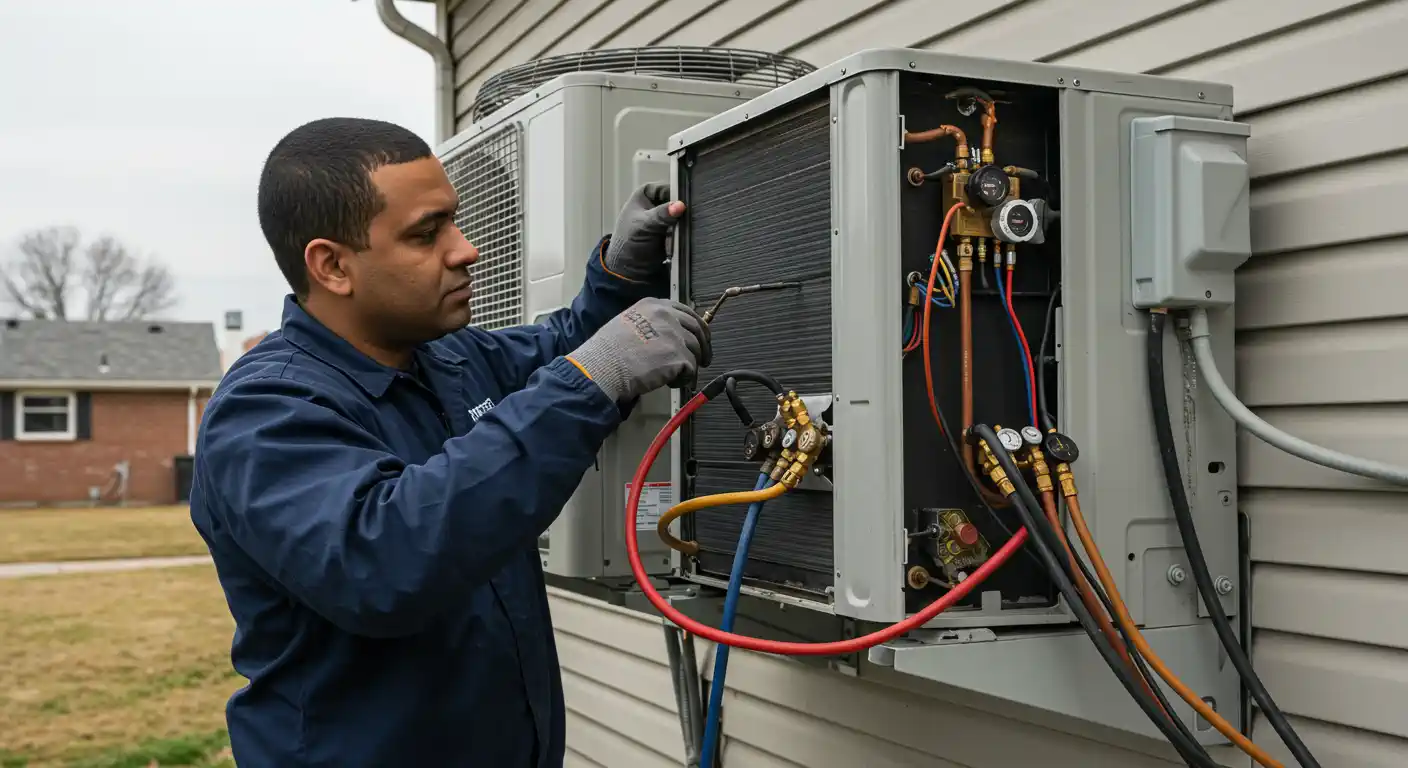
When you request a service visit, the goal is to minimize downtime and eliminate the guesswork associated with HVAC repairs. The process begins with a certified technician arriving at your property equipped with advanced diagnostic tools. The focus is on pinpointing the mechanical or electrical failure efficiently. This involves testing voltage levels, checking refrigerant pressures against manufacturer specifications, and inspecting airflow dynamics throughout the ductwork.
Once the issue is identified, you receive a clear explanation of the problem. This is not a guess; it is a data-backed assessment of what component failed and why. Whether it is a burnt-out motor, a clogged condensate drain line triggering a safety float switch, or a malfunctioning thermostat, the technician outlines the necessary repair steps.
- Diagnostic Assessment: The technician performs a comprehensive evaluation of the system, including electrical connections, thermostat calibration, and mechanical components.
- Clear Explanation: You receive a detailed report of the findings, explaining exactly which part is causing the malfunction.
- Immediate Repair Options: If the required parts are on the truck, repairs often happen on the spot to restore functionality instantly.
- System Verification: After the repair, the system is cycled through its operations to ensure it maintains the target temperature and operates quietly.
Transparency is paramount. You are informed of the scope of work before any tools are turned. There are no hidden fees or surprise charges at the end of the service. This approach ensures you have the information needed to authorize the repair with confidence, knowing exactly what is being fixed and how it restores your home's comfort.
Your Guide to HVAC Installation: Step-by-Step
There comes a point where a system is beyond the age of viable repair, or you may be looking to upgrade to a higher efficiency level to combat rising utility costs. A proper installation is the single most important factor in the longevity and efficiency of a new HVAC system. An improperly sized or installed unit will never achieve its SEER (Seasonal Energy Efficiency Ratio) rating, wasting money every month.
The installation process is methodical and strictly adheres to industry best practices. It moves beyond a simple swap-out of boxes.
- Load Calculation: The process starts with a Manual J load calculation. This determines the exact heating and cooling requirements of your specific home layout, accounting for square footage, insulation levels, and window orientation.
- System Selection: Based on the load calculation, you select a unit that fits your needs. This includes discussing SEER2 ratings, single-stage vs. variable-speed compressors, and compatibility with smart thermostats.
- Site Preparation: Technicians protect your flooring and workspace. They safely disconnect gas lines and electrical supplies and remove the old equipment, ensuring environmentally responsible disposal of refrigerant.
- Ductwork Inspection: Before the new unit is placed, the existing ductwork is checked for leaks or disconnects. Connecting a high-efficiency unit to leaky ducts defeats the purpose of the upgrade.
- Equipment Placement: The new condenser and air handler (or furnace) are leveled and secured. Proper leveling is crucial for the drainage of condensate and the longevity of the compressor.
- Connection and Charging: Refrigerant lines are brazed with nitrogen to prevent oxidation. The system is then vacuumed to remove moisture and charged with refrigerant to the precise subcooling and superheat levels required by the manufacturer.
- Commissioning: The final step involves a complete startup sequence. Static pressure is measured, temperature splits are verified, and the system is tested in all modes of operation to guarantee peak performance.
Repair or Replace? Making the Smart Choice for Your HVAC
Deciding between repairing an aging unit or investing in a new system is a common dilemma for homeowners in Windcrest. Making the right financial decision requires weighing the immediate cost of repair against the long-term benefits of replacement. It is rarely a black-and-white decision, but specific metrics can guide you toward the most logical choice.
Age is the first indicator. Most air conditioners and heat pumps have a service life of 10 to 15 years. If your system is approaching or has surpassed this milestone, major repairs are often throwing good money after bad. Components wear out in unison; replacing a compressor in a 14-year-old unit often precedes the failure of the fan motor or coils shortly after.
Consider the "50% Rule." If the cost of the repair approaches 50% of the value of a new system, replacement is generally the wiser investment. Furthermore, consider the frequency of breakdowns. If you have required professional service more than twice in the last two years, the system is demonstrating a pattern of unreliability that is unlikely to reverse.
Efficiency is another major factor. Older units often operate at 10 SEER or lower. Modern standards have pushed minimums much higher, with many units exceeding 16 or 18 SEER. Upgrading can result in significant monthly savings on electricity, effectively paying back a portion of the installation cost over time. If your current system uses R-22 refrigerant (Freon), which is no longer produced, a leak essentially mandates a replacement due to the exorbitant cost and scarcity of the refrigerant.
- Repair the system if: The unit is under 10 years old, the repair cost is minor, and the equipment has been well-maintained with a solid warranty still in effect.
- Replace the system if: The unit is over 12 years old, requires a major component like a compressor or heat exchanger, relies on obsolete refrigerant, or causes inconsistent temperatures and high energy bills.
Understanding Local HVAC Regulations and Seasonal Tips
Operating HVAC equipment in Texas requires specific attention to local utility guidelines and regional climate challenges. In Windcrest, adhering to these standards ensures your system operates legally, safely, and efficiently.
- Permits and Codes: Any significant modification to your heating or cooling system, particularly a full replacement, typically requires compliance with local building codes. This ensures that electrical connections are safe, gas lines are properly routed, and venting protocols prevent carbon monoxide hazards. Professional service providers manage the permitting process, ensuring your installation passes all municipal inspections. This is vital not just for safety, but for maintaining the resale value of your home.
- Utility Rebates and Incentives: Homeowners in this area are served by CPS Energy, which often provides lucrative rebate programs for upgrading to energy-efficient equipment. These incentives are designed to reduce the load on the grid during peak summer months. High-efficiency heat pumps, central air conditioners, and smart thermostats often qualify for cash-back rebates. ReliaBee stays updated on these programs to help you maximize your savings during an installation.
- Seasonal Management: The transition seasons in spring and fall are the ideal times for maintenance. With annual precipitation around 30 inches, keeping outdoor units free of debris and vegetation is critical for airflow. Furthermore, because humidity is a factor, checking condensate drain lines for algae buildup prevents water damage.
- Check the 3-Minute Rule: If your AC shuts off, do not try to turn it back on immediately. Most modern systems have a built-in delay to protect the compressor. Wait at least three to five minutes before restarting to avoid tripping breakers or damaging the motor.
- Filter Changes: During peak summer usage, check filters monthly. The high particulate matter from dry, dusty conditions can clog filters quickly, restricting airflow and freezing up the system.
- Program Your Thermostat: Utilize programmable settings to raise the temperature when you are away. This reduces the cumulative runtime on the compressor, extending the life of the system.
Why Choose Us: Experience and Trust in Windcrest
Selecting a service provider is about finding a partner who values technical precision and customer availability. The local market is crowded, but reliability sets the leaders apart. You need technicians who are not just parts changers but skilled diagnosticians capable of solving complex airflow and thermodynamic problems.
The focus here is on long-term relationships built on successful outcomes. Whether it is a routine capacitor replacement or a complex retrofit of a new high-efficiency system, the standard of work remains consistently high. Technicians are licensed, insured, and continuously trained on the latest HVAC technologies, ensuring they can handle everything from legacy furnaces to modern variable-speed heat pumps.
You deserve a service that respects your time and your property. From wearing shoe covers to cleaning up the workspace after a project, every detail is handled with professionalism. By choosing a local provider deeply familiar with the specific heat load and humidity challenges of the region, you ensure your home remains a sanctuary against the elements.
Ensure your home remains comfortable regardless of what the forecast predicts. Do not let a minor rattle turn into a major breakdown in the middle of the night. Secure your peace of mind with professional, reliable HVAC care today.
Contact us now to schedule your priority repair or estimate.
Protect Your Home and Comfort With Fast, Reliable HVAC Care
Your HVAC system is essential to maintaining a safe, livable environment—whether you’re battling intense summer heat or chilly winter nights in Windcrest. When something goes wrong, fast action matters. ReliaBee delivers immediate, expert-driven solutions designed to restore your comfort quickly and prevent small issues from escalating into expensive emergencies. From same-day repairs to full system installations, every service we provide is backed by technical precision, code compliance, and transparent pricing you can trust.
Whether your system is showing early signs of failure, nearing the end of its lifespan, or struggling to keep up with Texas weather extremes, our knowledgeable technicians are ready to help you make the smartest and most cost-effective decision for your home. Don’t wait until a minor issue becomes a major disruption—contact us today to schedule your HVAC repair, installation, or system assessment and see why homeowners trust ReliaBee for dependable year-round comfort.

Current Offers for
San Antonio Homeowners
Free Plumbing Safety Check


$59 AC Tune-Up
5% OFF FOR SENIORS
5% OFF FOR VETERANS & FIRST RESPONDERS

5% OFF FOR EDUCATORS


What Your Neighbors Are Saying