Energy Audit in Windcrest, TX

Worried about rising energy costs in Windcrest, TX? Discover how our certified energy audits can pinpoint costly inefficiencies and save you money. Contact us to schedule your comprehensive home assessment and start lowering your utility expenses:
- Comprehensive analysis of your home's energy usage.
- Tailored solutions for enhancing efficiency and cutting costs.
- Detailed report with actionable recommendations and expected savings.
All services are performed by certified auditors with full compliance to local standards.
How a Professional Energy Audit Simplifies Saving on Utilities
High utility bills often stem from invisible issues within a home’s construction or mechanical systems. In Windcrest, where summer temperatures frequently climb into the mid-90s, even minor inefficiencies can force your HVAC system to work overtime, resulting in significant financial waste. A professional energy audit moves beyond guesswork to identify exactly where your home is losing energy. This is not merely a visual inspection; it is a data-driven diagnostic process designed to uncover thermal leaks, insulation gaps, and equipment inefficiencies that are invisible to the naked eye.
ReliaBee approaches these audits with a focus on whole-home performance. Rather than treating components in isolation, the assessment evaluates how your heating, cooling, ventilation, and insulation systems interact. When one component fails—such as leaky ductwork—it compromises the efficiency of the entire home. By quantifying energy loss, homeowners receive a clear roadmap to reduce consumption. The goal is to provide immediate clarity on why bills are high and to prioritize improvements that offer the fastest return on investment.
Many homeowners attempt to lower bills by adjusting the thermostat or turning off lights, only to see minimal changes in their monthly statements. This is usually because the root cause lies in the building envelope or mechanical distribution. An audit simplifies the path to savings by distinguishing between behavioral changes and necessary structural or mechanical upgrades. This ensures that every dollar spent on home improvement directly contributes to lowered operational costs and improved indoor comfort.
What's Included in Your Energy Audit: Services, Timing, and Reporting
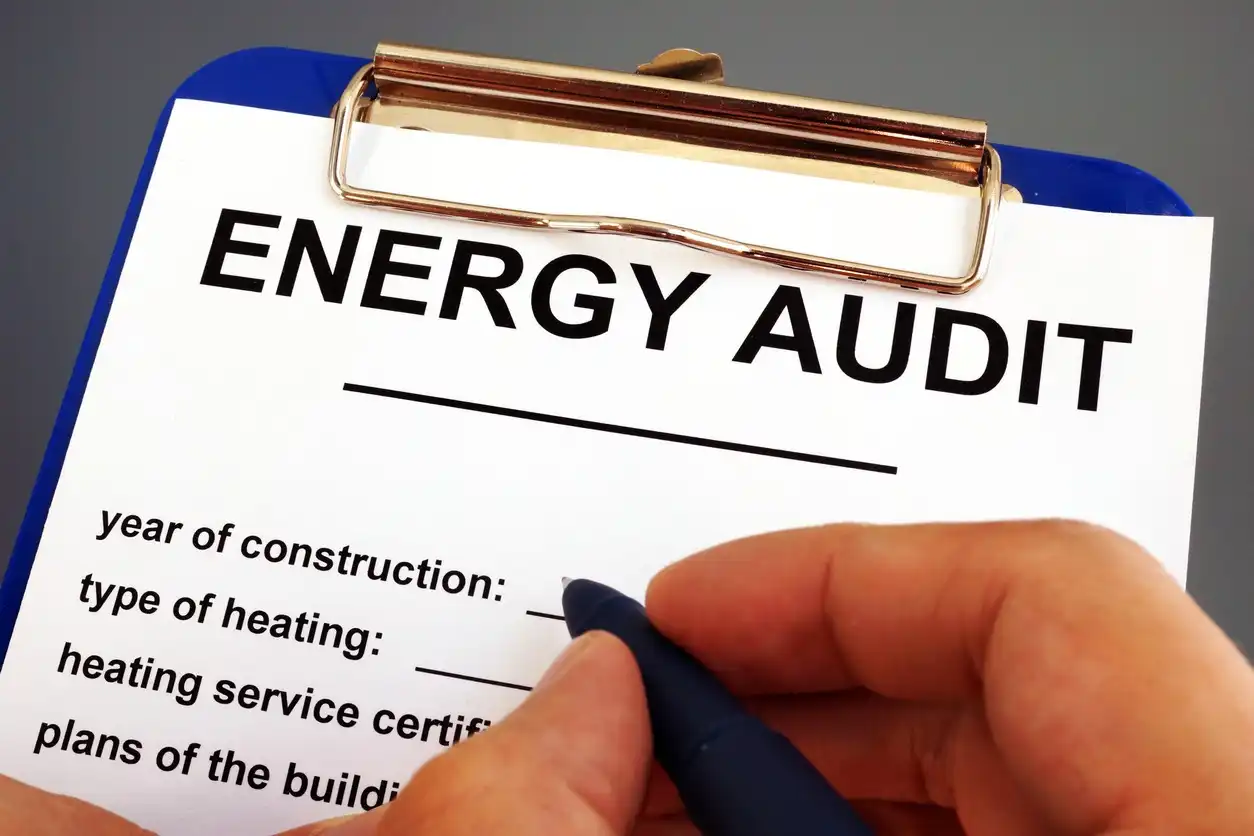
A professional energy audit is a rigorous investigation involving advanced technology and specialized testing methods. Understanding the scope helps homeowners prepare for the assessment and ensures transparency regarding what is being evaluated. The service is designed to be non-intrusive while providing a deep dive into the home’s energy profile.
Diagnostic Testing and Tools
- Blower Door Test: A calibrated fan is mounted in an exterior door frame to lower the air pressure inside the house. This allows the auditor to measure the rate of air infiltration and locate specific drafts around windows, doors, and baseboards.
- Thermal Imaging: Infrared cameras are used to scan walls, ceilings, and floors. These images reveal temperature differentials that indicate missing insulation, thermal bridges, or moisture intrusion that degrades thermal performance.
- Combustion Safety Testing: For homes with gas appliances, auditors check for gas leaks and ensure that furnaces and water heaters are venting properly to prevent carbon monoxide buildup.
- HVAC System Analysis: The age, condition, and efficiency rating of heating and cooling units are evaluated. This includes checking refrigerant levels, airflow restriction, and thermostat calibration.
- Ductwork Inspection: Ducts are examined for disconnections, crushed sections, and leaks. Leaky ducts can account for significant energy loss, dumping conditioned air into attics or crawlspaces.
Timeline and Duration
The physical inspection typically requires two to four hours, depending on the square footage of the property and the complexity of the HVAC systems. During this time, the auditor requires access to all areas of the home, including the attic, basement, and mechanical closets. The process is efficient and designed to minimize disruption to the daily routine.
The Deliverable: The Audit Report
Following the on-site assessment, data is analyzed to create a comprehensive report. This document is the core value of the service:
- Current Energy Baseline: A detailed breakdown of how the home currently consumes energy compared to similar homes in the region.
- Prioritized Recommendations: A list of suggested upgrades, ranked by cost-effectiveness. This distinguishes between low-cost fixes, such as caulking and weatherstripping, and major capital investments like window replacement.
- Projected Savings: Estimated annual savings for each recommended improvement, helping homeowners calculate the payback period for upgrades.
Our Energy Audit Process: From Assessment to Solutions
We follow a structured workflow to ensure accuracy and consistency in every audit. This systematic approach ensures that no potential energy drain is overlooked and that the final recommendations are tailored to the specific needs of the property:
- Initial Consultation and Data Collection: The process begins with a review of the home's energy history. Auditors examine past utility bills to identify patterns of high usage, such as spikes during the peak summer months or unexpected increases in winter. Homeowners are asked about specific comfort issues, such as drafty rooms, hot spots, or varying temperatures between floors. This context helps direct the investigation toward problem areas.
- Exterior and Interior Inspection: Next, a thorough visual inspection is conducted. The exterior is checked for cladding issues, roof condition, and vegetation shading. Inside, the auditor evaluates insulation levels in the attic and walls, checks the sealing of electrical outlets, and inspects the glazing on windows. This step verifies the physical integrity of the home’s thermal envelope before mechanical testing begins.
- Performance Testing: Once the visual inspection is complete, active testing begins. The blower door is set up to depressurize the house. While the house is under negative pressure, the auditor walks through every room with a thermal camera and a smoke pencil to pinpoint air leaks. This is the phase where invisible problems become visible. Simultaneously, the HVAC distribution system is tested for static pressure and airflow balance to ensure the equipment is not being strangled by poor duct design.
- Analysis and Strategy Review: Data collected during the inspection is fed into energy modeling software. This generates a simulation of the home’s performance and helps quantify the impact of potential upgrades. ReliaBee then compiles these findings into the final report. The process concludes with a strategy session where the auditor walks the homeowner through the findings, explaining the technical data in plain language and helping to formulate a plan of action for repairs or upgrades.
Identifying Cost-Effective Upgrades During Your Energy Audit
One of the primary functions of an audit is to guide financial decisions regarding home maintenance and upgrades. Homeowners often face the dilemma of whether to repair existing systems or invest in replacements. An audit provides the objective data needed to make these hard choices:
- Insulation and Air Sealing: Often, the most cost-effective improvements involve sealing the building envelope.
- Air Sealing: Closing gaps around plumbing penetrations, recessed lights, and attic hatches is inexpensive but yields high returns by stopping conditioned air from escaping.
- Attic Insulation: If insulation levels are below current standards, topping up usually offers a faster payback than replacing windows or HVAC equipment. The audit determines exactly how much R-value is missing.
- HVAC Repair vs. Replacement: The audit evaluates the Seasonal Energy Efficiency Ratio (SEER) of the current AC unit against modern standards.
- When to Repair: If the unit is under ten years old and the audit reveals that the inefficiency is due to dirty coils or leaky ducts, repair and maintenance are the logical paths.
- When to Replace: If the system is over 15 years old and operating at a low efficiency, the audit may demonstrate that the monthly savings from a modern, high-efficiency unit will cover the financing costs of a new installation.
- Window Upgrades: Windows are expensive to replace. An audit determines if the current windows are truly the source of the problem. Frequently, the issue is not the glass itself but the air leakage around the frame. In such cases, weatherstripping or caulking offers a solution at a fraction of the cost of replacement. However, if single-pane windows are transferring massive amounts of heat during the Windcrest summer, the report will quantify the load reduction achievable with double-pane, Low-E windows.
- Smart Home Integration: The assessment also looks for opportunities to implement smart controls. Switching to smart thermostats and automated lighting systems can reduce "phantom" energy waste. The audit identifies if the current wiring and HVAC interface are compatible with these modern controls.
Understanding Energy Codes and Seasonal Considerations
Local climate and building regulations play a massive role in how a home consumes energy. In Windcrest, the climate is characterized by high humidity and intense summer heat, which places specific demands on the building envelope:
- Combating Humidity and Latent Heat: The air conditioning system in this region must do two jobs: cool the air and remove moisture. If a home is leaky, humid outdoor air constantly infiltrates the living space. This forces the AC to run longer cycles to dehumidify, significantly driving up electricity bills. An energy audit identifies the infiltration points that allow humidity to enter, helping to reduce the latent heat load on the cooling system.
- Seasonal Peak Loads: Energy usage in this area peaks dramatically between May and September. Utility rates may also fluctuate based on demand. The audit provides strategies specifically for peak-load reduction, such as improving attic ventilation to lower cooling demands during the hottest part of the day. By addressing the specific thermal dynamics of a hot climate, homeowners can stabilize their bills during the most expensive months of the year.
- Local Codes and Compliance: The City of Windcrest adheres to specific building codes that mandate minimum energy efficiency standards for renovations and new equipment installations:
- Permitting: Major upgrades recommended by an audit, such as HVAC replacement or water heater installation, require permits.
- Compliance: Ensuring that upgrades meet the International Energy Conservation Code (IECC) as adopted by the municipality is crucial for safety and future property resale.
- Rebates: Local utility providers often offer rebates for efficiency upgrades, but these typically require proof of necessity and professional installation. The audit report serves as the foundational document to qualify for these financial incentives.
Why Trust Us: Certifications and Real Client Stories
Selecting the right partner for an energy assessment is critical to getting accurate, actionable data. The effectiveness of the audit depends entirely on the expertise of the auditor and the quality of the diagnostic equipment used:
- Certified Expertise: Technical proficiency is non-negotiable. Auditors must possess deep knowledge of building science, thermodynamics, and mechanical systems. Certifications from recognized bodies indicate that the auditor has undergone rigorous training and testing. This ensures they understand how to interpret blower door data, identify complex thermal bypasses, and recommend code-compliant solutions.
- Holistic Approach: A quality audit does not look at the home in fragments; it views the house as a system. Focusing solely on the AC unit while ignoring the attic insulation will not solve high energy bills. The ability to connect the dots between different systems—insulation, ventilation, heating, and cooling—is what differentiates a professional assessment from a basic walkthrough.
- Actionable Reporting: The value of the service lies in the clarity of the results. Homeowners receive more than just a list of problems; they receive a prioritized plan of action. Reports are written to be understood, avoiding unnecessary jargon while providing the technical specifications contractors need to perform repairs.
- Commitment to Safety: Beyond savings, safety is a paramount concern. Identifying back-drafting water heaters, gas leaks, or electrical hazards is a standard part of the procedure. This attention to detail protects the household from potential dangers related to combustion appliances and indoor air quality.
By choosing a professional provider, homeowners ensure that the assessment is thorough, the data is accurate, and the path to energy efficiency is clear.
Ready to lower your energy costs?
Take control of your monthly expenses and create a more comfortable, efficient living environment with a professional home energy audit. Many homeowners in Windcrest are unaware of how much energy is lost through air leaks, outdated insulation, inefficient HVAC systems, and aging appliances. A detailed audit identifies these problem areas and provides a clear roadmap for improvement. Our certified technicians use advanced diagnostic tools to analyze your home's energy usage and recommend targeted upgrades that deliver immediate and long-term savings. From sealing gaps to optimizing HVAC performance, every recommendation is tailored to your home’s unique needs.
Reduce waste, enhance comfort, and start saving today—contact us now to schedule your comprehensive energy audit and receive a personalized efficiency plan.

Current Offers for
San Antonio Homeowners
Free Plumbing Safety Check


$59 AC Tune-Up
5% OFF FOR SENIORS
5% OFF FOR VETERANS & FIRST RESPONDERS

5% OFF FOR EDUCATORS


What Your Neighbors Are Saying