Heating Maintenance in Converse, TX

Is Your Heating System Failing When You Need It Most?
When your heater quits unexpectedly on a cold winter night in Converse, quick, reliable solutions are crucial to restoring safety and warmth to your home. Ignoring minor irregularities in your furnace or heat pump can lead to complete system failure when temperatures drop, leaving you scrambling for emergency assistance. Contact us immediately to schedule a comprehensive inspection or click here to view our available financing options.
Our team offers timely heating maintenance to ensure your comfort without delay, addressing potential failures before they disrupt your life. ReliaBee Air, Electric, & Plumbing provides the technical expertise required to keep your system running efficiently throughout the winter season.
- Rapid response capabilities to address your heating urgencies effectively.
- Expert maintenance protocols designed to optimize efficiency and prolong system life.
- Flexible financing options to help manage unexpected heating costs easily.
- Fully licensed, offering extended warranties and simple financing options for your peace of mind.
Quick Solutions for Heating Troubles
Heating systems rarely fail without warning, yet many homeowners in Converse miss the subtle signs until the unit stops working entirely. A malfunction during a cold snap is more than an inconvenience; it can affect the safety and habitability of your home. Professional maintenance acts as a preemptive strike against these sudden breakdowns. The goal is to identify components that are wearing down—such as frayed belts, cracked heat exchangers, or faulty ignition systems—and address them while the system is still operational.
Addressing heating troubles requires a systematic approach. Our technicians perform a thorough evaluation of the entire heating envelope. This includes checking the thermostat calibration to ensure it reads the indoor temperature accurately. If the thermostat is off by even a few degrees, your system may run longer than necessary, driving up energy costs and accelerating wear and tear. We also inspect the airflow balance. Blocked vents or dirty filters restrict air movement, causing the heat exchanger to overheat and the system to shut down safely on a limit switch.
Another common issue addressed during maintenance is short cycling, where the heater turns on and off frequently without reaching the set temperature. This is often a symptom of an oversized unit, a clogged air filter, or a malfunctioning flame sensor. By cleaning the flame sensor and ensuring proper airflow, we restore the unit’s ability to run full cycles, which provides consistent warmth and reduces strain on the blower motor.
What You Gain with Our Heating Maintenance
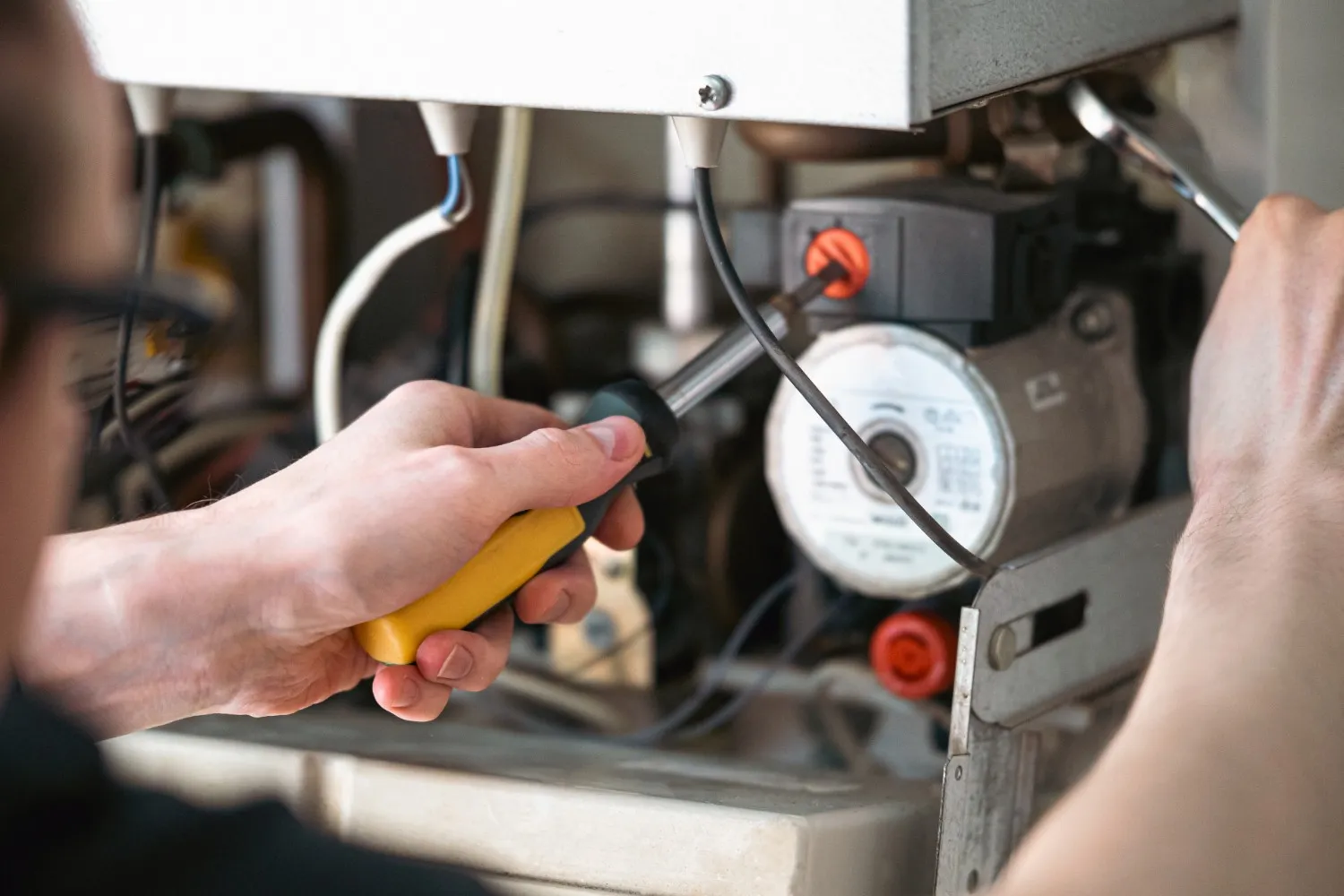
Investing in routine maintenance yields tangible technical benefits that go beyond simple peace of mind. The primary advantage is energy efficiency. Over time, dust and debris accumulate on internal components like the blower wheel and the evaporator coil (in heat pumps). This buildup acts as an insulator, preventing the system from transferring heat effectively. A clean system transfers heat more efficiently, meaning it uses less fuel or electricity to maintain the desired temperature in your home.
Safety is another critical gain. For gas furnaces, the combustion process must be precisely tuned. If the fuel-to-air ratio is incorrect, the burn can be inefficient, leading to soot buildup and, more dangerously, the production of high levels of carbon monoxide. Our maintenance checklist includes a thorough inspection of the heat exchanger for cracks. A cracked heat exchanger can allow exhaust gases to mix with the breathable air in your home. Detecting these cracks early is a vital safety measure.
- Improved Air Quality: Cleaning the internal components reduces the amount of dust, mold spores, and allergens circulated through the ductwork.
- Extended Equipment Lifespan: Lubricating moving parts like motor bearings reduces friction, preventing overheating and mechanical seizure.
- Warranty Preservation: Most manufacturer warranties require proof of annual maintenance to remain valid; skipping this service can void your coverage.
- Reduced Repair Costs: Catching a loose wire or a worn capacitor now is significantly cheaper than replacing a compressor or control board later.
ReliaBee Air, Electric, & Plumbing focuses on these deliverables to ensure that every service visit translates into long-term value and operational reliability for your heating equipment.
Understanding Your Heating Maintenance Needs
Heating systems in Converse have specific maintenance requirements due to the regional climate. While winters are generally mild with lows in the 40s, the heating season is interspersed with humidity and fluctuating temperatures. This environment impacts how often and how thoroughly your system needs attention. Heat pumps, which are common in this area, work year-round to provide both heating and cooling. This double duty means they endure twice the wear and tear of a standalone furnace, making bi-annual maintenance essential.
For gas furnaces, the focus is on the combustion assembly. Over the warmer months, the burners can accumulate dust or even rust if there is high humidity. Before the first cold snap hits, these burners need to be removed and cleaned to ensure an even flame. The pilot light or hot surface igniter must be tested for reliability. An igniter that is near the end of its lifespan may still work intermittently but will likely fail during a period of heavy usage.
Understanding your specific system type helps in planning maintenance.
- Heat Pumps: Require checks on the reversing valve (which switches between heat and cool modes) and the defrost cycle control board. If the defrost cycle fails, ice can build up on the outdoor unit, crippling its efficiency.
- Electric Furnaces: Maintenance involves inspecting the heating elements (sequencers) and tightening electrical connections. Loose connections cause resistance, which leads to heat buildup and potential fire hazards.
- Gas Furnaces: Require inspection of the flue pipe for obstructions (like bird nests) and testing the gas valve pressure to ensure it matches manufacturer specifications.
When Heating Repair is Unavoidable
While maintenance prevents many issues, there are times when components reach the end of their lifecycle and repair becomes necessary. Distinguishing between a routine repair and a scenario where replacement is the smarter financial move is a key decision point for homeowners. The decision often hinges on the age of the unit, the frequency of breakdowns, and the cost of the repair relative to a new system.
If your system is over 15 years old and requires a major repair—such as a compressor replacement or a new heat exchanger—it is often more economical to replace the unit. Older systems typically operate at lower efficiency ratings (AFUE or HSPF). Upgrading to a modern system can lower monthly utility bills, offsetting the installation cost over time. However, if the unit is under ten years old and the repair cost is less than 50% of the value of a new system, repair is usually the correct path.
Specific signs indicate that a repair is imminent and unavoidable:
- Strange Noises: Squealing indicates a belt issue; grinding suggests motor bearing failure; banging sounds may signal a delayed ignition in gas furnaces.
- Yellow Pilot Light: A gas furnace flame should be blue. A yellow flame indicates incomplete combustion and a potential carbon monoxide leak.
- Cold Spots: If certain rooms are never warm, it could indicate ductwork issues or a failing blower motor that can no longer push air effectively.
- Rising Energy Bills: A sudden spike in usage without a change in weather suggests the system is working overtime to compensate for a failing part.
Navigating Local Heating Requirements in Converse, TX
Operating a heating system in Converse involves adhering to local building codes and understanding regional infrastructure. Local regulations dictate specific requirements for venting gas appliances and the clearance space required around heating units to prevent fire hazards. When performing maintenance or repairs, technicians must ensure that the installation remains compliant with current safety codes, even if the unit was installed years ago under different standards.
The local climate also dictates specific setup adjustments. Because the winters are mild but humidity remains a factor due to significant spring and fall precipitation, managing indoor humidity is a part of the heating equation. A heating system that is oversized for a Converse home will satisfy the thermostat setting too quickly and shut off. This short run time prevents the system from removing adequate moisture from the air, leading to a "clammy" feeling indoors and potential mold growth in the ducts.
Electrical and gas connections must also meet local utility standards. Maintenance includes verifying that the gas line has a proper sediment trap (drip leg) to prevent debris from the municipal supply from entering the gas valve. For electric units, the wire gauge must be appropriate for the amperage draw of the heater. Ensuring these local compliance standards are met is part of a professional maintenance service, protecting the homeowner from liability and safety risks.
Why Choose Us: Licenses, Standards, and Differentiators
Selecting a service provider for heating maintenance impacts the safety and longevity of your home’s infrastructure.
- Certified Technicians: Our team undergoes regular training to stay updated on the latest HVAC technologies.
- Comprehensive Checklists: Rigorous multi-point inspections leave no component unchecked.
- Upfront Communication: Clear assessment of your system’s health and recommended actions before work begins.
- Satisfaction Focus: We stand behind the quality of our maintenance work, ensuring your system performs as promised.
Keeping your home warm requires more than just a functioning thermostat; it requires a dedicated partner who understands the mechanics of comfort. ReliaBee Air, Electric, & Plumbing is committed to delivering high-quality maintenance necessary to navigate the heating season with confidence.
Ensure your heating system is ready for whatever the weather brings. Contact us today to schedule your comprehensive heating maintenance.
Call Now
Don’t wait for a breakdown—protect your home and your family’s comfort now. Call ReliaBee Air, Electric, & Plumbing today to book your maintenance service and keep your heating system running safely and efficiently all winter long.

Current Offers for
San Antonio Homeowners
Free Plumbing Safety Check


$59 AC Tune-Up
5% OFF FOR SENIORS
5% OFF FOR VETERANS & FIRST RESPONDERS

5% OFF FOR EDUCATORS


What Your Neighbors Are Saying