HVAC Maintenance in Converse, TX

Is Your AC Acting Up? Halve Your Stress Today.
Nothing is worse than a broken AC in the middle of a Texas summer or a heater failure during a January cold snap, leaving your Converse home uncomfortable and your family stressed. That is why we are here to bring comfort back to your home, fast and fuss-free; contact us immediately to secure a slot on our schedule.
We understand that when your system falters, you need more than just a quick patch; you need a reliable solution that lasts.
- Same-day service ensures you are not left in the heat or the cold for longer than necessary.
- Licensed professionals who adhere strictly to regional HVAC regulations and Texas Department of Licensing and Regulation (TDLR) standards.
- Clear, upfront pricing with financing available for all maintenance tasks so there are no surprises on your final bill.
All services are backed by our satisfaction guarantee, with extended warranties available to protect your investment for years to come.
Immediate Help for Emergency HVAC Issues
When an air conditioner or heating unit fails in Central Texas, it rarely happens at a convenient time. The extreme heat loads placed on residential systems during the summer months often push older or unmaintained units to their breaking point. In Converse, where temperatures frequently soar above 90°F, a functioning HVAC system is not a luxury; it is a safety necessity. The primary objective of professional maintenance is to identify these potential failure points before they result in a total system breakdown on a Saturday afternoon.
Neglected systems do not just stop working; they often provide warning signs that homeowners might miss until it is too late. You might notice inconsistent temperatures between rooms, unusual grinding or rattling noises, or a sudden spike in your energy utility bills. These are symptoms of underlying mechanical stress. For instance, a clogged filter forces the blower motor to work harder, increasing energy consumption and the risk of overheating. Similarly, low refrigerant levels can lead to frozen evaporator coils, halting the cooling process entirely.
ReliaBee Air, Electric, & Plumbing focuses on addressing these urgent issues through preventative strategies. By engaging in routine maintenance, you move from a reactive position—scrambling for repairs when the house is already hot—to a proactive position. This approach not only secures your indoor comfort but also extends the lifecycle of the equipment. Waiting until the system fails often results in more expensive repairs, as a single failing component, like a capacitor, can cause a chain reaction that damages the compressor. Immediate attention to maintenance ensures that small irregularities are corrected before they evolve into emergency situations.
Comprehensive Maintenance Services—What’s Included Today?
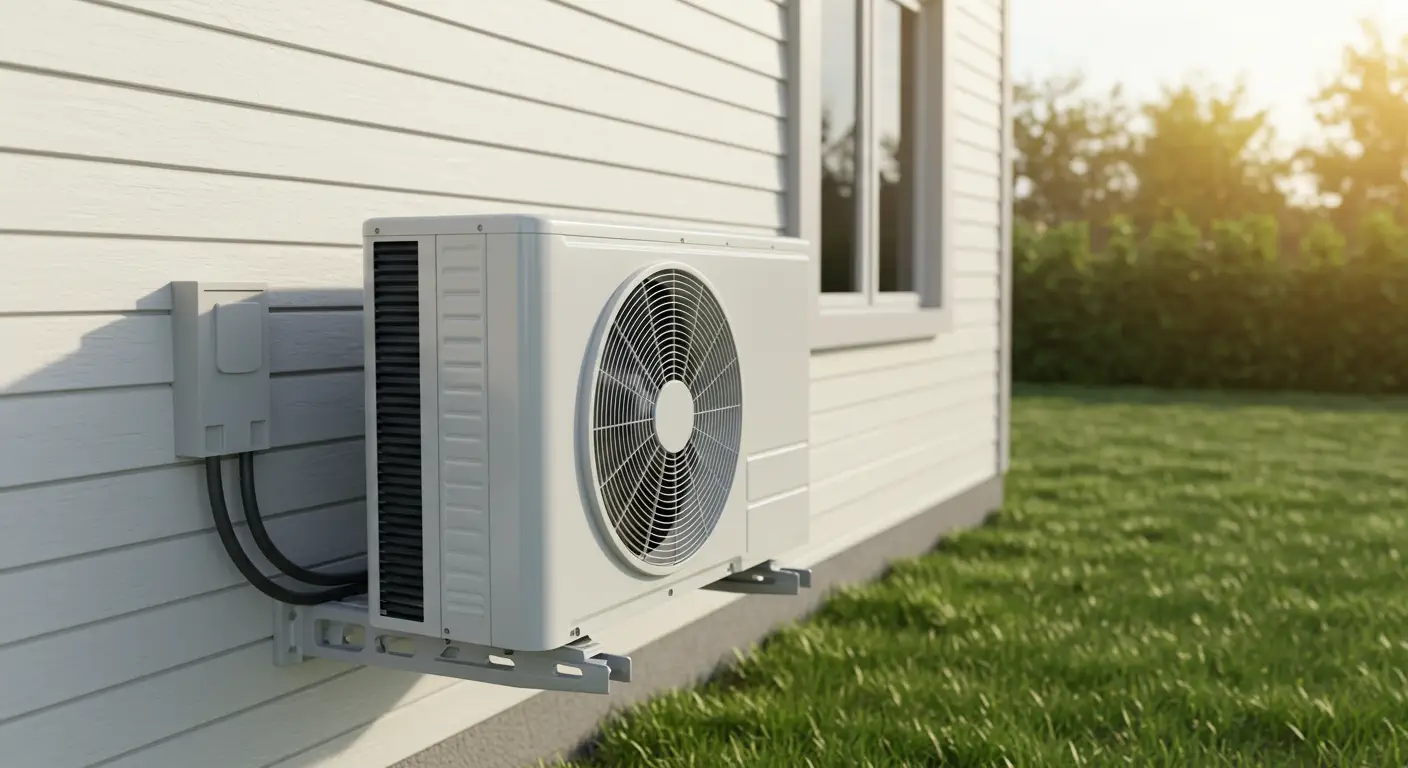
A professional tune-up goes far beyond simply changing an air filter. It involves a rigorous inspection and calibration of the entire mechanical and electrical system to ensure peak performance. When you schedule maintenance, the goal is to return the unit to factory specifications as closely as possible. This comprehensive approach covers the cooling loop, the heating elements, and the air distribution system.
Cooling System Inspection Points
- Refrigerant Charge Verification: Technicians measure refrigerant levels to ensure they match the manufacturer’s specifications. Incorrect levels reduce efficiency and can damage the compressor.
- Coil Cleaning: Both the evaporator and condenser coils are inspected and cleaned. Dirt buildup on these coils insulates them, reducing their ability to absorb and release heat, which forces the system to run longer to cool the home.
- Condensate Drain Clearing: The drain line is flushed to prevent clogs. blocked drains can cause water damage to the home and increase indoor humidity levels.
- Capacitor and Contactor Checks: Electrical components are tested for wear. Weak capacitors are a leading cause of compressor and fan motor failure during heat waves.
Heating System Inspection Points
- Heat Exchanger Analysis: For gas furnaces, the heat exchanger is inspected for cracks. A cracked exchanger is a serious safety hazard that can leak carbon monoxide into the living space.
- Burner Assembly Cleaning: Dirty burners result in improper combustion, reducing heating efficiency and potentially creating soot buildup.
- Ignition System Testing: The pilot light or electronic ignition is tested to ensure reliable startup during cold snaps.
- Safety Control Testing: Limit switches and safety sensors are verified to ensure the unit shuts down properly if it overheats.
General System Maintenance
- Electrical Connection Tightening: Loose connections create resistance, leading to heat buildup and potential electrical fires or component failure.
- Blower Motor Lubrication: Moving parts are lubricated to reduce friction and wear, ensuring quiet and efficient airflow.
- Thermostat Calibration: The thermostat is checked to ensure it reads the temperature accurately and communicates correctly with the HVAC unit.
- Airflow Assessment: Technicians check for restrictions in the ductwork or at the supply and return registers that could hamper system performance.
Your HVAC Maintenance Step by Step
Understanding the workflow of a professional maintenance visit helps homeowners prepare and know what to expect. The process is designed to be thorough yet efficient, minimizing disruption to your daily routine while maximizing the technical benefit to your system.
- Initial Assessment and Safety Check: The process begins with a discussion about any specific concerns you have noticed, such as noise or hot spots in the house. The technician then performs a safety check of the area surrounding the unit to ensure there are no hazards before beginning work.
- System Diagnostics and Testing: Next, the technician runs the system to establish a baseline of performance. Gauges and meters are attached to measure electrical voltage, amperage, and pressures within the refrigeration cycle. This data indicates the health of the internal components.
- Cleaning and Calibration: Once the baseline is established, the physical work begins. Power is cut to the unit for safety. Coils are chemically cleaned if necessary, drains are vacuumed, and electrical connections are torqued. Moving parts are lubricated, and filters are replaced or cleaned.
- Operational Verification: After cleaning and adjustments, the system is powered back on. The technician monitors the system through a full cycle to ensure it starts, runs, and shuts down properly. Temperature differentials (the difference in temperature between the supply and return air) are measured to confirm cooling or heating capacity.
- Reporting and Recommendations: Finally, the technician provides a detailed report of the findings. If any components are near the end of their lifespan or if repairs are needed, these are explained clearly with options for rectification.
Deciding Between Repair and Replacement: A Quick Guide
One of the most difficult decisions for a homeowner in Converse is determining when to stop repairing an aging unit and invest in a replacement. While maintenance extends the life of a system, there comes a tipping point where replacement is the more financial viable option.
The Age Factor
Most HVAC systems have a lifespan of 10 to 15 years. If your unit is over 10 years old and requires a major repair, replacement is often the smarter choice. Modern systems are significantly more energy-efficient, often lowering utility bills enough to offset the monthly cost of a new installation.
Frequency of Repairs
If you find yourself calling for repairs multiple times a year, the system is likely unreliable. The cost of frequent service calls and parts adds up quickly. A good rule of thumb is the "50% Rule": if the cost of the repair is 50% or more of the value of a new system, you should replace the unit.
Energy Efficiency and Comfort
older units often struggle to maintain consistent temperatures and control humidity. If your energy bills are rising despite usage remaining the same, the internal efficiency of the unit has degraded. New systems with higher SEER (Seasonal Energy Efficiency Ratio) ratings use less electricity to provide the same amount of cooling.
Refrigerant Type
Older systems utilize R-22 refrigerant, which has been phased out due to environmental regulations. As supplies dwindle, the cost of R-22 has skyrocketed. If your older unit has a refrigerant leak, the cost to recharge it may make repair economically unfeasible compared to upgrading to a system that uses the modern, environmentally friendly refrigerant.
ReliaBee Air, Electric, & Plumbing technicians act as advisors during this stage, providing data-backed recommendations rather than sales pressure, helping you calculate the long-term ROI of repair versus replacement.
Navigating Local HVAC Regulations and Seasonal Tips
Operating an HVAC system in Converse requires specific attention to local climate conditions and regulations. The high humidity and heat load of Central Texas create an environment where systems must work harder than in other parts of the country.
Permitting and Regulations
- Routine maintenance generally does not require a permit. However, if maintenance reveals the need for substantial repairs, such as replacing a compressor or modifying ductwork, permits may be required by the city.
- All work involving the handling of refrigerants or electrical connections must be performed by technicians licensed by the Texas Department of Licensing and Regulation (TDLR). Hiring unlicensed contractors can void manufacturer warranties and result in code violations that complicate future home sales.
Seasonality and Humidity Control
- Spring Preparation: The ideal time for cooling maintenance is early spring. This ensures the unit is ready before the first heat wave hits. Cleaning coils in spring removes the pollen and debris accumulated during the winter.
- Fall Preparation: Heating maintenance should occur in the fall. Gas furnaces must be checked for safety before they are used heavily. This is also the time to check insulation on refrigerant lines.
- Humidity Management: In this region, air conditioners play a dual role: cooling and dehumidifying. If a unit is oversized or short-cycling (turning on and off too quickly), it will cool the air but fail to remove humidity, leading to a clammy indoor feel and potential mold growth in ducts. Proper maintenance ensures the system runs long enough to pull moisture from the air effectively.
- Drain Line Vigilance: The combination of heat and humidity creates an ideal environment for algae growth in condensate drain lines. Local homeowners should have these lines treated regularly to prevent blockages that can trigger overflow switches and shut down the system.
Why Choose Us: Our Track Record and Your Peace of Mind
Selecting a service provider is about trust and technical competence. You need a partner who understands the specific thermal dynamics of homes in the Converse area and respects your property. Our approach is built on technical precision and transparency. We do not incentivize our technicians to upsell unnecessary parts; instead, we focus on restoring your system to its optimal functionality.
We utilize advanced diagnostic tools that eliminate guesswork. This allows us to pinpoint issues that others might miss, ensuring that we fix the root cause rather than just the symptom. Our team respects your time and your home, using drop cloths and shoe covers to leave your space as clean as we found it. We believe that an informed homeowner is a satisfied homeowner, which is why we take the time to explain what we are doing and why it matters to the longevity of your system.
Whether it is a routine filter change or a complex compressor analysis, the goal remains the same: reliable, efficient comfort for your home. We bridge the gap between technical complexity and customer peace of mind, ensuring your climate control system is an asset, not a liability.
Call Now
Don't wait for a breakdown to think about your HVAC system. Secure your comfort and efficiency today. Schedule your comprehensive maintenance service now.

Current Offers for
San Antonio Homeowners
Free Plumbing Safety Check


$59 AC Tune-Up
5% OFF FOR SENIORS
5% OFF FOR VETERANS & FIRST RESPONDERS

5% OFF FOR EDUCATORS


What Your Neighbors Are Saying