Emergency Service in Converse, TX

Immediate Emergency HVAC Services: When Every Second Counts
When your heating or cooling system fails during extreme weather in Converse, TX, quick and reliable technical care is crucial for your safety and property protection. Contact us immediately or reach out online to dispatch a technician to your home.
Residents in this region face intense climate challenges, from blistering summers reaching 100°F to sudden winter freezes. A broken HVAC system isn't just an inconvenience; it can rapidly escalate into a safety hazard for your family and cause damage to your home’s infrastructure. ReliaBee Air, Electric, & Plumbing specializes in rapid response diagnostics and repair to restore safe indoor temperatures without delay.
- Immediate deployment of certified HVAC technicians to your location.
- 24/7 availability to address critical system failures outside of standard business hours.
- Comprehensive diagnostic protocols to identify the root cause instantly.
Licensed and closely coordinated with local supply houses to ensure rapid parts sourcing for Converse-area homes.
What You Can Expect From Emergency Deployment
When you request emergency service, the standard waiting period is bypassed. The objective shifts from routine maintenance to crisis management. The primary goal is to stabilize the indoor environment and prevent further damage to the HVAC unit or the home. In Converse, where humidity levels can spike rapidly, a non-functional air conditioner can lead to moisture buildup and mold risks within hours. Conversely, a heating failure during a freeze can lead to burst pipes.
Emergency service prioritizes speed and efficiency. You receive a fully equipped service vehicle stocked with universal parts such as capacitors, contactors, and hard start kits. This preparation minimizes the need for follow-up visits and aims to resolve the issue in a single trip whenever possible. The scope of work focuses on getting the system running immediately. If a specialized part is required that is not on the truck, the technician performs a temporary fix or expedites the part acquisition process to minimize downtime.
Transparency is maintained throughout the high-pressure situation. You receive a clear explanation of the failure, the steps required to fix it, and an upfront quote before any work begins. This ensures that even in an urgent situation, you remain in control of the financial decisions regarding your property.
The Emergency Repair and Restoration Process
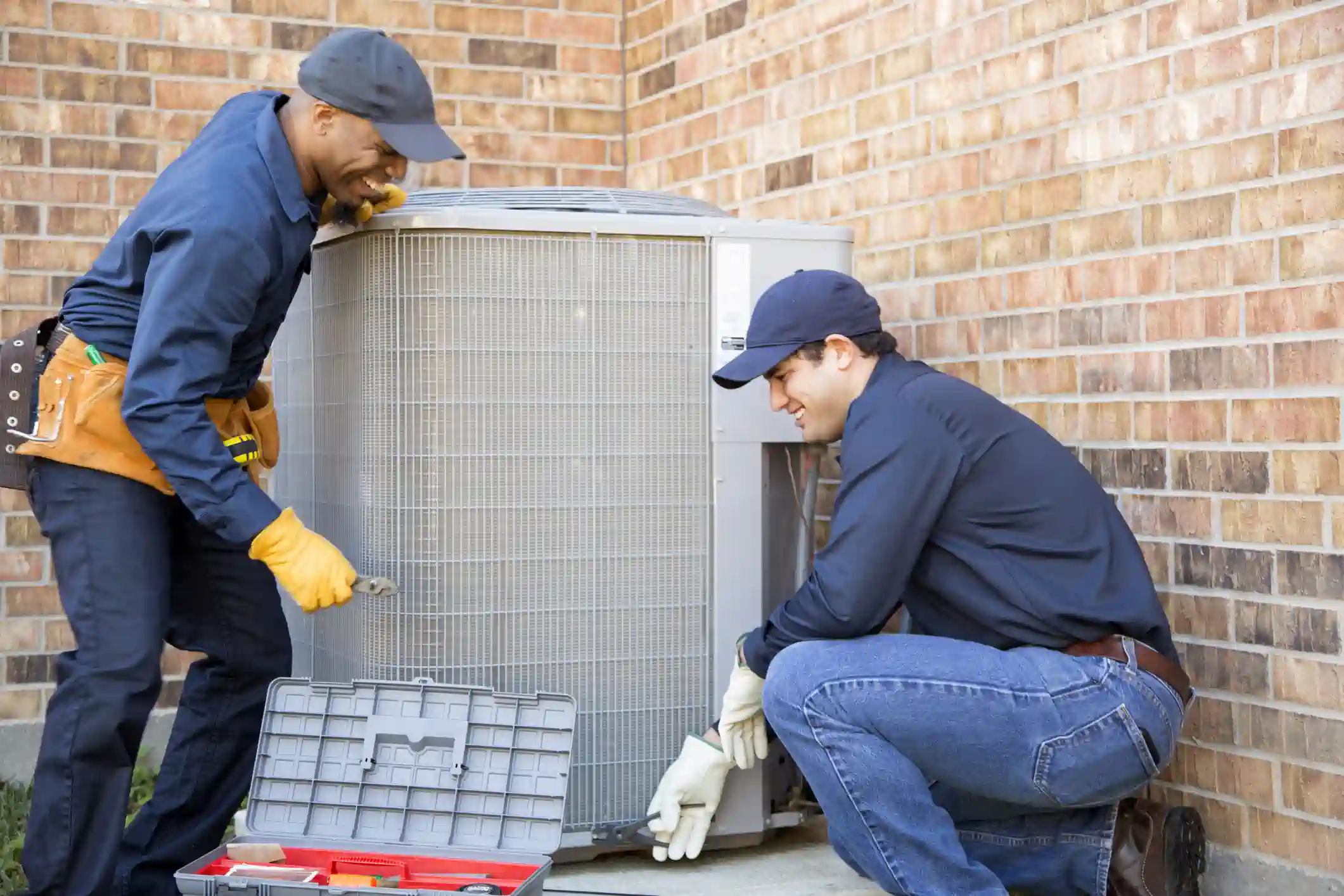
Understanding how the repair process unfolds helps alleviate the stress of the situation. The workflow is designed to be systematic and thorough, ensuring no safety protocols are overlooked despite the urgency.
- Triage and Dispatch: Upon receiving your call, the support team assesses the severity of the issue. Priority is given to situations involving potential gas leaks, electrical hazards, or vulnerable household members (elderly or infants) during extreme temperatures.
- On-Site Diagnostics: The technician arrives and performs a comprehensive system check. This involves testing electrical voltage, checking refrigerant pressures, and inspecting the heat exchanger for cracks.
- Safety Inspection: Before attempting to start the unit, the technician verifies that the system is safe to operate. This includes checking for carbon monoxide risks in furnaces or electrical shorts in outdoor condensers.
- The Repair Proposal: You are presented with the findings. The technician explains the failed component, why it failed, and the options for repair.
- Execution of Repair: Once approved, the technician replaces the faulty components using industry-standard tools and parts.
- System Testing and Validation: After the repair, the system is run through a full cycle. The technician measures the temperature split (the difference between supply and return air) to ensure the unit is actually cooling or heating effectively, not just running.
- Clean Up and Debrief: The work area is cleaned, and the technician provides a summary of the work performed, along with advice on how to prevent future occurrences.
Deciding Between Emergency Repair and System Replacement
In the heat of the moment, homeowners often face a difficult decision: pour money into a dying unit or invest in a replacement. Making this choice requires analyzing specific data points regarding your current equipment.
The 50% Rule
If the cost of the emergency repair approaches or exceeds 50% of the value of a new system, replacement is generally the more financially sound option. Older units in Converse often struggle to keep up with the rising heat load requirements, and a major repair on an aging system is often followed by another failure shortly after.
Refrigerant Type
If your air conditioner utilizes R-22 (Freon), it is legally obsolete. Repairs involving refrigerant leaks on these units are exponentially expensive and environmentally unsound. If an R-22 unit has a compressor failure or a coil leak, replacement is almost always the correct path. Modern systems use R-410A or newer refrigerants, which are more efficient and readily available.
Safety Concerns
Certain failures dictate mandatory replacement for safety reasons. A cracked heat exchanger in a gas furnace allows deadly carbon monoxide to leak into the living space. This cannot be repaired; the heat exchanger or the entire furnace must be replaced. Similarly, severe electrical burnout that has damaged the internal wiring harness of a condenser may render the unit a fire hazard.
Frequency of Breakdowns
If you have required emergency service more than once in the last two years, the system has become unreliable. The cumulative cost of emergency call-out fees and parts often outweighs the monthly cost of financing a new, high-efficiency system that comes with a warranty.
Local Climate Factors and Infrastructure Notes
Operating an HVAC system in Converse, TX, presents unique challenges that influence how emergency services are conducted. The local climate is characterized by high humidity and intense solar gain. This forces air conditioners to run for longer cycles, placing immense strain on capacitors and compressor motors. These components are the most common points of failure during the peak of summer.
Electrical Grid Fluctuations
The region occasionally experiences voltage fluctuations during high-demand periods. These power surges can fuse contactors or blow fuses within the HVAC disconnect box. Emergency technicians check the electrical path from the breaker panel to the unit to ensure the issue isn’t related to incoming power quality, which protects the new parts from immediate failure.
Building Codes and Permits
Any significant repair that involves altering the gas line, electrical circuits, or replacing the entire unit requires adherence to local building codes. Emergency service providers must be familiar with these regulations to ensure that the repair does not result in code violations that could complicate future home sales or insurance claims.
Winter Freeze Protection
While winters are generally mild, the occasional hard freeze catches many systems off guard. Heat pumps that have not been tested in "defrost mode" may freeze over completely, stopping heat production. Emergency services during these events focus on de-icing the outdoor unit and ensuring the auxiliary heat strips are engaging correctly to prevent the home from dropping to dangerous temperatures.
Critical HVAC Emergency Scenarios
Identifying what constitutes a true HVAC emergency helps homeowners act quickly. Delaying service in these scenarios can lead to catastrophic system failure.
- Frozen Evaporator Coils: If you see ice building up on the copper lines or the indoor unit, the system is not exchanging heat. Continuing to run a frozen unit will destroy the compressor. This is often caused by low airflow or a refrigerant leak.
- Screeching or Grinding Noises: loud metal-on-metal sounds usually indicate a fan motor bearing has failed or internal components are coming loose. Immediate shutdown is required to prevent the fan blade from disintegrating and puncturing the coil.
- Burning Smells: An electrical burning smell indicates overheating wires or a seized motor. A "rotten egg" smell indicates a natural gas leak. In the case of gas smells, evacuate the home immediately and call emergency services before calling for HVAC repair.
- Water Leaks: If water is pooling around your indoor furnace or air handler, the condensate drain is blocked or the pan is rusted. Unchecked water leaks can rot floorboards and cause ceiling collapses if the unit is in the attic.
- Short Cycling: If the unit turns on and off every few minutes, it is under extreme stress. This is often a safety switch tripping due to overheating or pressure issues.
Differentiators in Professional Emergency Response
Choosing the right provider for emergency services is about more than just speed; it is about technical competency and long-term reliability. ReliaBee Air, Electric, & Plumbing focuses on delivering technical excellence even under time constraints.
Access to Supply Chains
A major bottleneck in emergency repair is parts availability. Professional services maintain relationships with local warehouses to access parts after hours or on weekends, ensuring that a lack of inventory does not leave you without climate control.
Comprehensive Diagnostics
Some providers may simply swap a blown fuse and leave, only for the fuse to blow again an hour later because the underlying short circuit wasn't found. Professional diagnostics involve tracing the fault to its origin—whether that is a rubbed-out wire, a failing compressor valve, or an issue with the thermostat communication.
Warranty Preservation
DIY repairs or using unlicensed handymen for emergency fixes can void the manufacturer’s warranty on your equipment. Professional technicians document the repair according to manufacturer specifications, ensuring that your warranty coverage remains intact.
Refrigerant Handling Certification
Handling refrigerants requires EPA certification. Improper handling is illegal and damages the environment. Professional technicians reclaim, weigh, and charge refrigerant according to strict federal guidelines, ensuring the system operates at the correct pressure for maximum efficiency.
Restoring Comfort and Safety
When your HVAC system fails, the priority is restoring a safe and comfortable environment for your family. The difference between a prolonged ordeal and a quick resolution lies in the expertise of the technicians you choose. By utilizing advanced diagnostic tools, maintaining fully stocked service vehicles, and adhering to strict safety protocols, the right service provider turns a crisis into a managed situation.
Do not let a system failure compromise your safety or comfort. For rapid, professional emergency service in Converse, TX, trust the team that prioritizes technical accuracy and immediate response.
Contact us now to schedule your emergency diagnosis and restore your home’s comfort immediately.

Current Offers for
San Antonio Homeowners
Free Plumbing Safety Check


$59 AC Tune-Up
5% OFF FOR SENIORS
5% OFF FOR VETERANS & FIRST RESPONDERS

5% OFF FOR EDUCATORS


What Your Neighbors Are Saying