Electrical Panel Upgrade in Converse, TX

Is Your Home’s Electrical Panel Outdated?
Flickering lights, scorching outlets, or a breaker that refuses to stay reset are not just annoyances; they are critical warning signs of an electrical system pushed beyond its limits. If you are experiencing these issues in Converse, TX, contact us immediately to schedule a safety assessment or ask about our available financing options.
Old panels often lack the capacity to handle modern appliances, HVAC systems, and electric vehicle chargers, leading to safety hazards and power interruptions. You need a solution that ensures your electrical infrastructure is up to code and capable of supporting your daily energy needs.
- Receive a comprehensive inspection and upgrade consultation within 24 hours.
- Enhance your home’s safety and energy efficiency with a modern, high-capacity electrical panel.
- Quick and hassle-free installation by certified electricians with minimal disruption to your daily routine.
All installations are covered by a full warranty and comply with local building codes.
Why Upgrading Your Electrical Panel Is Crucial for Safety and Efficiency
The electrical panel is the heart of your home’s power system. It distributes electricity from the utility grid to the various circuits throughout your house. In many older homes in Converse, the existing panels were installed decades ago when household energy consumption was significantly lower. Today, the average home runs high-efficiency air conditioning units, multiple computers, large televisions, and smart appliances simultaneously. An outdated panel simply cannot manage this load safely.
When a panel is undersized or obsolete, the risk of electrical fire increases dramatically. Breakers are designed to trip when a circuit is overloaded to prevent wires from overheating. However, aging breakers may fail to trip, or the bus bars inside the panel may corrode and arc, generating intense heat. Upgrading to a modern panel ensures that your safety mechanisms function correctly.
Beyond safety, efficiency is a primary driver for upgrades. Modern panels provide cleaner power distribution, which helps protect sensitive electronics from voltage fluctuations. An upgrade also streamlines your system, eliminating the need for "tandem" breakers or messy sub-panels that have been added haphazardly over the years. This consolidation improves the overall reliability of your electrical service and prepares your home for future additions, such as electric vehicle charging stations or hot tub installations.
What to Expect from Your Electrical Panel Upgrade
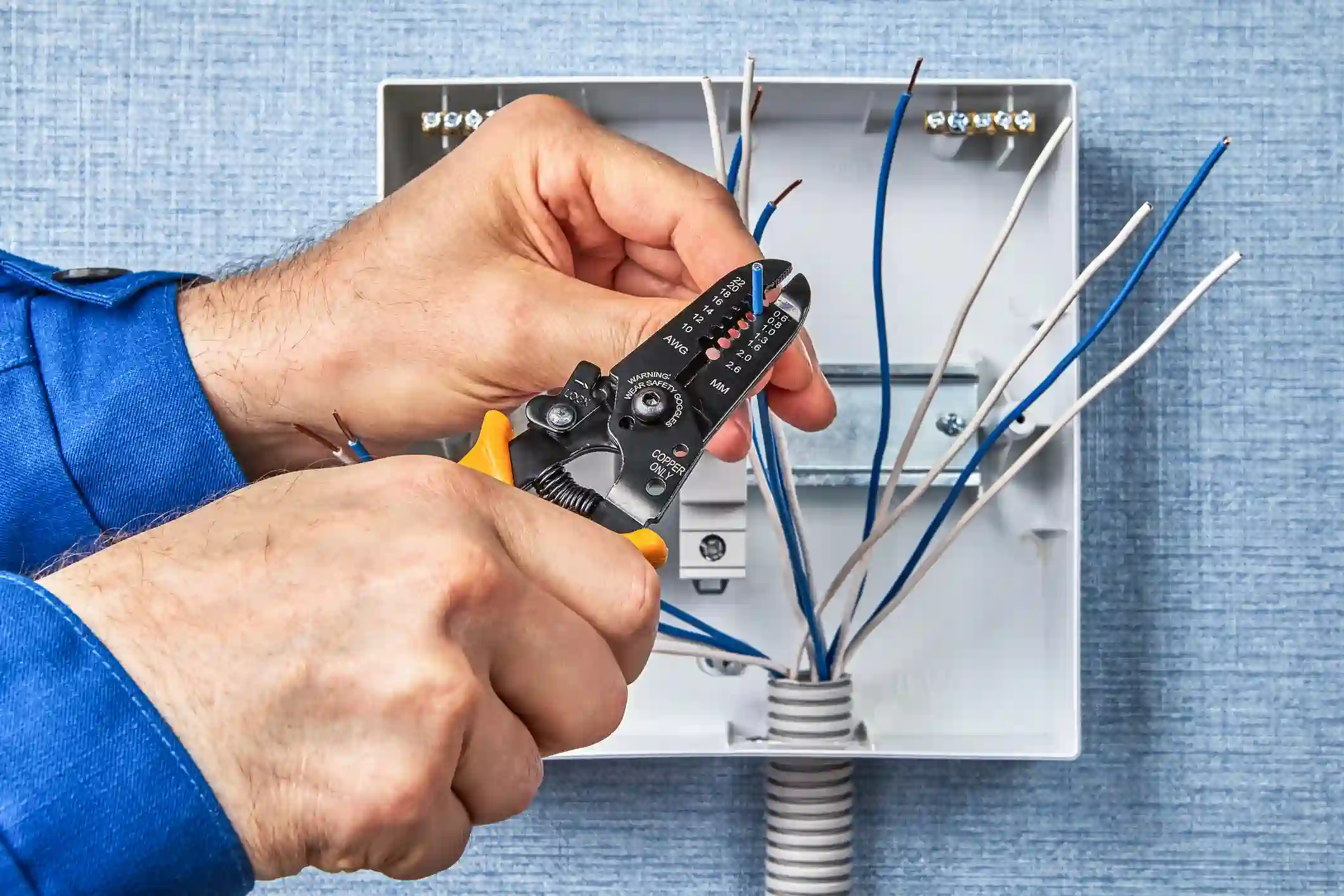
A panel upgrade is a significant service aimed at modernizing your home's electrical backbone. When you engage professional services for this task, you are purchasing peace of mind, compliance, and capacity. The scope of work involves removing the old hardware and replacing it with a new enclosure, bus bar, and circuit breakers that meet current National Electrical Code (NEC) standards.
- Capacity Assessment: The process begins with a load calculation. Technicians evaluate the total amperage your home currently draws and project future needs. Most upgrades involve moving from 100-amp service to 200-amp service to provide ample headroom for modern living.
- Code Compliance and Grounding: New panels must meet strict grounding requirements. This often involves driving new ground rods outside your home or bonding the system to the water main. This step is non-negotiable for passing city inspections and ensuring the system can safely divert stray voltage.
- Circuit Identification: One of the most tangible benefits for the homeowner is clear labeling. During the upgrade, electricians trace and label every circuit. You will no longer have to guess which switch controls the kitchen outlets or the bedroom lights.
- Timeline: While the technical work is complex, the disruption is managed tightly. In most cases, power is cut for a single day, usually between four to eight hours. The goal is to have your power restored the same day, with final inspections scheduled shortly thereafter.
Our Electrical Panel Upgrade Process: From Inspection to Installation
We follow a rigorous, step-by-step protocol to ensure every installation is safe, legal, and durable. This systematic approach eliminates guesswork and ensures that your home in Converse receives a top-tier electrical foundation.
- Initial Site Visit and Load Calculation: The first step involves a physical inspection of your current meter base, service entrance cable, and main panel. We check for signs of wear, water damage, and code violations. We then calculate the electrical load based on the square footage of your home and major appliances to determine the correct panel size.
- Permitting and Utility Coordination: Before any wire is cut, we handle the administrative heavy lifting. This involves pulling the necessary electrical permits from the City of Converse and coordinating with the local utility provider to schedule a temporary disconnect of power. This coordination is vital to ensure the work is legal and that power is restored promptly.
- Demolition and Removal: On the day of installation, the utility company disconnects the power at the service drop. We then remove the old panel, carefully disconnecting existing circuits. Old breakers and compromised wiring are disposed of responsibly.
- Installation of New Hardware: We mount the new panel enclosure, ensuring it is level and weather-tight if located outdoors. We install the main service cable and the new grounding system. This is the most technical phase, requiring precise torque on all connections to prevent future arcing.
- Circuit Wiring and Organization: Existing branch circuits are fed into the new panel. We install new Arc Fault Circuit Interrupters (AFCI) and Ground Fault Circuit Interrupters (GFCI) where required by code to provide enhanced protection against fires and shocks. Wires are routed neatly, secured, and labeled.
- Final Inspection and Re-energization: Once the installation is complete, the city inspector reviews the work. Upon approval, the utility company is notified to reconnect the power. We then test every circuit to verify voltage stability and proper operation.
Deciding Between Electrical Panel Repair vs. Upgrade: What You Need to Know
Homeowners often wonder if a full replacement is necessary or if a simple repair will suffice. While repairs can solve minor issues, the electrical panel is a component where "patching" problems can be dangerous. Understanding the distinction between a repairable issue and a sign of systemic failure is essential for making a financially and safety-conscious decision. ReliaBee Air, Electric, & Plumbing helps you navigate this choice by evaluating the age and condition of your equipment.
When Repair is Appropriate:
- Single Breaker Failure: If only one circuit is tripping and the panel is relatively new (under 15 years old), the breaker itself may be faulty or the circuit overloaded. Replacing a single breaker is a standard repair.
- Loose Connections: Sometimes, the vibration from electrical hums can loosen screws over time. If the bus bar is in good condition, tightening connections or re-terminating a specific wire can solve flickering light issues.
- Physical Damage to the Door: If the panel interior is healthy but the door latch is broken, a mechanical repair is often all that is needed.
When Replacement is Required:
- Panel Age Over 25 Years: Electrical panels have a lifespan. If your unit is over 25 years old, internal components have likely degraded. The materials used in older breakers can become brittle and less responsive to overcurrents.
- Obsolete Brands: Certain panel brands, such as Federal Pacific Electric (FPE) or Zinsco, have documented design flaws that create significant fire risks. These panels do not trip reliably and should be replaced immediately, regardless of their apparent operating condition.
- Rust and Corrosion: If you see rust on the bottom of the panel or on the breakers, water has infiltrated the system. Corrosion increases resistance, creates heat, and cannot be "repaired." The entire unit must be swapped out.
- Warmth or Burning Smells: A panel that is hot to the touch or emits a fishy, burning smell indicates severe internal arcing or melting. This is an emergency situation requiring full replacement.
- Need for More Power: If you are adding a central AC unit, a hot tub, or a remodeling addition, a 100-amp panel may physically lack the space for new breakers or the capacity for the new load. An upgrade to 200 amps is the only viable path.
Local Permitting and Seasonal Considerations for Electrical Upgrades in Converse, TX
Operating in Converse requires specific knowledge of local amendments to the National Electrical Code and an understanding of the regional climate. Electrical work is not one-size-fits-all; local factors heavily influence the materials used and the scheduling of projects.
- Permitting Requirements: The City of Converse enforces strict adherence to safety codes for all service panel upgrades. A permit must be pulled before work begins, and a final inspection is mandatory before the permit is closed. This process ensures that the work is verified by a third-party municipal inspector, providing the homeowner with proof of safety for insurance purposes. Unauthorized work can lead to heavy fines and issues when selling the home.
- Utility Coordination: Working with the local energy provider is a critical step. In this region, strict protocols exist for disconnecting and reconnecting the service drop. We handle all communication with the utility to ensure the meter is pulled safely and re-installed immediately after the city inspection passes.
- Summer Heat and Scheduling: Central Texas summers bring intense heat, with temperatures frequently exceeding 90°F. Since a panel upgrade requires cutting power to the home, your air conditioning will be offline during the installation. To mitigate discomfort, we prioritize early morning start times during the summer months to ensure the AC is back on before the peak heat of the late afternoon.
- Storm Season and Surge Protection: Spring and early summer in this area often bring severe thunderstorms and lightning. These weather events cause power surges that can destroy appliances and electronics. A panel upgrade is the perfect time to install a whole-home surge protector directly into the new panel. This device acts as a gatekeeper, diverting high-voltage spikes away from your home’s internal wiring, offering protection that plug-in strips cannot match.
Why Choose Us: Licenses, Certifications, and Customer Testimonials
Selecting the right contractor for an electrical panel upgrade is a decision that impacts the long-term safety of your property. You need a team that prioritizes technical precision over speed, ensuring that every wire is torqued to specification and every circuit is grounded correctly.
- Licensed and Insured: We operate with full state and local licensing required for performing electrical service changes. Our insurance coverage protects your property throughout the installation process.
- Code Expertise: Our team stays updated on every revision of the NEC and local Converse amendments. We do not cut corners; we build systems that pass inspection on the first attempt.
- Safety-First Protocols: From using the correct gauge of service entrance cable to ensuring proper arc-fault protection in bedrooms, our protocols are designed to exceed minimum safety standards.
- Transparent Communication: We provide clear, upfront explanations of the work required. You will understand exactly what is being installed, why it is necessary, and how it improves your home’s functionality.
Protect Your Home With a Modern, Safer Electrical Panel
Your home’s electrical system is too important to leave to chance or outdated equipment. A modern panel provides the foundation for a safe, energy-efficient, and technology-ready home. Ensure your property is protected against fire hazards and prepared for future energy demands.
Secure your home’s electrical future today; contact ReliaBee Air, Electric, & Plumbing to schedule your comprehensive panel evaluation.

Current Offers for
San Antonio Homeowners
Free Plumbing Safety Check


$59 AC Tune-Up
5% OFF FOR SENIORS
5% OFF FOR VETERANS & FIRST RESPONDERS

5% OFF FOR EDUCATORS


What Your Neighbors Are Saying