AC Repair in Live Oak, TX

Restore Cool Air Quickly When Your System Fails
When your air conditioning fails during a sweltering Live Oak summer, every minute without relief feels significantly longer, and the rising indoor temperature can threaten the safety of pets and vulnerable family members. Contact us immediately or use our financing options to restore your home's comfort without delay.
You need a solution that goes beyond a quick patch; you need a comprehensive repair that ensures the system handles the humid subtropical climate efficiently. ReliaBee Air, Electric, & Plumbing provides rapid response times and technical expertise to address the root cause of the breakdown.
- Same-day service availability ensures you are not left enduring the heat for extended periods.
- Certified technicians are on standby 24/7 to handle any cooling crisis, regardless of the make or model.
- We provide upfront, transparent pricing with no hidden fees, so you know the cost before work begins.
- All services are fully licensed, bonded, and insured for your complete peace of mind.
Comprehensive Diagnostics and Immediate Repair Solutions
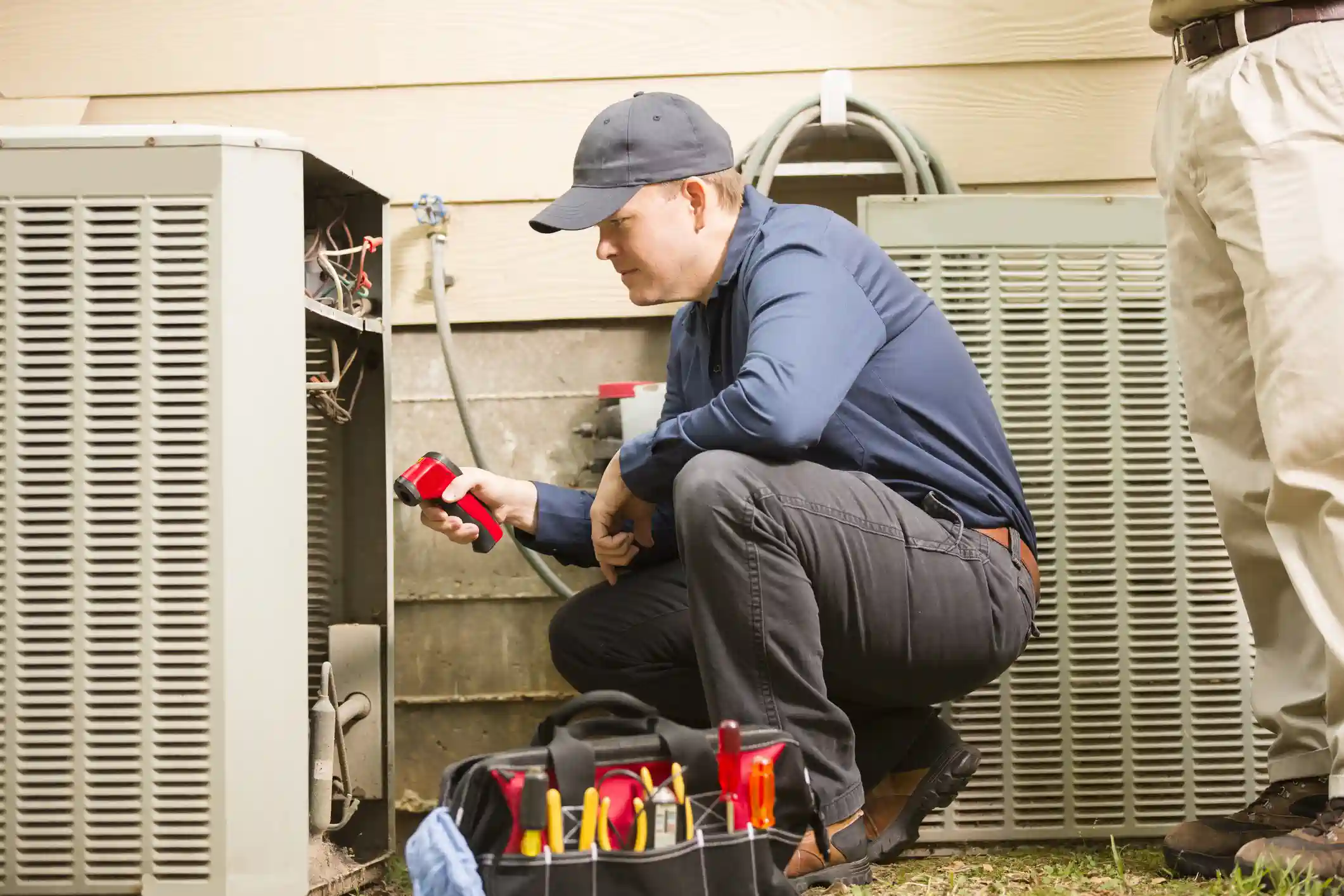
When you request service, the primary goal is accurate identification of the fault followed by an immediate resolution. A technician does not simply guess at the problem; they utilize advanced diagnostic tools to measure the system's performance against manufacturer specifications. This involves checking refrigerant pressures, measuring airflow, and testing electrical components for continuity and proper voltage.
In the Live Oak area, air conditioners work harder due to sustained high temperatures. This stress often manifests in specific component failures. Our service trucks come stocked with the most common parts required to get a system running again in a single visit. The focus is on minimizing downtime so your daily routine is not disrupted.
You can expect the following during the initial service visit:
- Full System Evaluation: A thorough inspection of the thermostat, indoor air handler, and outdoor condensing unit.
- Leak Detection: If refrigerant levels are low, technicians use electronic sniffers or UV dye to locate the source of the leak rather than simply topping it off.
- Electrical Safety Check: Inspection of wiring, capacitors, and contactors to prevent future electrical shorts or fire hazards.
- Airflow Analysis: Verification that the blower motor is moving sufficient air across the coils to prevent freezing.
Our Service Workflow: From Diagnosis to Restoration
Understanding the repair process helps alleviate the stress associated with a broken AC unit. The workflow is designed to be non-intrusive, efficient, and communicative. You are never left in the dark regarding what is being fixed or why it is necessary.
- Arrival and Protection: The technician arrives within the scheduled window, wearing shoe covers and using drop cloths to protect your flooring and property.
- Consultation: You provide details on what symptoms you noticed, such as strange noises, warm air blowing, or ice accumulation.
- Technical Inspection: The technician performs the diagnostic tests, isolating the faulty component.
- Clear Explanation and Quote: Before any repair work begins, you receive a detailed explanation of the issue and a flat-rate price for the repair.
- Execution of Repair: Upon your approval, the technician performs the necessary repairs using high-quality OEM or equivalent parts.
- System Testing: The unit is cycled on and off, and temperature differentials are measured to ensure the repair was successful and the system is cooling effectively.
- Site Cleanup: All debris and old parts are removed, leaving the workspace exactly as it was found.
Critical Components We Inspect and Repair
Air conditioning systems are complex machines with interdependent parts. When one component fails, it often places stress on others. Professional intervention focuses on the specific parts that are most prone to failure in this region.
Capacitors and Contactors
Electrical components are the most frequent points of failure. The capacitor stores energy to start the compressor and fan motors. When it fails, the system may hum but fail to start, potentially overheating the compressor. Contactors control the flow of electricity to the unit; worn contactors can cause arcing or prevent the unit from turning off.
Compressor Health
The compressor is the heart of the system. Issues here can range from "hard starting" to complete seizure. Technicians check the amperage draw of the compressor to determine if it is working within safe limits. High amperage often indicates internal wear or a system blockage.
Evaporator and Condenser Coils
Dirty or damaged coils reduce the system's ability to exchange heat. In Live Oak, pollen and dust can coat the outdoor condenser coil, causing the system to run longer to achieve the same cooling effect. Leaks in the evaporator coil are also common and require specialized repair or replacement.
Refrigerant Levels
An AC unit is a sealed system. Low refrigerant indicates a leak or improper installation. Technicians are trained to handle refrigerants like R-410A safely and in accordance with EPA regulations. Correcting the charge is vital for energy efficiency and cooling capacity.
Deciding Between AC Repair or Replacement
Homeowners often face the difficult decision of whether to invest in a repair or opt for a full system replacement. This decision depends on several factors, including the age of the unit, the cost of the repair, and the system’s recent performance history. Making the right choice now can save significant money in energy bills and future service calls.
The 50% Rule
A general guideline used in the industry is the 50% rule. If the cost of the repair approaches or exceeds 50% of the value of a new system, replacement is generally the more strictly financial choice. This is especially true if the unit is out of warranty.
Age of the Equipment
Most air conditioning systems have a lifespan of 10 to 15 years. If your unit is over 10 years old and requires a major repair—such as a compressor or motor replacement—investing in a new, high-efficiency unit is often wiser. Older units likely use R-22 refrigerant, which is phased out and extremely expensive to replace.
Frequency of Breakdowns
If you have required repairs multiple times in the last two years, the system is likely nearing the end of its reliable life. "Nickel and diming" repairs can quickly exceed the monthly cost of financing a modern system.
Energy Bills
Rising energy bills without a change in usage habits indicate the system is losing efficiency. A modern system can lower cooling costs by 20% to 40%, helping to offset the installation investment.
Managing Live Oak Humidity and Local Climate Factors
The climate in Live Oak presents specific challenges for air conditioning infrastructure. The humid subtropical environment means your AC isn't just lowering the temperature; it is also responsible for aggressive dehumidification. High humidity levels can make the air feel warmer than it actually is, causing homeowners to lower the thermostat further and overwork the system.
Condensate Drain Maintenance
Because the system removes significant moisture from the air, the condensate drain line is critical. Algae and mold thrive in the warm, wet environment of the drain line, leading to clogs. A clogged drain can trigger safety switches that shut down the unit or, worse, cause water damage to ceilings and floors. Regular clearing of these lines is a standard part of effective repair and maintenance.
Insulation and Ductwork
The heat gain from attics in this region can be intense. If ductwork is poorly insulated or has leaks, the cooled air is lost before it reaches the living space. Technicians inspect accessible ductwork to ensure that the capacity of the AC unit isn't being wasted due to structural inefficiencies.
Start-Up After Seasonal Lulls
While winters are mild, the transition from cooler weather to sudden spring heat often exposes dormant issues. Systems that have sat inactive may have seized motors or electrical connections that have loosened due to thermal expansion and contraction.
The Value of Professional Certification and Local Expertise
Attempting DIY repairs on high-voltage equipment is dangerous and can void manufacturer warranties. Modern AC units rely on complex circuit boards and precise refrigerant charges that require specialized training to manage.
Choosing a professional service ensures:
- Warranty Preservation: Manufacturers require proof of professional service to honor parts warranties.
- Safety Compliance: Technicians follow all local building codes and safety protocols regarding electricity and pressurized gases.
- Accurate Tooling: Specialized gauges, vacuum pumps, and recovery machines are necessary for proper repair.
ReliaBee Air, Electric, & Plumbing employs technicians who understand the nuances of local homes and the specific demands placed on cooling systems in this area. From navigating local permit requirements for major repairs to understanding the electrical grid fluctuations that can damage sensitive components, local expertise translates to more reliable repairs.
Act Now to Bring Comfort Back to Your Home
Don't let a broken air conditioner compromise your safety or comfort for another hour. Secure expert assistance that prioritizes speed, accuracy, and long-term reliability. Contact us to schedule your emergency repair and restore your home’s cooling today.

Current Offers for
San Antonio Homeowners
Free Plumbing Safety Check


$59 AC Tune-Up
5% OFF FOR SENIORS
5% OFF FOR VETERANS & FIRST RESPONDERS

5% OFF FOR EDUCATORS


What Your Neighbors Are Saying