HVAC Repair in Live Oak, TX

Rapid Response for Complete HVAC System Failures
Is your AC failing in the searing summer heat or leaving you cold during a sudden winter dip? Contact us now to secure an appointment for immediate diagnostics and repair.
When your climate control system stops working effectively in Live Oak, the impact on your home comfort is instant and severe. You need a solution that addresses the root cause of the breakdown without unnecessary delays or guesswork.
- Benefit from same-day emergency repairs to restore safety and comfort.
- Enjoy seamless HVAC maintenance and efficiency enhancements that prolong unit life.
- Ensure year-round comfort with expert system installations and comprehensive check-ups.
All services are fully licensed, bonded, and come with a comprehensive warranty to protect your investment. ReliaBee Air, Electric, & Plumbing provides the expertise required to navigate these urgent situations with precision.
Comprehensive Diagnostics and Immediate Repair Solutions
When an HVAC technician arrives at your property, the objective is to move swiftly from troubleshooting to resolution. The process begins with a thorough assessment of the system's vital signs. In a climate where high humidity and intense heat are the norms, systems often face specific stress points that require targeted attention. You are not looking for a temporary patch; you need a repair that restores the unit to its manufacturer specifications.
Modern HVAC systems are complex networks of electrical components, refrigerants, and airflow mechanics. A breakdown rarely has a single symptom. You might experience weak airflow, strange mechanical grinding noises, or a complete refusal of the system to turn on. The diagnostic phase involves checking refrigerant levels, testing electrical voltage across capacitors and contactors, and inspecting the integrity of the heat exchanger or evaporator coils.
The service includes a fully stocked vehicle prepared to handle the vast majority of common repairs on the spot. This minimizes downtime. Whether the issue lies within the outdoor condenser unit or the indoor air handler, the focus remains on getting the system running efficiently again. This approach ensures that your home returns to a livable temperature as quickly as possible, mitigating the risks associated with prolonged exposure to extreme temperatures.
Addressing Cooling Component Failures
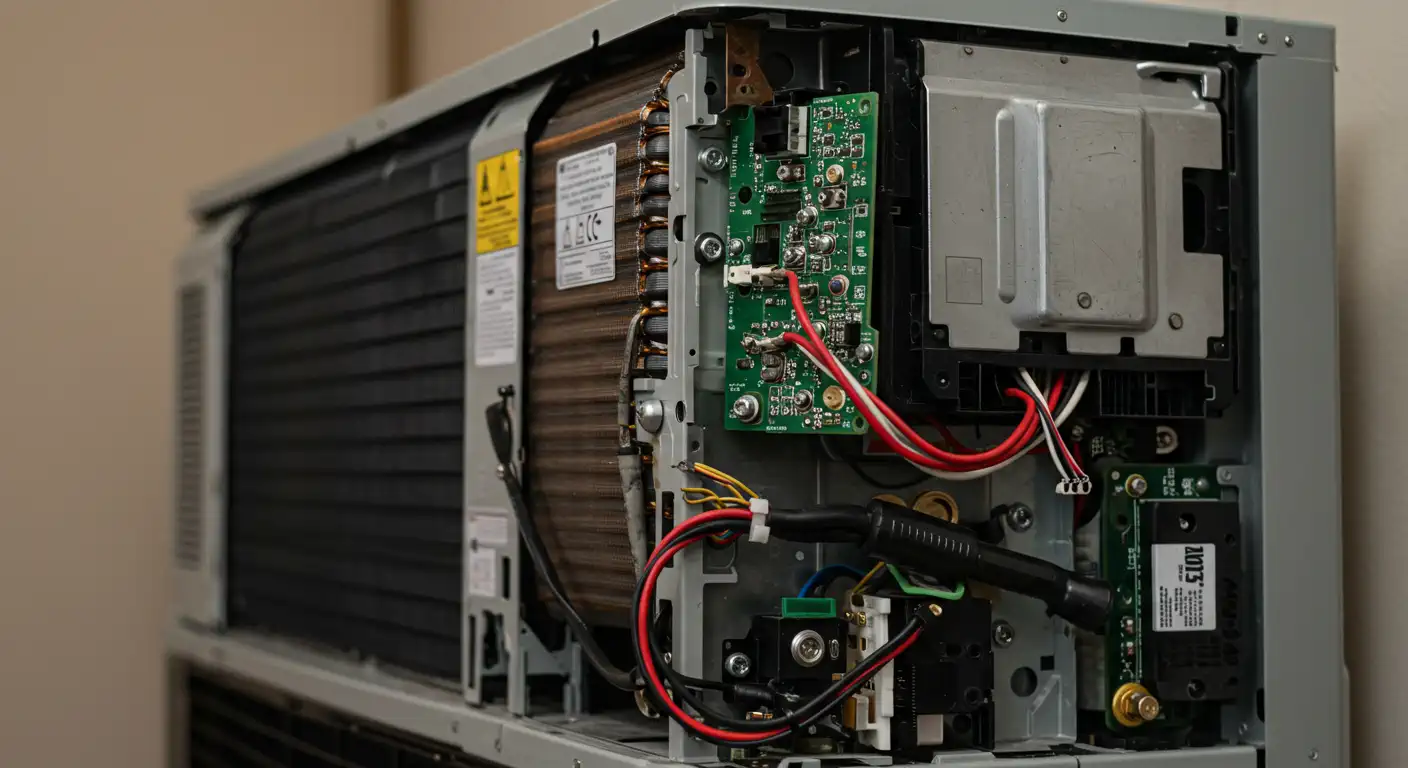
In the height of summer, the cooling cycle is under immense pressure. Common points of failure often involve the capacitor, which provides the electrical torque needed to start the compressor and fan motors. If this component bulges or fails, the entire system halts. Technicians inspect these electrical components immediately.
Another frequent issue involves the condensate drain line. With the high moisture content in the air in this region, your system pulls gallons of water out of the air daily. If the drain line clogs with algae or debris, safety switches will trip to prevent water damage, shutting down the AC. Clearing these lines and treating them to prevent regrowth is a standard part of the repair scope.
Resolving Heating System Malfunctions
While winters are milder here, the shift to heating can reveal dormant issues. Heat pumps must reverse their refrigerant flow, and furnaces must ignite safely. Issues often arise with the reversing valve in heat pumps or the ignition sequence in gas furnaces. A professional repair ensures that carbon monoxide is properly vented and that the heat exchanger is free of cracks, ensuring your safety while restoring warmth.
A Systematic Approach to Restoring Your Climate Control
Understanding how the repair process unfolds helps you plan your day and sets expectations for the service visit. Professional HVAC repair is not a chaotic endeavor; it follows a strict, logical sequence designed to identify the problem and implement a fix that lasts.
- Initial Site Assessment: The process starts with a discussion about what you are experiencing. Information regarding when the noise started, how long the unit has been struggling, or recent spikes in utility bills helps narrow down the potential culprit.
- System Isolation and Testing: Power is safely disconnected to specific components to test them individually. Technicians measure superheat and subcooling to determine if the refrigerant charge is correct, which is critical for both cooling capacity and energy efficiency.
- Visual and Mechanical Inspection: The technician examines the blower motor for dust buildup, checks the condition of the belts (if applicable), and inspects the ductwork connections near the unit for air leaks that could be compromising system pressure.
- Proposal and Authorization: Once the issue is identified, you receive a clear explanation of the failure and the necessary steps to fix it. This includes a breakdown of parts and labor. No work proceeds without your explicit approval.
- Execution of Repair: The technician replaces the faulty part, welds refrigerant lines if a leak was found, or recalibrates the thermostat. This step is performed using industry-standard tools to ensure precision.
- System Verification: After the repair, the system is not just turned on; it is tested. Temperature differentials between the supply and return air are measured to ensure the unit is actually cooling or heating to spec.
- Clean Up and Debrief: The work area is cleaned, and the technician explains what was done, providing advice on how to prevent future occurrences.
Determining the Best Path for Your Home Comfort
Homeowners often face a difficult choice when a major component fails: should you approve the repair or invest in a new system? This decision requires analyzing financial data and technical health rather than acting on impulse. There are clear indicators that help guide this decision toward the most improved outcome for your home.
The Age and Reliability Factor
HVAC systems generally have a lifespan of 10 to 15 years, depending on maintenance history and usage intensity. If your unit is approaching or has surpassed the 12-year mark, major repairs become less essentially viable. A compressor replacement in an old unit is often a sunk cost, as other components are likely to fail shortly after. However, if the unit is under seven years old, repair is almost always the correct financial move unless the warranty has been voided.
The Cost-Benefit Calculation
Industry experts often recommend the "50% Rule." If the cost of the repair approaches 50% of the value of a brand-new system, replacement is the smarter option. New systems come with updated warranties and higher efficiency standards that lower monthly operational costs. Conversely, for minor electrical fixes or sensor replacements, repair is the undisputed choice.
Frequency of Breakdowns
Consider the history of the unit. Has it required multiple service calls in the last two years? A system that breaks down annually is signaling the end of its reliable service life. Continuing to patch a dying system can cost more in accumulated repair bills and wasted energy than a monthly payment on a modern, high-efficiency replacement.
Efficiency and Comfort Consistency
As systems age, they lose their SEER (Seasonal Energy Efficiency Ratio) rating due to wear and tear. If you have noticed a steady climb in your energy bills despite consistent usage habits, the system is working harder to provide the same amount of cooling. If the repair cannot restore the unit to near-original efficiency, replacement offers a better long-term return on investment.
Navigating Local Climate Demands and Regulations
Operating an HVAC system in Live Oak requires adherence to specific regional demands. The climate here is characterized by hot, humid summers where temperatures regularly stay in the upper 90s, and mild winters that can still drop to freezing. This fluctuation demands a versatile system capable of heavy dehumidification in the summer and reliable heating in the winter.
Handling Humidity and Load Calculations
The high humidity levels in this part of Texas mean that your air conditioner is a dehumidifier first and a cooler second. If a unit is short-cycling (turning on and off too quickly) due to a bad repair or improper sizing, it will cool the air but fail to remove moisture. This leads to a clammy indoor environment and increases the risk of mold growth in ductwork. Professional repairs focus on ensuring long run times that effectively pull moisture from the air.
Permitting and Code Compliance
When significant repairs or replacements are undertaken, local building codes must be respected. This ensures that electrical connections meet current safety standards and that refrigerant is handled according to EPA regulations. Specific requirements regarding safety switches and condensate disposal are strictly enforced in this region to prevent water damage to structures. Professional service providers manage these compliance issues seamlessly, ensuring that your home remains up to code and that manufacturer warranties remain valid.
Utility Considerations
Local energy providers may offer rebates or incentives for maintaining high-efficiency systems. Ensuring your repair keeps your unit running within specific efficiency tiers can sometimes qualify you for these programs. Furthermore, properly maintained systems reduce the load on the local grid during peak summer usage, minimizing the risk of localized power surges that can damage sensitive electronics.
Why Professional Intervention Matters
Attempting DIY repairs on HVAC systems is dangerous and often costlier in the long run. These systems operate with high-voltage electricity, flammable gases, and refrigerants stored under high pressure. ReliaBee Air, Electric, & Plumbing technicians possess the certifications and specialized tools required to manage these risks safely.
Electrical Safety and Precision
A multimeter can tell you if a wire is live, but it takes training to understand why a contactor is pitted or why a motor is over-amping. Misdiagnosing an electrical issue can lead to short circuits that fry the control board or, worse, cause electrical fires. Professionals identify the root electrical fault rather than just replacing the fuse that blew.
Refrigerant Handling
Handling refrigerants requires an EPA 608 certification. Venting refrigerant into the atmosphere is illegal and environmentally harmful. Professional technicians use recovery machines to capture old refrigerant and precision scales to weigh in the exact amount needed for the factory charge. An undercharged or overcharged system will never cool effectively and will die prematurely.
Warranty Preservation
Most manufacturer warranties explicitly state that repairs must be performed by a licensed professional. DIY attempts or work by unlicensed handymen often void these warranties immediately. By utilizing professional services, you ensure that the paper trail for your equipment remains intact, protecting your coverage for future claims.
Specialized Tooling
Proper repair requires more than a screwdriver. It requires vacuum pumps to remove moisture from the lines, micron gauges to verify tight seals, and psychrometers to measure wet-bulb temperatures. These tools ensure that the system is not just "running" but is calibrated to the exact thermodynamics required for your home.
Long-Term Reliability
The goal of a professional service call is to prevent the next one. By inspecting the entire system during a repair visit, technicians can spot wearing belts, rusting pans, or fraying wires that haven't failed yet but will soon. This proactive approach saves you from facing another emergency breakdown a month down the road.
Securing Your Home Comfort
When your HVAC system falters, time is of the essence. You need a solution that is technically sound, financially logical, and executed with respect for your home and time. The difference between a quick patch and a comprehensive repair is the difference between recurring headaches and long-term peace of mind.
From diagnosing complex electrical failures to managing the specific humidity challenges of the Live Oak area, the right expertise ensures your system protects your family from the elements. Don't let a breakdown compromise your comfort for another hour.
Call ReliaBee Air, Electric, & Plumbing today to schedule your repair and restore your home's perfect climate.

Current Offers for
San Antonio Homeowners
Free Plumbing Safety Check


$59 AC Tune-Up
5% OFF FOR SENIORS
5% OFF FOR VETERANS & FIRST RESPONDERS

5% OFF FOR EDUCATORS


What Your Neighbors Are Saying