Electrical Panel Upgrade in Live Oak, TX

Experiencing Issues with Your Electrical Panel?
Facing frequent breaker trips or need to accommodate new appliances? It might be time for an electrical panel upgrade to ensure your home can handle modern energy demands safely. For immediate assistance with your electrical system, contact us a or reach out online to schedule an inspection.
Homeowners in Live Oak, TX often overlook the main service panel until lights start flickering or a breaker refuses to reset. Your electrical panel is the heart of your home’s power system, distributing electricity to every outlet and appliance you own. When this system becomes obsolete or damaged, it poses significant fire risks and functional inconveniences. ReliaBee Air, Electric, & Plumbing provides comprehensive diagnostic and replacement services to bring your electrical infrastructure up to current safety codes.
- Quick inspection and assessment to determine the need for a simple breaker upgrade or a full panel rewiring.
- Upfront pricing estimates provided for everything from basic 200-amp upgrades to comprehensive heavy-up solutions.
- Necessary permits and municipal inspections are handled entirely by our team for a seamless installation experience.
All services come with a full warranty and permit acquisition to ensure your upgrade meets local codes with no hassle.
Modernizing Your Home’s Electrical Infrastructure
An electrical panel upgrade is more than just swapping out a grey metal box; it is a critical renovation that dictates the safety and efficiency of your entire property. Many older homes were built when energy consumption was significantly lower. Today, the average household runs central air conditioning, high-efficiency washers, electric vehicle chargers, and multiple high-draw electronics simultaneously. A standard 100-amp panel, common in older construction, often lacks the capacity to support this load without overheating or tripping.
When you invest in a panel upgrade, you are effectively increasing the bandwidth of your home's power supply. The service typically involves replacing the old breaker box with a new model that offers higher amperage capacity—usually 200 amps or more—and more physical space for circuits. This ensures that you have dedicated circuits for major appliances, reducing the electrical noise and fluctuations that can damage sensitive electronics.
The scope of this service includes the removal of the existing panel and the installation of a new circuit breaker box with new breakers. It also covers the grounding and bonding of the electrical system, which is essential for diverting stray voltage away from people and equipment. In many cases, the service entrance cable—the wire connecting the utility meter to your panel—must also be replaced to handle the increased amperage.
- Capacity Expansion: upgrading to 200-amp service to support central HVAC, hot tubs, and EV charging stations.
- Circuit Optimization: Adding dedicated circuits for high-demand appliances to prevent overloading.
- Safety Integration: Installation of AFCI (Arc Fault Circuit Interrupter) and GFCI (Ground Fault Circuit Interrupter) breakers where required by code.
- System Bonding: Ensuring gas and water pipes are properly bonded to the electrical ground for total system safety.
- Smart Capabilities: Options to install smart panels that allow you to monitor energy usage circuit-by-circuit via a smartphone app.
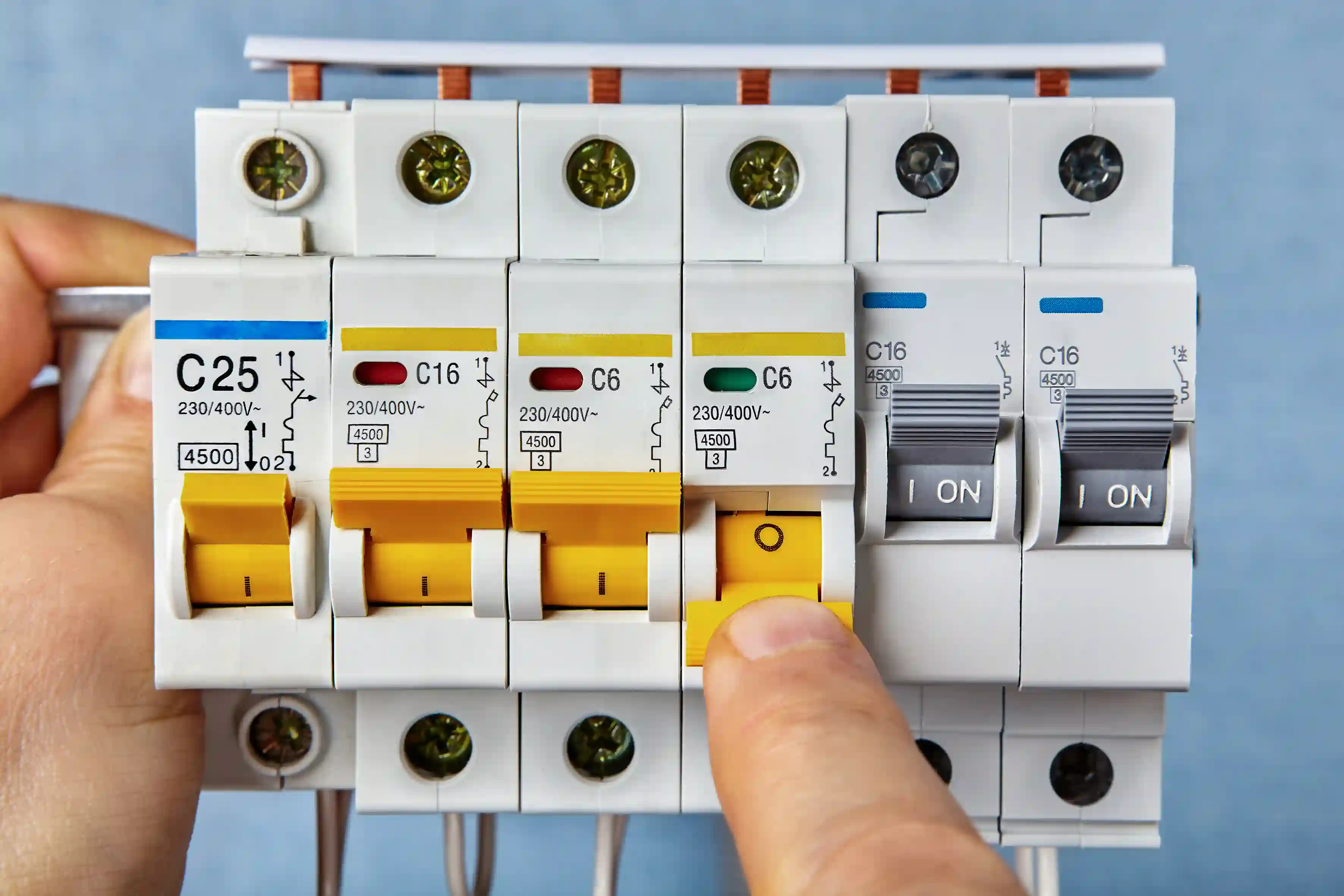
The Panel Upgrade Process Step-by-Step
Understanding the workflow of an electrical panel upgrade helps homeowners prepare for the brief power interruption and ensures the project moves forward smoothly. This is a technical process that requires coordination between the electrical contractor, the local utility company, and municipal inspectors. We adhere to a strict protocol to ensure safety and efficiency throughout the workday.
- Initial Load Calculation and Permitting: First, a licensed electrician performs a load calculation to determine exactly how much power your home requires based on square footage and appliance usage. Once the requirements are defined, the necessary permits are pulled from the local building department. This step is non-negotiable, as unpermitted work can complicate future home sales and void insurance policies.
- Utility Coordination and Power Disconnect: Next, coordination with the local utility provider is established to disconnect power to the home. This is the only time the house will be without electricity, typically ranging from four to eight hours. The meter is pulled, and the main service lines are de-energized to allow the electrician to work safely on the main bus bar.
- Panel Removal and Installation: The old panel is carefully disconnected and removed. The new enclosure is mounted, often requiring minor carpentry or masonry adjustments depending on the location. New service entrance cables are installed if the amperage is increasing. The electrician then methodically routes the existing branch circuit wires into the new box, connecting them to the new breakers.
- Grounding and Bonding: During the wiring phase, the grounding system is inspected and often upgraded. Two ground rods are typically driven into the earth outside the home, spaced at least six feet apart, and connected to the panel with a thick copper wire. This creates a low-resistance path for electricity to follow in the event of a surge or lightning strike.
- Labeling and Final Testing: Every circuit is traced and clearly labeled on the panel door schedule. This is a critical step often skipped by amateurs, but essential for the homeowner’s future convenience. Once wired, the power is reconnected by the utility, and the system is energized. The electrician tests every outlet and switch to verify proper voltage and polarity.
- Municipal Inspection: Finally, a city inspector visits the site to verify that all work meets the National Electrical Code (NEC) and local amendments. Once approved, the permit is closed out, and the job is considered complete.
Repair vs. Full Replacement: Making the Right Call
Determining whether to repair a specific breaker or replace the entire panel is a decision based on age, condition, and safety history. While a simple breaker replacement is inexpensive and quick, it is merely a bandage if the underlying infrastructure is failing. There are specific scenarios where repair is insufficient and a full replacement is the only responsible course of action.
Age and Obsolescence
Electrical panels generally have a lifespan of 25 to 40 years. If your home in Live Oak was built before 1980 and still has its original panel, it is likely due for replacement. Over time, the connections between the breakers and the bus bar can loosen, creating resistance and heat. If you hear a buzzing sound coming from the panel, this is often the sound of electricity arcing across a loose connection, which is an immediate fire hazard requiring replacement.
Known Safety Hazards
Certain panel brands installed decades ago have been identified as latent fire risks. If your home contains a Federal Pacific Electric (FPE) Stab-Lok panel or a Zinsco panel, experts unanimously recommend immediate replacement. These panels have design flaws where the breakers fail to trip during an overload, leading to melted wires and house fires. In this instance, repair is not an option; the equipment is fundamentally unsafe.
Physical Deterioration
Signs of physical damage are clear indicators for replacement. Rust on the bottom of the panel suggests water infiltration, likely through the service cable. Water and electricity do not mix; corrosion on the circuit breakers or bus bar compromises the conductivity and safety of the system. Scorch marks on the metal backing or melted insulation on wires indicate that the panel has already experienced dangerous overheating events.
Renovation and Expansion
If you are planning a kitchen remodel, finishing a basement, or adding a suite, you will likely trigger a requirement for a panel upgrade. Current electrical codes require dedicated circuits for many appliances that used to share lines. If your current panel is full and uses "tandem" or "cheater" breakers to cram two circuits into one slot, you have maxed out your capacity. A panel upgrade provides the physical space and amperage necessary to support your home improvement projects legally and safely — apply for financing online.
Critical Considerations for Live Oak Homeowners
Operating an electrical system in Texas presents unique challenges due to the climate and local regulations. The intense heat experienced during Live Oak summers places a relentless load on electrical panels. When outdoor temperatures exceed 90°F, air conditioning units run almost continuously. This high draw heats up the internal components of the electrical panel. An older, undersized panel may struggle to dissipate this heat, leading to nuisance tripping or premature component failure.
- Permitting and Code Compliance: The City of Live Oak enforces strict adherence to the National Electrical Code (NEC). Any significant alteration to the electrical system, including a panel upgrade, requires a permit. This process ensures that the work is performed by a licensed professional and inspected by a third party. Homeowners should avoid any contractor suggesting that a permit is unnecessary, as this exposes the homeowner to liability.
- Utility Requirements: Upgrading your panel often involves coordination with the local utility provider (such as CPS Energy or the specific provider for your zone). They have specific requirements regarding the placement of the meter can, the height of the service drop, and the type of conduit used. Experienced local electricians understand these utility-specific "Green Book" standards and ensure the installation passes the utility inspection first time, preventing delays in power reconnection.
- Weather Protection: Given the region's susceptibility to summer thunderstorms and occasional heavy rainfall, the weatherproofing of the outdoor meter and service entrance is vital. Inspecting the weatherhead (where overhead wires enter the conduit) and the watertight fittings prevents water from traveling down the cable and entering the electrical panel inside the house. ReliaBee Air, Electric, & Plumbing ensures all exterior penetrations are sealed against moisture and pests.
- Surge Protection: With the prevalence of lightning storms in the region, investing in a whole-home surge protector installed directly at the new panel is a wise decision for Live Oak residents. This device protects all appliances in the home from voltage spikes entering from the grid, offering a layer of security that power strips cannot provide.
Why Choose Professional Electrical Services
The electrical system is the most dangerous system in a residential property to work on without proper training. The risks associated with amateur electrical work include electrocution and electrical fires that can smolder behind walls undetected. Professional execution ensures that the invisible flow of power in your home is managed with precision and accountability.
Adherence to Strict Safety Protocols
Licensed electricians follow rigorous safety protocols to protect your home and family. This includes using properly rated materials, torqueing connections to manufacturer specifications to prevent loosening, and ensuring the grounding system is effective. A professional installation minimizes the risk of arc faults, which are a leading cause of electrical fires.
Long-Term Reliability and Value
A professional panel upgrade adds value to your property. It signals to future buyers that the home is well-maintained and capable of supporting modern living. Furthermore, professional work is backed by warranties on both labor and parts. If an issue arises post-installation, you have a dedicated partner to resolve it, rather than being left to troubleshoot a DIY error.
Comprehensive Diagnostic Capabilities
Professionals do not just swap parts; they diagnose the health of the system. During a panel upgrade, an electrician will often identify other pre-existing issues, such as ungrounded outlets or improper wiring in the branch circuits, and offer solutions to rectify them. This holistic approach ensures that the new panel is not just a shiny new box, but the control center for a safe and fully functional electrical system.
Investing in your electrical panel is an investment in the safety and longevity of your home. If you are noticing warning signs or simply want to ensure your system can handle the Texas heat, take action before a failure occurs. Contact ReliaBee Air, Electric, & Plumbing today to secure your home’s electrical future.
Ready to Upgrade Your Power?
Don't wait for a power failure to address your electrical panel needs. Ensure your home is safe, code-compliant, and ready for modern appliances. Schedule your electrical panel consultation now.

Current Offers for
San Antonio Homeowners
Free Plumbing Safety Check


$59 AC Tune-Up
5% OFF FOR SENIORS
5% OFF FOR VETERANS & FIRST RESPONDERS

5% OFF FOR EDUCATORS


What Your Neighbors Are Saying