Commercial HVAC in Live Oak, TX

Eliminate Operational Downtime Caused by Commercial HVAC Failures
Unexpected climate control failures or inefficiencies can immediately halt business operations, especially when facing the intense heat common in the Live Oak area. When your facility's cooling goes down, you need certified professionals who can restore safety and comfort without delay — request service today. Contact us now to schedule an emergency assessment or system repair.
- Rapid response teams deploy quickly to minimize operational downtime.
- Comprehensive commercial capabilities ranging from complex installations to routine maintenance.
- Transparent pricing structures and flexible financing options designed for business budgets.
All services are backed by strict adherence to local building codes, satisfaction guarantees, and manufacturer-compliant warranties.
Comprehensive Diagnostics and Commercial Repair Services
When a commercial HVAC system falters, the priority is diagnosing the root cause accurately to prevent recurring issues. Commercial systems are complex networks of mechanical, electrical, and airflow components that require specialized attention. ReliaBee Air, Electric, & Plumbing utilizes advanced diagnostic tools to isolate issues within rooftop units, split systems, or chillers. The goal is to move from diagnosis to resolution in a single visit whenever possible, ensuring your employees and customers remain comfortable.
Upon arrival, technicians assess the entire ecosystem of your climate control. This includes checking refrigerant levels, inspecting electrical connections for signs of wear or arcing, and verifying that airflow meets the design specifications of the building. In Live Oak, where humidity levels can fluctuate alongside high temperatures, ensuring that the system is not just cooling but also effectively dehumidifying is a critical part of the repair process.
Commercial repair services cover a wide spectrum of equipment and issues:
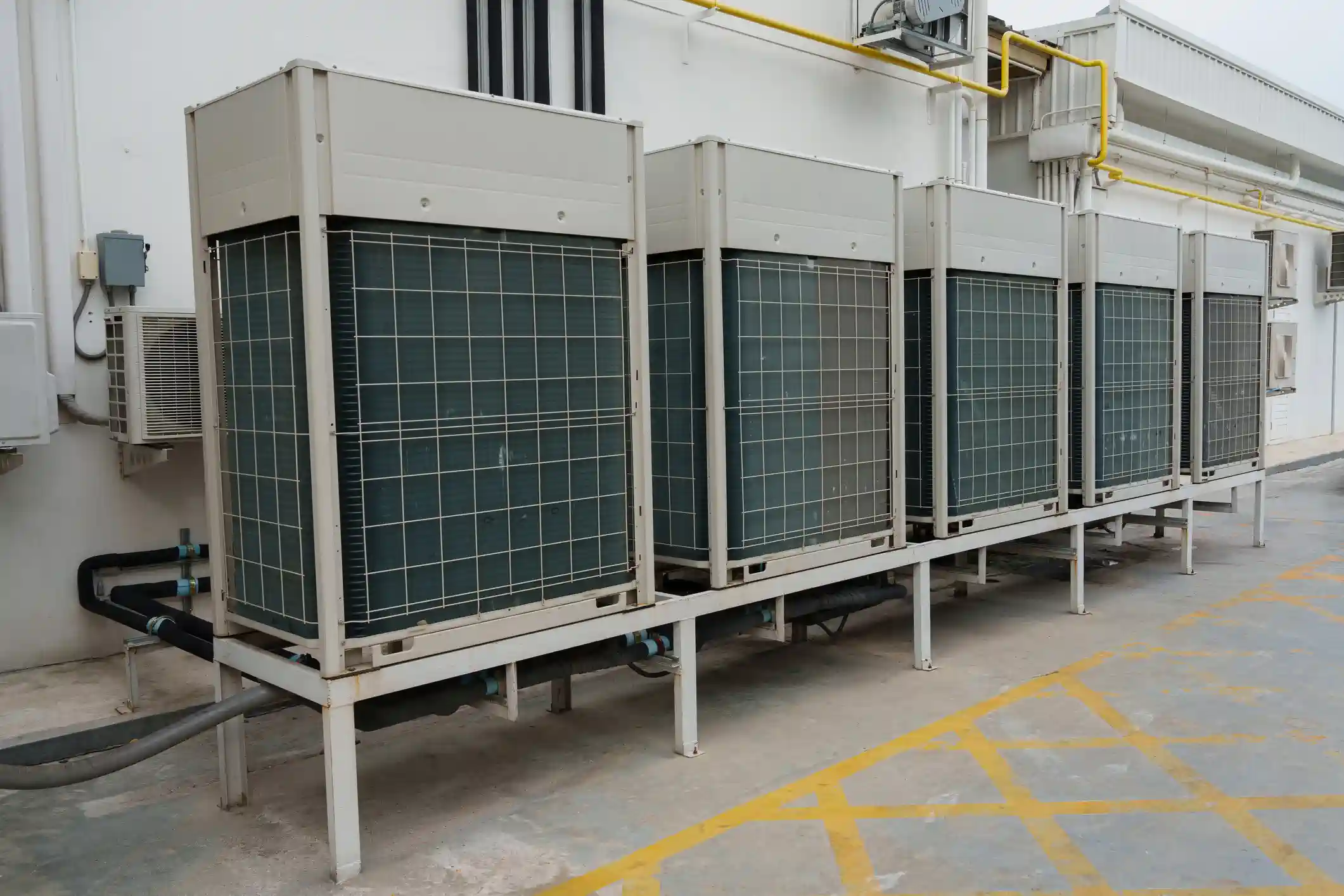
- Rooftop Units (RTUs): Technicians address issues with compressors, condenser coils, and belt-driven fans common in packaged units found on retail and office buildings.
- Split Systems: Repairs often focus on refrigerant leaks, communication errors between thermostat and unit, or drainage blockages that can lead to water damage.
- Control Systems: Modern commercial HVAC relies on building automation systems (BAS). Service includes recalibrating sensors and thermostats to ensure zones are heated or cooled according to occupancy needs.
- Air Quality Components: Inspection and repair of economizers and makeup air units to ensure fresh air intake standards are met without overloading the cooling capacity.
The Commercial Installation and Replacement Process
Installing or replacing a commercial HVAC system is a major logistical operation that requires precise planning to avoid disrupting daily business activities. The process moves beyond simple equipment swapping; it involves engineering a solution that matches the heat load of the building with the efficiency goals of the business.
Load Calculation and System Design
The process begins with a detailed load calculation. Commercial spaces in Texas have unique thermal profiles due to large windows, high occupancy rates, and heat-generating equipment.
- Technicians calculate the cooling load required to maintain a stable temperature even when outdoor temperatures exceed 100°F.
- Engineers select equipment that matches these requirements, preventing the installation of oversized units that cycle too frequently or undersized units that run continuously without reaching the setpoint.
- Ductwork design is evaluated to ensure proper static pressure and air velocity, guaranteeing that conditioned air reaches every corner of the facility.
Logistics and Site Preparation
Commercial installations often involve heavy equipment and rooftop access.
- Coordination involves scheduling cranes or lifts to hoist heavy rooftop units safely.
- Work is often scheduled during off-hours or low-traffic periods to ensure customer and employee access to the building is not impeded.
- Existing utility connections, including high-voltage electrical lines and gas piping, are inspected and upgraded if necessary to support high-efficiency modern units.
Installation and Commissioning
Once the equipment is in place, the physical installation connects the mechanical and electrical systems.
- Technicians braze refrigerant lines, connect high-voltage wiring, and seal duct connections to prevent air loss.
- Condensate drain lines are routed according to code to prevent water hazards.
- The commissioning phase involves a rigorous startup sequence. System pressures, temperatures, and electrical draw are measured against manufacturer specifications.
- Air balancing ensures that supply and return air volumes are correct for each zone.
Post-Installation Verification
The job is not complete until the system is proven to operate under load.
- Verification involves testing all modes of operation, including cooling, heating, and ventilation.
- Control systems are programmed to optimize energy usage based on operating hours.
- Maintenance personnel at the facility are trained on basic operation and filter changes.
Determining When to Replace vs. Repair Commercial Assets
Business owners often face the difficult decision of whether to invest in repairs for an aging system or authorize a capital expenditure for a full replacement. Making the right choice depends on a financial and operational analysis of the current asset.
The Age and Reliability Factor
Commercial HVAC systems generally have a lifespan of 15 to 20 years, depending on maintenance history and usage intensity.
- If a unit is over 15 years old and requires a major repair, such as a compressor replacement, replacement is often the more prudent financial decision.
- Frequent breakdowns that cause business interruptions indicate that the system has reached the end of its useful life. The cost of downtime often exceeds the annualized cost of a new system.
The Cost of Repair vs. Replacement Value
A common industry metric used to aid decision-making is the "5,000 Rule."
- Multiply the age of the unit by the estimated repair cost.
- If the total exceeds $5,000, replacement is generally recommended.
- If the total is less than $5,000, repair is likely the better short-term option.
Efficiency and Operating Costs
Older units often operate with significantly lower SEER (Seasonal Energy Efficiency Ratio) ratings compared to modern equipment.
- Replacing a 10 SEER unit with a modern high-efficiency unit can result in substantial monthly energy savings.
- In a climate like Live Oak, where cooling runs for a large portion of the year, these operational savings can offset the cost of installation over time.
- New systems often feature multi-stage compressors and variable-speed fans that adapt to the load, rather than running at 100% capacity constantly, further reducing energy consumption.
Refrigerant Considerations
Many older commercial systems utilize R-22 refrigerant, which has been phased out due to environmental regulations.
- Repairs involving R-22 are becoming prohibitively expensive due to scarcity.
- Modern systems use R-410A or newer refrigerants, which are compliant with current environmental standards and cheaper to service.
Navigating Local Climate Challenges and Regulations
Operating a commercial facility in this region requires specific attention to environmental factors and local regulations. The climate is characterized by hot, humid summers and mild winters, which places a heavy load on cooling equipment for the majority of the year.
Managing Heat and Humidity
The primary challenge is maintaining indoor comfort when outdoor temperatures soar.
- Commercial systems must be sized to handle peak heat loads without freezing up.
- Humidity control is essential for preventing mold growth and protecting inventory or sensitive equipment. High humidity can make an environment feel warmer than the actual temperature, forcing the AC to work harder.
- Dehumidification strategies often involve reheating coils or specialized operational modes that remove moisture without over-cooling the space.
Permitting and Code Compliance
Commercial HVAC work is subject to strict building codes to ensure safety and efficiency.
- Modifications to structural elements for rooftop units require structural integrity verification.
- Electrical connections must meet the National Electrical Code (NEC) and local amendments.
- Ventilation requirements (ASHRAE standards) mandate specific amounts of fresh air intake based on building occupancy and usage type. Ensuring compliance avoids fines and liability issues.
Seasonal Maintenance Requirements
Preventative maintenance is the key to longevity in this climate.
- Spring maintenance focuses on cleaning condenser coils, checking refrigerant charges, and testing electrical components before the summer heat arrives.
- Fall maintenance involves checking heating elements, heat exchangers, and safety controls to ensure reliable operation during occasional cold fronts.
- Regular filter changes and belt inspections prevent restricted airflow, which is a leading cause of compressor failure.
Operational Efficiency and Business Continuity
Investing in professional HVAC services is an investment in the operational stability of your business. A well-maintained climate control system does more than keep the air cool; it protects the bottom line.
Improving Employee Productivity and Customer Experience
- Studies consistently show that thermal comfort affects cognitive function and productivity. Employees working in an environment that is too hot or too humid are less efficient and more prone to errors.
- For retail and client-facing businesses, a comfortable environment encourages customers to stay longer. A breakdown during peak hours can drive customers to competitors.
Extending Equipment Lifespan
- Routine professional care reduces mechanical stress on components.
- Identifying and fixing minor issues, such as a loose belt or a dirty coil, prevents them from escalating into catastrophic failures.
- Documentation of professional maintenance is often required to keep manufacturer warranties valid.
Energy Management
- Calibrated thermostats and sensors ensure the system runs only when needed.
- Programmable and smart thermostats allow for setbacks during unoccupied hours, significantly reducing wasted energy.
- Proper insulation of ductwork prevents energy loss as air travels through unconditioned spaces like plenums or attics.
ReliaBee Air, Electric, & Plumbing focuses on delivering these efficiencies through technical expertise and a deep understanding of commercial requirements. By prioritizing rapid resolution and long-term system health, businesses can focus on their core operations rather than facility management headaches.
Secure Your Commercial Environment Today
Delaying necessary repairs or maintenance on your commercial HVAC system increases the risk of critical failure, potentially leading to lost revenue and uncomfortable working conditions. Whether you require immediate emergency repair, a comprehensive system replacement, or a tailored maintenance plan, professional intervention ensures your facility remains compliant and comfortable year-round — schedule service today.
Take control of your facility's climate. Contact us immediately to schedule a consultation or service dispatch.

Current Offers for
San Antonio Homeowners
Free Plumbing Safety Check


$59 AC Tune-Up
5% OFF FOR SENIORS
5% OFF FOR VETERANS & FIRST RESPONDERS

5% OFF FOR EDUCATORS


What Your Neighbors Are Saying