Heat Pump Installation in Live Oak, TX

Is Your Current HVAC System Failing to Handle High Humidity?
Tired of unpredictable temperatures and high energy bills in Live Oak while your system struggles to keep up with the humidity? Optimizing your home with an efficient heat pump installation may be the solution you need to restore comfort and control costs. Contact us today to schedule a comprehensive evaluation or ask about our flexible financing options.
- Enhance comfort with consistent, balanced indoor temperatures regardless of the season.
- Reduce energy usage significantly and potentially lower your monthly utility bills.
- Benefit from solutions specifically tailored to handle the hot, humid climate of the region.
Backed by full permits, lasting warranties, and flexible financing options, we ensure your investment is protected.
What You Get Today: Efficient Heat Pump Solutions
When you invest in a modern heat pump installation, you are purchasing more than just a piece of machinery; you are upgrading the entire environmental control system of your home. Unlike traditional furnaces that burn fuel to generate heat, a heat pump moves heat. In the summer, it acts exactly like a high-efficiency air conditioner, removing heat from your home. In the cooler months, it reverses the process, extracting ambient heat from the outdoor air—even when it is cold—and transferring it inside — schedule service today. This dual-function capability makes it an ideal solution for areas where extreme freezing is rare but cooling needs are high.
ReliaBee Air, Electric, & Plumbing provides comprehensive installation packages designed to maximize the lifespan and efficiency of your new unit. Modern systems come equipped with variable-speed compressors. Unlike older single-stage units that run at full blast and then shut off, causing temperature swings, variable-speed units adjust their output in tiny increments to match the heating or cooling load. This results in longer run times at lower speeds, which is the most effective way to dehumidify a home and maintain a constant temperature.
Your installation also includes a focus on energy ratings. We prioritize systems with high SEER2 (Seasonal Energy Efficiency Ratio) and HSPF2 (Heating Seasonal Performance Factor) ratings. Higher ratings translate directly to lower operational costs. By upgrading from an older 10 SEER unit to a modern 16+ SEER2 heat pump, homeowners often see a dramatic reduction in electricity usage. Furthermore, the installation includes a programmable or smart thermostat, allowing you to automate temperature settings based on your schedule, ensuring you never pay to heat or cool an empty house.
Installation Process: What to Expect
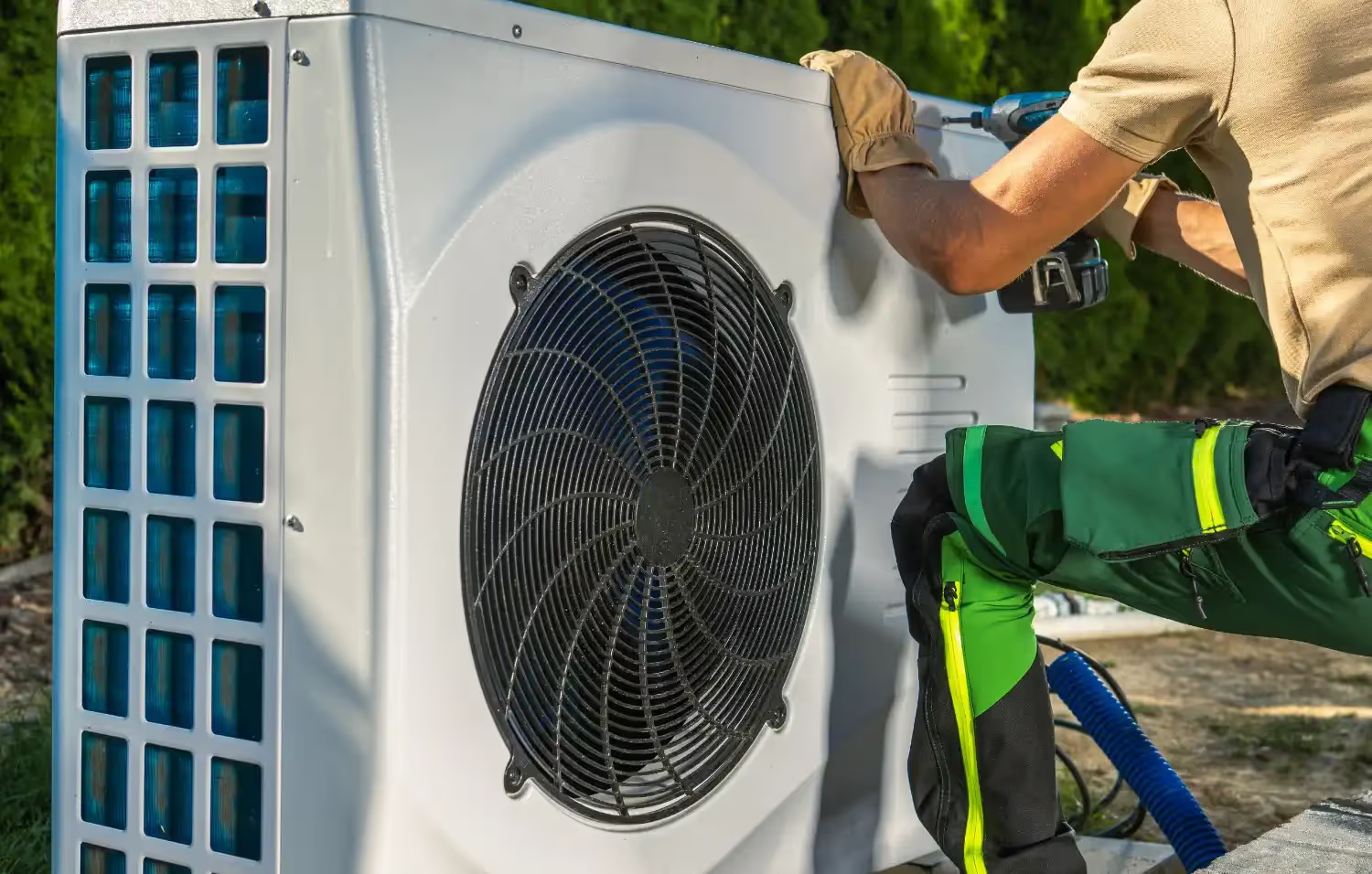
A professional installation is a multi-step process that ensures your system complies with manufacturer specifications and local building codes. We do not believe in shortcuts, as proper installation is the single most important factor in the longevity of your equipment.
- Load Calculation and Sizing: Before any equipment is ordered, technicians perform a Manual J load calculation. This engineering calculation considers the square footage of your home, insulation levels, window orientation, and even the number of occupants. This ensures the unit is sized perfectly. An oversized unit will short-cycle, failing to dehumidify, while an undersized unit will run constantly without reaching the set temperature.
- Site Preparation and Removal: Technicians protect your property with drop cloths and shoe covers before beginning work. The existing equipment is disconnected and removed safely. If the existing refrigerant line set is compatible and in good condition, it is flushed and cleaned; otherwise, new copper lines are installed. We also inspect the pad where the outdoor unit sits to ensure it is level and elevated enough to allow for proper drainage during Live Oak's wet seasons.
- Ductwork Inspection and Modification: A high-efficiency heat pump requires efficient airflow. The installation team inspects the accessible ductwork for leaks, disconnects, or kinks. If the existing plenum (the box connecting the unit to the ducts) needs modification to fit the new air handler, custom sheet metal work is performed on-site to create an airtight seal.
- System Connection and Electrical Safety: The indoor air handler and outdoor condenser are connected via refrigerant lines and low-voltage control wiring. High-voltage electrical connections are brought up to code, often requiring a new disconnect box for safety. A vacuum pump is used to remove all moisture and air from the refrigerant lines before the factory-specified refrigerant charge is released or adjusted.
- Testing and Commissioning: Once the physical work is done, the system is not just turned on; it is commissioned. Technicians measure static pressure, airflow, and temperature variance (delta T) to verify the system is performing exactly as the manufacturer intended. You are then walked through the operation of your new thermostat and given instructions on filter maintenance.
When to Consider Heat Pump Replacement Over Repair
Deciding between repairing an aging system or investing in a new installation can be difficult. However, there are clear financial and operational indicators that suggest replacement is the smarter economic choice.
- The 5000 Rule: Industry experts often recommend the "$5,000 Rule." Multiply the age of your equipment by the estimated cost of the repair. If the total exceeds $5,000, replacement is generally the better investment. For example, if you have a 12-year-old system requiring a $500 repair (12 x 500 = 6,000), the money is better spent on a new unit with a warranty.
- R-22 Refrigerant Phase-Out: If your current system was installed before 2010, it likely uses R-22 (Freon) refrigerant. This chemical has been phased out by the EPA. If your older unit develops a leak, sourcing R-22 is incredibly expensive and increasingly difficult. Investing in a repair for a system that relies on obsolete refrigerant is often throwing good money after bad.
- Rising Energy Bills: As heat pumps age, their internal components wear down and lose efficiency. Coil corrosion, compressor fatigue, and fan motor friction cause the unit to draw more amperage to do the same amount of work. If your utility bills have been creeping up despite normal usage, your system is likely near the end of its useful life.
- Inconsistent Comfort and Noise: If some rooms in your house are freezing while others are hot, or if the outdoor unit makes loud grinding or buzzing noises, these are signs of major component failure. A new installation solves airflow issues and provides whisper-quiet operation.
Live Oak Specific Notes: Weather, Permits, and Rebates
Operating a heat pump in Live Oak presents specific challenges and opportunities due to the local geography and climate. Understanding these factors helps in selecting the right equipment and ensuring a compliant installation.
- Humidity Control is Critical: With annual precipitation between 30 and 36 inches and high humidity year-round, your HVAC system must be an effective dehumidifier. We recommend two-stage or variable-speed heat pumps for this region. These units run for longer periods at lower capacity, which pulls more moisture out of the air than a standard single-stage unit. Lower humidity allows you to set the thermostat higher in the summer while feeling just as cool, saving energy.
- Mild Winters Maximize Efficiency: Because the winters here are mild with lows typically in the mid-40s, a heat pump is the most efficient heating source available. Unlike gas furnaces that lose some energy through exhaust, heat pumps transfer heat, often delivering 300% efficiency (3 units of heat for every 1 unit of electricity). Heat strips are installed as emergency backup heat for the rare nights temperatures drop near freezing, but the heat pump does the heavy lifting efficiently.
- Permitting and Code Compliance: Installation projects in Live Oak require adherence to specific building codes. This includes proper electrical disconnects, specific clearance distances for the outdoor unit from the property line, and adherence to noise ordinances. We handle the permitting process, ensuring that the installation passes all municipal inspections. This is vital for maintaining the resale value of your home and validity of your homeowner's insurance.
- Rebates and Incentives: Homeowners should look into federal tax credits available under the Inflation Reduction Act for high-efficiency electric home appliances. Additionally, local utility providers occasionally offer rebates for upgrading to high-SEER heat pump systems. ReliaBee Air, Electric, & Plumbing stays updated on these programs to help you maximize your savings.
Why Choose Us: Our Credentials and Commitment
Selecting the right contractor is just as important as selecting the brand of equipment. An improper installation can reduce the efficiency of a top-tier heat pump by up to 30%. We focus on technical precision and long-term reliability.
- EPA Certified Technicians: Our team holds Section 608 EPA Certification, meaning we are federally authorized to handle refrigerants safely and legally. This certification is mandatory for protecting the environment and ensuring your system is charged correctly. An incorrect refrigerant charge is a leading cause of premature compressor failure.
- Comprehensive Warranties: We stand behind our work. While manufacturers provide warranties on the parts (typically 10 years upon registration), we provide labor warranties that cover the quality of the installation. If an issue arises due to our workmanship, we fix it. You receive documentation for all warranties immediately upon job completion.
- Local Expertise: We understand the specific load requirements for homes in this area. From the insulation values typical of local construction to the sun exposure on the south and west sides of properties, we account for every variable. We do not use "rule of thumb" sizing; we use data.
- Transparent Communication: From the initial assessment to the final walkthrough, you will know exactly what is happening. We provide clear timelines, straightforward explanations of the work being done, and we never add hidden fees at the end of the job.
Experience the Difference of Expert Installation
Upgrading your heating and cooling system is a significant decision that impacts your daily comfort and financial health for the next decade. By choosing a professional installation, you secure reliable performance, lower energy costs, and a perfectly climate-controlled home.
Ready to upgrade your home comfort? Contact ReliaBee Air, Electric, & Plumbing today to schedule your estimate.

Current Offers for
San Antonio Homeowners
Free Plumbing Safety Check


$59 AC Tune-Up
5% OFF FOR SENIORS
5% OFF FOR VETERANS & FIRST RESPONDERS

5% OFF FOR EDUCATORS


What Your Neighbors Are Saying