Emergency Service in Live Oak, TX

System Failure During Extreme Weather Demands Immediate Action
When your climate control system fails during the fierce summer heat common to Live Oak, restoring a safe indoor environment is not just a matter of comfort, but a necessity for health and safety. Contact us immediately to schedule a priority dispatch for your emergency HVAC needs.
Equipment breakdowns rarely happen at convenient times; they often occur when the system is under the highest strain, leaving your property vulnerable to rising temperatures and humidity levels. Our emergency services focus on rapid deployment and technical precision to minimize downtime and prevent further damage to your home or business infrastructure.
- Rapid response protocols to address critical system failures.
- Technicians equipped with advanced diagnostic tools and common replacement parts.
- Clear communication regarding the cause of failure and the timeline for restoration.
Our technicians are fully licensed and insured, providing compliant 24/7 service to secure your peace of mind.
Immediate HVAC Solutions for Critical Breakdowns
An HVAC emergency involves more than just a warm house; it involves electrical risks, potential refrigerant leaks, or complete system paralysis during dangerous weather conditions. When you request emergency service, the objective is to stabilize the indoor climate as quickly as possible. This service bypasses standard scheduling queues to prioritize situations where health, safety, or property integrity is at risk.
Residents in Live Oak face specific challenges due to high ambient temperatures and humidity. A system that sits idle for hours allows moisture to build up in the home, potentially warping wood and encouraging mold growth. ReliaBee Air, Electric, & Plumbing prioritizes these service calls to mitigate these secondary damages. The immediate goal is to diagnose the root cause—whether it is a failed compressor, a blown capacitor, or a frozen evaporator coil—and implement a lasting fix.
Upon arrival, the focus shifts to technical triage. Technicians assess the electrical safety of the unit, check refrigerant pressures, and inspect airflow restrictions. This is not a superficial check; it is a deep dive into the mechanical operation of the unit to ensure that once the system is back online, it stays online.
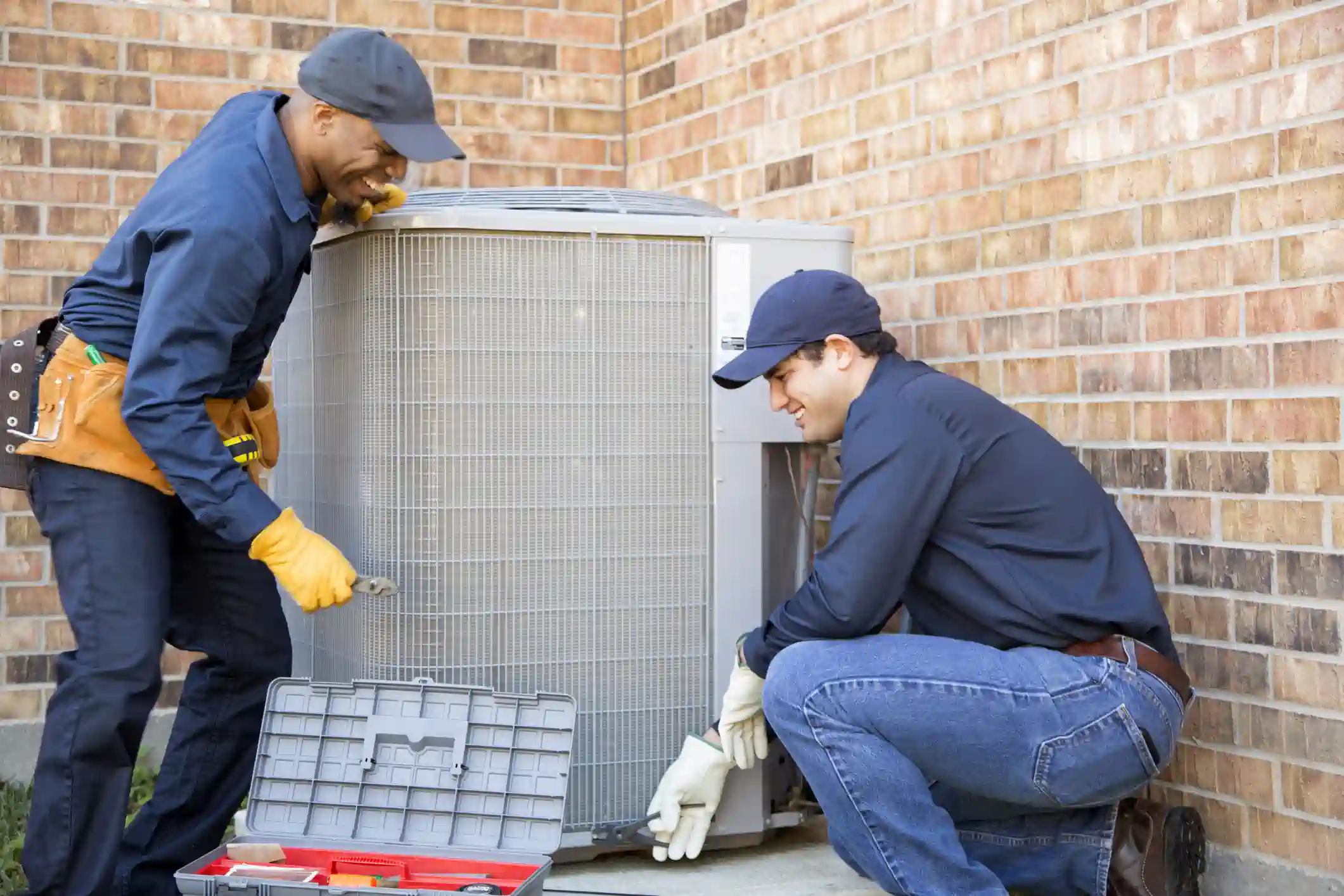
Identifying True HVAC Emergencies
Not every noise or rattle constitutes an emergency, but specific symptoms require immediate professional attention to prevent catastrophic failure or safety hazards. Recognizing these signs early can save thousands of dollars in major component replacements.
- Burning Smells: An electrical burning odor indicates wiring issues, overheated motors, or melted insulation. This is a fire hazard and requires immediate system shutdown.
- Loud Screeching or Grinding: These sounds often indicate a motor bearing failure or a compressor issue. Continuing to run the unit can destroy expensive components.
- Complete Lack of Airflow: If the blower motor fails or the coil freezes solid, the compressor may overheat and fail if the system is left on.
- Thermostat Unresponsiveness: If the system refuses to engage despite correct thermostat settings, it may indicate a failure in the low-voltage control circuit or the main control board.
- Water Leaks: Excessive water near the indoor unit suggests a clogged condensate drain or a cracked pan, which can lead to significant water damage to ceilings and floors.
Comprehensive Emergency Repair Scope
Emergency service aims to restore functionality, but the approach depends heavily on the type of equipment and the nature of the failure. The scope of work for an emergency call covers the entire refrigeration cycle and electrical system.
Electrical Component Failure
The most common cause of sudden breakdown involves the electrical components that manage the high-voltage power needed to run the compressor and fans.
- Capacitor Replacement: Capacitors store and release energy to start motors. When they fail, motors hum but do not turn, eventually overheating.
- Contactor Replacement: These switches control the flow of electricity to the compressor. Pitted or fused contactors can prevent the unit from shutting off or starting up.
- Wiring Repair: Vibrations can cause wires to rub against metal casings, creating shorts. Repairing these connections restores power flow.
Refrigerant Cycle Issues
Refrigerant is the lifeblood of the cooling system. Issues here usually result in a system that runs but does not cool.
- Leak Detection: If refrigerant levels are low, there is a leak. Technicians use electronic sniffers or UV dye to locate the breach.
- Coil Thawing: A frozen coil blocks airflow. Technicians must safely thaw the coil and address the underlying cause, such as low charge or dirty filters.
- Refrigerant Recharge: Once a leak is repaired, the system must be recharged to the manufacturer's specified subcooling or superheat levels for efficient operation.
Step-by-Step Emergency Restoration Process
Understanding the workflow of an emergency service call helps manage expectations and ensures a smooth resolution. The process is designed to be efficient, transparent, and results-oriented.
- Initial Triage and Dispatch: Upon contacting the service center, the severity of the issue is assessed. Dispatchers route the nearest available technician to the Live Oak area location.
- On-Site Safety Inspection: The technician arrives and immediately secures the area, turning off power at the breaker to safely inspect high-voltage components.
- Diagnostic Testing: Using multimeters and pressure gauges, the technician tests the electrical draw of motors and the pressure of the refrigerant. This isolates the faulty component.
- Problem Presentation: The technician explains exactly what failed and provides options for repair. This includes a clear explanation of necessary parts and labor.
- Execution of Repairs: With approval, the repair is performed using stock from the service vehicle. If a specialized part is needed, temporary solutions may be discussed if safe.
- System Validation: After the repair, the system is run through a full cycle. The technician measures the temperature split (the difference between supply and return air) to verify cooling performance.
- Final Report: A detailed service report is provided, outlining the work performed, parts replaced, and any recommendations for future maintenance to prevent recurrence.
Deciding Between Emergency Repair and Replacement
In the heat of the moment, the instinct is to fix the problem at any cost to get the air moving again. However, there are scenarios where pouring money into an emergency repair is not the most financially sound decision. Technicians provide data to help make an informed choice between a band-aid fix and a system replacement.
The 50% Rule
A general guideline used in the industry involves the cost of repair versus the value of the system. If the cost of the emergency repair approaches 50% of the cost of a new system, replacement is often the better long-term investment. This is particularly true if the current unit is out of warranty.
Equipment Age and Refrigerant Type
Air conditioners have a typical lifespan of 10 to 15 years in hot climates. If the unit is over 12 years old and suffers a major failure (like a compressor blowout), replacement is usually recommended. Furthermore, older units may utilize R-22 refrigerant, which is phased out and incredibly expensive to replace. Upgrading to a modern system utilizing R-410A or newer refrigerants offers better efficiency and lower maintenance costs.
Frequency of Breakdowns
If the system has required multiple "emergency" repairs in the last two years, it indicates that the internal components are reaching the end of their fatigue life. Continuing to repair individual parts becomes a game of "whack-a-mole," where one fix leads to the next weakest link breaking.
Navigating Local Codes and Climate Factors
Operating HVAC equipment in Texas requires adherence to specific local building codes and an understanding of the regional climate stresses. Live Oak has distinct weather patterns that influence how systems should be repaired and maintained.
Combating High Humidity and Heat Load
The summers here are characterized by high humidity and temperatures consistently exceeding 90°F. This creates a massive "sensible" and "latent" heat load on the AC unit.
- Sensible Heat: The temperature you see on the thermostat.
- Latent Heat: The moisture in the air.
- An undersized or failing unit cannot remove humidity effectively, leading to a "clammy" feeling indoors even if the temperature is low. Emergency repairs must ensure the unit is operating at peak capacity to handle this dual load.
Storm Safety and Electrical Surges
Spring and early autumn often bring thunderstorms and potential tornadoes to the region. These storms bring lightning strikes and power surges.
- Surge Protection: Emergency calls often result from fried control boards due to nearby lightning strikes. Installing whole-home or unit-specific surge protectors is a critical preventive measure.
- Debris Removal: High winds can blow debris into the outdoor condenser, bending fins and blocking airflow. Emergency service often involves cleaning out this debris to prevent the compressor from overheating.
Permitting and Compliance
Significant repairs, particularly those involving system replacement or major modifications to the electrical or gas supply, may require permits from the City of Live Oak. Professional service providers handle the logistics of permitting to ensure all work meets current safety codes. This includes verifying that breaker sizes match the unit’s amperage requirements and that refrigerant lines are properly insulated and secured.
Technical Expertise and Operational Standards
When facing an HVAC crisis, the qualifications of the technician and the standards of the service provider dictate the success of the repair. High-quality emergency service is defined by technical proficiency and a commitment to doing the job right the first time.
Advanced Diagnostic Capabilities
Modern HVAC systems are complex machines with printed circuit boards and variable-speed motors. Guesswork is not an option. Technicians utilize advanced diagnostic tools to read fault codes and measure system performance against factory specifications. This ensures that the repair addresses the root cause, not just the symptom.
Inventory and Logistics
The ability to resolve an emergency on the first visit depends on truck stock. Service vehicles carry a wide array of "universal" parts—contactors, capacitors, relays, and hard start kits—that fit most major brands. This logistics capability reduces the need for follow-up visits and minimizes the time you spend without air conditioning.
Transparency in Service
Emergency situations can be stressful, but the service process should be clear. Professional technicians provide upfront explanations of the failure and the cost associated with the repair before any work begins. There are no hidden fees or surprise charges; the focus remains on restoring comfort and safety efficiently.
ReliaBee Air, Electric, & Plumbing is committed to delivering this level of precise, high-stakes service when you need it most. Our approach combines speed with technical excellence to ensure your home returns to a comfortable baseline immediately.
Secure Your Comfort and Safety Today
Do not let a broken air conditioner compromise your safety or damage your home during extreme weather. Professional, licensed intervention is the only way to ensure your system is repaired correctly and safely — contact us today.
Contact our team immediately to dispatch an emergency technician and restore your home's comfort.

Current Offers for
San Antonio Homeowners
Free Plumbing Safety Check


$59 AC Tune-Up
5% OFF FOR SENIORS
5% OFF FOR VETERANS & FIRST RESPONDERS

5% OFF FOR EDUCATORS


What Your Neighbors Are Saying