EV Charger Installation in The Dominion, TX

Eliminate Range Anxiety with Reliable Home Charging Solutions
Reliance on public infrastructure or slow standard outlets compromises the convenience of owning an electric vehicle in The Dominion, TX. Secure a dedicated Level 2 charging station today by contacting our team for a comprehensive estimate or exploring our financing options.
Navigating EV charger installation involves more than simply plugging a device into a wall; it requires load calculations, specific circuit dedication, and adherence to strict local codes. ReliaBee Air, Electric, & Plumbing simplifies this technical process, ensuring your vehicle is charged safely and efficiently every morning.
- Professional installation by certified electricians.
- Free, personalized quotes with transparent pricing.
- Compatibility checks for all major electric vehicle brands including Tesla, Rivian, and Ford.
Backed by comprehensive warranties and local permitting expertise for seamless HOA and city compliance.
Secure Faster Charging Speeds and Enhanced Safety
Installing a Level 2 electric vehicle service equipment (EVSE) station at your residence fundamentally changes the EV ownership experience. While standard Level 1 cords provided by manufacturers add only 3 to 5 miles of range per hour of charging, a professionally installed Level 2 station adds between 12 and 60 miles of range per hour. This difference ensures that even after a long day of driving, your battery reaches full capacity overnight.
Homeowners in The Dominion receive a complete assessment of their current electrical infrastructure. The service includes the installation of a dedicated 240-volt circuit, which is the same voltage used for heavy-duty appliances like dryers or ovens, but designed specifically for continuous heavy loads. We provide hardware that integrates with your lifestyle, whether you require a hardwired wall unit for maximum charging speed or a NEMA 14-50 outlet for flexibility.
Key components of the installation service include:
- Load Calculation: An evaluation of your home’s electrical panel to determine if your current 100-amp or 200-amp service can handle the additional load of an EV charger without tripping the main breaker.
- Circuit Installation: Running new copper wiring from the main panel to the garage or exterior parking location, protected by a dedicated breaker.
- Unit Mounting: Securely attaching the charging unit to the wall or a pedestal, ensuring cable management is neat and accessible.
- Safety Testing: Verifying ground fault protection and thermal monitoring to prevent overheating during long charge cycles.
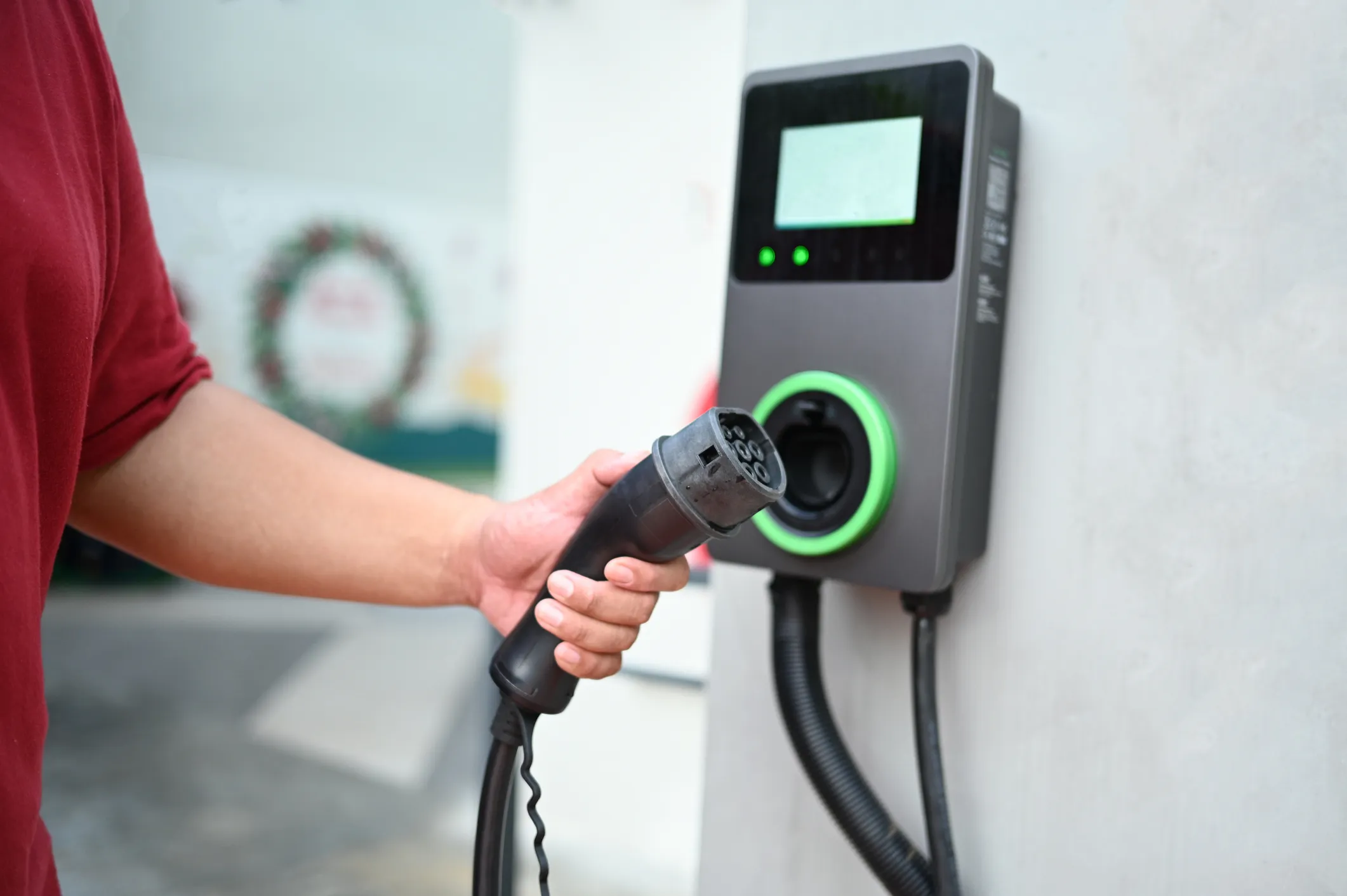
Hardwired Units vs. Plug-In Stations
When selecting a charger, the decision often comes down to a hardwired unit versus a plug-in model.
A hardwired station connects directly into your electrical supply. This method is generally preferred for outdoor installations or carports where weather resistance is crucial. Hardwired units typically allow for higher amperage delivery, often up to 48 or 60 amps, maximizing the charging speed capability of vehicles with large battery packs. This setup eliminates the failure point of a receptacle and offers a cleaner aesthetic, which is often a priority for luxury properties.
Conversely, a plug-in station utilizes a high-voltage outlet, typically a NEMA 14-50 or NEMA 6-50. This option allows you to unplug the charger and take it with you if you move. However, plug-in units are limited by the amperage rating of the outlet (usually 40 amps maximum continuous load) and require an expensive, industrial-grade GFCI breaker to meet current National Electrical Code (NEC) standards.
The Installation Process Step-by-Step
Understanding the workflow helps manage expectations regarding timeline and disruption. The goal is to get your station operational with minimal interference to your daily routine.
- Site Assessment: First, a technician visits the property to inspect the main electrical panel and the proposed charger location. Distance from the panel to the garage impacts the cost of wiring. If the panel is full, a sub-panel or service upgrade may be discussed.
- Permitting and Load Management: Next, the team pulls necessary electrical permits required by the City of San Antonio or local jurisdiction. If the electrical load is tight, a load management device may be installed to allow the EV charger to operate only when other high-demand appliances are not in use.
- Rough-In and Wiring: Then, electricians run the conduit and wiring. In finished garages, this may involve surface-mounted conduit or fishing wires behind drywall for a flush finish.
- Final Connections and Commissioning: The charger is mounted and connected. The system is energized, and the technician configures the amperage settings to match the circuit breaker rating.
- Smart Setup: Finally, if the charger is Wi-Fi enabled, assistance is provided to connect the unit to your home network, allowing you to monitor charging stats and schedule charging during off-peak utility hours.
Repair or Replace: Making the Right Investment
As EV technology evolves, older charging equipment may no longer serve your needs efficiently. Determining whether to repair an existing unit or replace it entirely depends on safety and speed requirements.
Replacement is the superior choice when the current charger lacks smart connectivity. Modern utilities, including CPS Energy, often offer time-of-use rates. Older "dumb" chargers cannot automatically schedule charging sessions to capitalize on these lower rates, costing you more money over time. Upgrading to a smart charger allows for automated scheduling and integration with home energy management systems.
Physical damage to the cable or connector is another critical factor. If the insulation on the charging cable is cracked, or if the J1772 connector (or NACS plug) shows signs of melting or scorching, repair is rarely safe. These components handle high voltage for hours at a time; compromised integrity creates a significant fire risk. Replacing the unit ensures all safety interlocks function correctly.
Consider replacement if you have upgraded your vehicle. Older 16-amp or 30-amp chargers may not charge a modern EV with a 100kWh battery overnight. Upgrading to a 48-amp or 50-amp capable station future-proofs your garage for current and upcoming EV models that accept faster AC charging rates.
Critical Local Considerations for The Dominion
Operating in this region requires specific attention to environmental and regulatory details.
- HOA and Architectural Review: The Dominion is known for strict architectural guidelines. Exterior installations must often be screened from street view or aesthetically matched to the home’s exterior. We coordinate placement to respect these guidelines while maintaining functionality.
- Heat Management: Local summers frequently exceed 100°F. Electronic components in EV chargers can throttle charging speeds if they overheat. When possible, installation is recommended inside the garage. For outdoor installations, units must be rated NEMA 4 or 4X and ideally positioned in a shaded area to prevent thermal throttling during afternoon charging sessions.
- Grid Reliability: Lightning storms and power surges are common. Installing a whole-home surge protector at the panel simultaneously with the EV charger adds a layer of protection for the vehicle’s sophisticated onboard charging electronics.
- Utility Rebates: Local utility providers frequently update rebate incentives for installing Level 2 chargers. Ensuring the installed model is on the approved equipment list is vital for qualification.
Technical Requirements for Safe Charging
Safety is the non-negotiable aspect of high-voltage vehicle charging. An EV charger draws a continuous load, meaning it runs at maximum capacity for hours. This stresses electrical components more than almost any other appliance in the home.
- Torque Specifications: Every connection point, from the breaker to the charger terminals, must be torqued to manufacturer specifications. Loose connections cause resistance, heat buildup, and eventual failure.
- Wire Sizing: Wiring must be sized not just for the load, but for the distance. Long wire runs cause voltage drop, which reduces charging efficiency. Upsizing the gauge of the copper wire mitigates this issue.
- GFCI Protection: The National Electrical Code requires GFCI protection for outlets in garages. However, many EV chargers have built-in GFCI. Installing a GFCI breaker for a hardwired unit with internal protection can cause "nuisance tripping." Understanding when to use a standard breaker versus a GFCI breaker is a sign of a qualified installer — schedule service today.
Why Specialized Installation Matters
General handymen lack the specific training required for high-continuous-load circuits. ReliaBee Air, Electric, & Plumbing focuses on the intricacies of EVSE technology. Incorrect amperage settings on the charger can overload the circuit, while improper grounding can prevent the vehicle from initiating a charge session entirely.
Certified installers ensure that the load calculation is accurate. Adding a 50-amp load to a panel that is already near capacity can be dangerous. We verify that your electrical service has the headroom to support the vehicle, and if not, we provide clear options for service upgrades or load shedding devices.
We also assist with the configuration of smart features. Whether it is pairing the charger with an app or setting up load sharing between two chargers for multi-EV households, the software configuration is just as important as the hardware installation.
Ensuring Long-Term Performance
Once installed, a quality EV charger requires minimal maintenance, but the initial setup dictates its longevity. We ensure that outdoor conduits are watertight and that indoor installations are protected from physical impact.
For homeowners considering Tesla Wall Connectors, ChargePoint Home Flex, or other specific hardware, we ensure the installation adheres strictly to the manufacturer's guidelines to preserve the equipment warranty. Using the wrong wire type or conduit size can void these manufacturer warranties.
Get Your EV Charger Installed Today
Do not let slow charging speeds dictate your schedule. A dedicated home charging station provides the freedom to drive without restriction, ensuring your battery is ready whenever you are. Proper installation safeguards your vehicle, your home, and your electrical system against failure.
ReliaBee Air, Electric, & Plumbing is ready to help you transition to seamless electric driving. Upgrade your home infrastructure with a team that understands the technical demands of modern electric vehicles and the local requirements of The Dominion.
Take charge of your driving experience. Schedule your installation assessment now.

Current Offers for
San Antonio Homeowners
Free Plumbing Safety Check


$59 AC Tune-Up
5% OFF FOR SENIORS
5% OFF FOR VETERANS & FIRST RESPONDERS

5% OFF FOR EDUCATORS


What Your Neighbors Are Saying