EV Charger Installation in Universal City, TX

Need Fast EV Charger Installation?
Struggling to find a reliable EV charger installation in Universal City? Worried about how long it will take and whether the installation will meet local codes? You need a solution that ensures your electric vehicle is ready to drive whenever you are, without tripping breakers or risking electrical fires. Contact us today to schedule your site assessment and charger installation.
Residents in Universal City need robust charging infrastructure to handle daily commutes and the extreme Texas heat. ReliaBee Air, Electric, & Plumbing provides comprehensive installation services designed to get you on the road faster.
- Quick, professional installation that meets all local electrical codes.
- Variety of charging options from leading brands like Tesla and ChargePoint.
- Competitive pricing with possible rebates and financing options.
All installations come with a comprehensive warranty and comply with Texas electrical standards.
Securing a Reliable Charging Station at Home
Relying on public charging infrastructure is often inconvenient, time-consuming, and expensive. Home charging represents the ultimate convenience for electric vehicle ownership, allowing you to refuel while you sleep. However, simply plugging a vehicle into a standard wall outlet (Level 1 charging) is rarely sufficient for daily drivers, as it offers very slow charging speeds that may take days to replenish a full battery.
Moving to a Level 2 home charging station significantly reduces downtime. A dedicated Level 2 station operates on higher voltage, typically 240 volts, similar to an electric dryer or oven. This upgrade allows for charging speeds that are up to 10 times faster than a standard outlet. For most EV owners in Universal City, this means plugging in at night and waking up to a full battery every morning, regardless of how far you drove the previous day.
Implementing this solution involves more than just buying hardware. It requires a distinct electrical circuit to handle the continuous load safely. The installation process ensures that the charger is hardwired or plugged into a heavy-duty NEMA 14-50 outlet correctly. The equipment selected must match the acceptance rate of your vehicle and the capacity of your home’s electrical panel. Professional installers evaluate these factors to ensure the hardware installed maximizes charging efficiency without overloading your system.
The Installation Process Explained
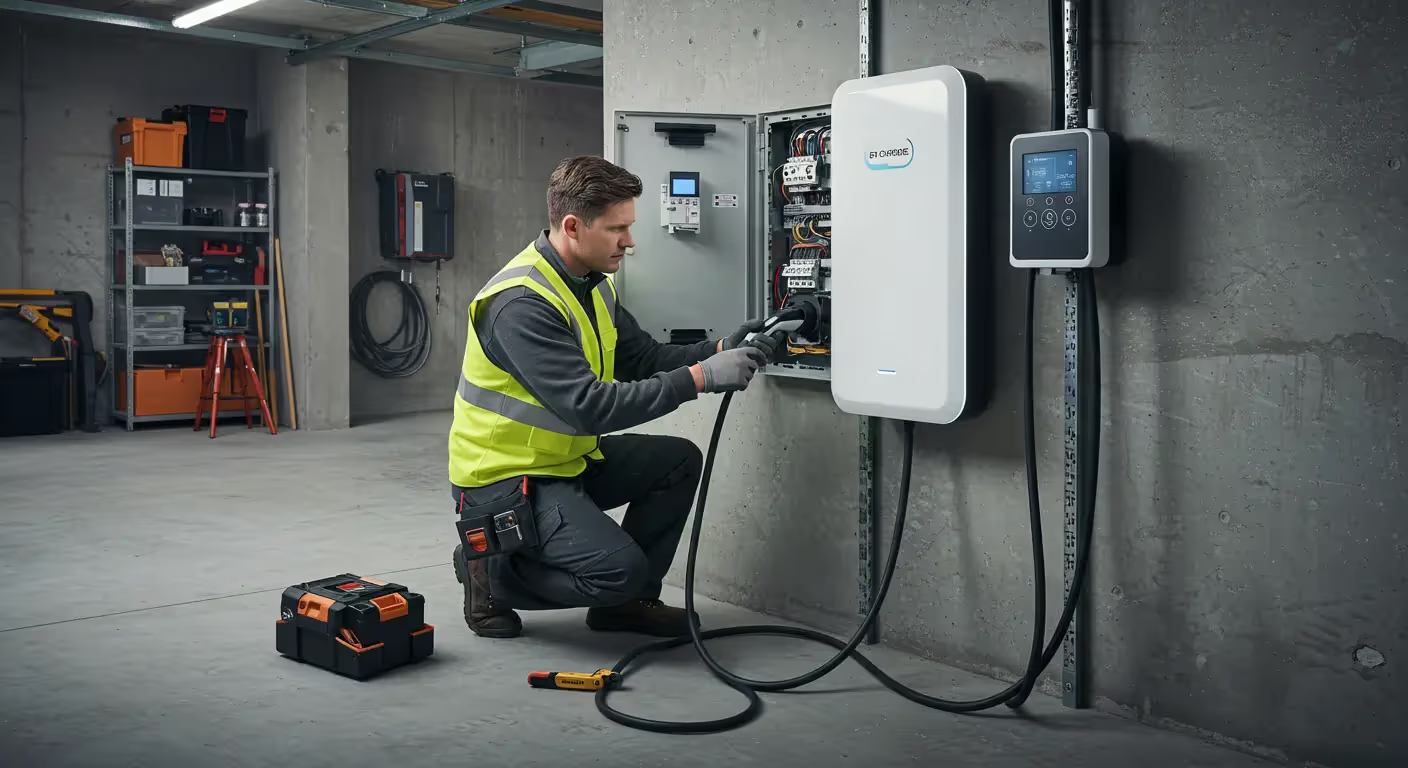
Installing an electric vehicle supply equipment (EVSE) unit requires a systematic approach to ensure safety and functionality. This is a significant electrical alteration to your property, and specific steps must be followed to adhere to the National Electrical Code (NEC) and local building regulations.
- Site Assessment and Load Calculation
A technician first evaluates the current electrical panel to determine if it has the capacity to support a new continuous load.
They calculate the existing electrical load of the home, factoring in HVAC systems, appliances, and lighting, to see if an additional 30 to 60 amps can be safely drawn.
The location of the charger is determined based on where the vehicle is parked and the layout of the garage or driveway.
- Permitting and Documentation
Before physical work begins, the necessary electrical permits are pulled from the local building department in Universal City.
This step ensures that the work is registered and will be subject to inspection, validating that it meets safety standards.
- Circuit Installation and Wiring
A new, dedicated circuit breaker is installed in the main electrical panel.
Conduit is run from the panel to the mounting location of the charger. This protects the high-voltage wiring from physical damage.
Appropriate gauge wire is pulled through the conduit. The wire size is critical; using wire that is too thin for the amperage can cause overheating and fire hazards.
- Mounting and Connection
The charging unit is securely mounted to the wall or a pedestal.
The wiring is connected to the unit, ensuring tight, secure terminations.
For plug-in models, a commercial-grade receptacle is installed; for hardwired models, the connection is made directly inside the unit.
- Testing and Commissioning
Once connected, the system is energized and tested for proper voltage and grounding.
The technician verifies that the charger communicates correctly with the vehicle and initiates a charge cycle.
Wi-Fi connectivity is set up for smart chargers to enable app monitoring and scheduling.
- Final Inspection
A local code official inspects the installation to ensure compliance with all safety regulations.
Assessing Your Electrical Panel Capacity
One of the most critical decision points in the installation process is determining whether the existing electrical service needs an upgrade. Older homes, or homes with standard 100-amp service, may not have the overhead required to support a Level 2 charger, especially if other high-demand appliances like electric tankless water heaters or central air conditioning are already in use.
If your electrical panel is full, meaning there are no physical slots left for a new double-pole breaker, or if the total load calculation exceeds the main breaker rating, a panel upgrade or a "heavy up" is necessary. This involves replacing the main breaker panel and potentially the meter base to accept higher amperage service from the utility company (e.g., upgrading from 100 amps to 200 amps).
Alternatively, load management devices can sometimes be used. These devices monitor the total energy usage of the home and temporarily pause or reduce power to the EV charger if the total load approaches the limit. This allows for the installation of a charger without an immediate, expensive service upgrade. Deciding between a panel upgrade and load management depends on your long-term energy goals, budget, and the specific electrical architecture of your home.
ReliaBee Air, Electric, & Plumbing technicians conduct thorough load calculations to present the most viable options for your specific situation.
Managing Local Requirements and Weather Conditions
Installing electrical equipment in Texas requires specific attention to environmental factors and local regulations. The humid subtropical climate, characterized by hot summers where temperatures frequently exceed 90°F, impacts how electrical components perform and degrade over time.
- Heat and Derating
Electrical wires and breakers are sensitive to ambient temperature. In high heat, the current-carrying capacity of a wire decreases.
Installations in hot garages or outdoor walls exposed to direct sunlight may require upgraded wire sizes or specific conduit types to prevent overheating and nuisance tripping of the breaker.
Smart chargers often have internal thermal sensors that slow down charging speeds if the unit gets too hot; positioning the unit in a shaded area is a strategic decision for efficiency.
- Outdoor vs. Indoor Placement
While garage installation is preferred for weather protection, many homeowners must install chargers outdoors.
Outdoor installations require NEMA 3R or NEMA 4 rated enclosures that are watertight and dust-tight to withstand heavy rainfall, which averages 30 to 35 inches annually in this region.
GFCI (Ground Fault Circuit Interrupter) protection is mandatory for outlets installed in damp or wet locations to prevent shock hazards.
- Permitting and Utility Coordination
Universal City enforces specific building codes that align with the NEC. Performing unpermitted electrical work can void home insurance policies and complicate future real estate transactions.
Utility providers in the area often have specific requirements regarding the placement of disconnect switches or the type of metering used for EV charging.
Some local providers offer rebates for installing Level 2 chargers or for charging during off-peak hours. Professional installers assist in providing the necessary documentation to claim these incentives.
Why Professional Installation Matters
The complexity of high-voltage electrical work makes professional installation a necessity rather than a luxury. EV chargers draw a continuous high load for several hours at a time, creating a thermal stress on the electrical system that is unlike intermittent loads from other appliances. Improperly torqued connections, incorrect wire sizing, or lack of proper grounding can lead to catastrophic failure, melting components, or fire.
Certified electricians understand the nuances of the "continuous load" rule in the electrical code, which requires circuit components to be rated at 125% of the maximum load. They also ensure that the specific requirements of the charger manufacturer are met, preserving the equipment warranty. Leading brands like Tesla, ChargePoint, and others often require proof of professional installation for warranty claims on the hardware.
Furthermore, professional installation ensures future-proofing. As battery technologies improve and vehicle ranges increase, having a robust, code-compliant infrastructure adds value to the property and ensures compatibility with future vehicles. It eliminates the guesswork and safety risks associated with DIY electrical modifications.
Why Choose Us
Choosing the right team for EV charger installation is crucial for safety, efficiency, and long-term reliability. At ReliaBee Air, Electric, & Plumbing, we bring certified expertise, top-tier technology, and a customer-first approach to every project.
Our technicians adhere strictly to Texas codes, perform detailed load calculations, and ensure that every installation is optimized for performance and durability. With transparent pricing, premium hardware options, and reliable post-installation support, homeowners gain a trusted partner for all their EV charging needs.
Charge Faster, Drive Smarter!
Residents rely on expert services to navigate these technical and regulatory hurdles seamlessly. When you choose professional installation, you are investing in the safety of your home and the reliability of your vehicle's operation. ReliaBee Air, Electric, & Plumbing ensures that every aspect of the project, from the initial load calculation to the final inspection, is handled with precision and care.
Ensure your electric vehicle is ready when you are with a safe, efficient, and code-compliant home charging station. Contact us now to start your installation.

Current Offers for
San Antonio Homeowners
Free Plumbing Safety Check


$59 AC Tune-Up
5% OFF FOR SENIORS
5% OFF FOR VETERANS & FIRST RESPONDERS

5% OFF FOR EDUCATORS


What Your Neighbors Are Saying