EV Charger Installation in Castle Hills, TX

Secure a Safe and Efficient EV Charger Setup
Finding the right team for your EV charger installation can be overwhelming, especially with so many technical requirements and local codes to navigate. At ReliaBee Air, Electric, & Plumbing, we simplify the process by providing certified and trusted installation services for homeowners in Castle Hills who need reliable power. Contact us today to schedule your site assessment and installation.
- Certified Installations: From consultation to setup, every step is handled by certified experts trained in the specific requirements of major EV manufacturers.
- Speedy Service: We offer efficient scheduling options, including same-day service availability, to get your vehicle charged and ready for the road faster.
- Local Experts: Our deep knowledge of Castle Hills' electrical standards and municipal codes ensures a smooth setup without administrative delays.
- Peace of Mind: All installations come with a comprehensive warranty and strict adherence to local permit requirements to protect your home and vehicle.
What to Expect from Professional EV Charger Installation
Switching to an electric vehicle requires more than just plugging a cord into a standard wall outlet. A standard 120-volt outlet, often called Level 1 charging, adds only about 3 to 5 miles of range per hour. This is rarely sufficient for daily commuters or households with multiple electric vehicles. Upgrading to a Level 2 home charging station allows you to charge your vehicle up to 8 times faster, ensuring you wake up to a full battery every morning.
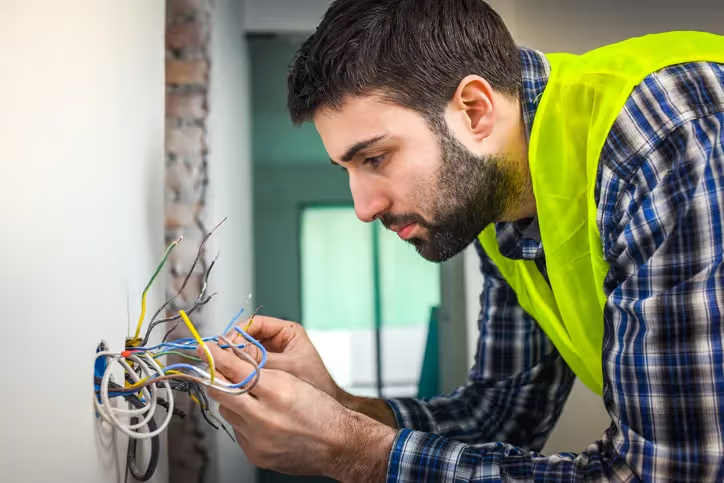
When you invest in a professional installation, you are purchasing a comprehensive electrical upgrade designed to handle the high continuous load of an electric vehicle. This service includes a thorough assessment of your current electrical service panel to determine if it can support the additional amperage. Most Level 2 chargers require a dedicated 240-volt circuit, similar to what powers an electric dryer or oven.
We provide a complete turnkey solution. This includes selecting the correct amperage for your specific vehicle’s acceptance rate, determining the optimal location for the charger based on where you park, and managing the wire run from your main panel to the charging site. Whether you choose a hardwired unit for maximum charging speed and weather resistance or a NEMA 14-50 outlet for flexibility, the focus remains on safety and reliability.
The Installation Process: From Assessment to Charging
Understanding the steps involved in installing an EV charger helps eliminate uncertainty. We follow a rigorous protocol to ensure your home’s electrical system remains safe while delivering maximum power to your vehicle.
- Site Evaluation and Load Calculation: First, a technician evaluates your existing electrical panel to calculate the current load. We check the available amperage to ensure your home can handle the additional demand of an EV charger without tripping the main breaker. If your panel is full or lacks capacity, we identify necessary upgrades or load management solutions immediately.
- Permitting and Compliance: Next, we handle the administrative side of the installation. Installing a Level 2 charger involves significant electrical work that requires adherence to the National Electrical Code (NEC) and specific local regulations in Castle Hills. We obtain the necessary electrical permits before work begins, ensuring that the installation is legal and recognized by home insurance providers.
- Circuit Installation and Wiring: Once the plan is set, we install a dedicated 240-volt circuit breaker in your panel. We run the appropriate gauge of conduit and copper wiring from the panel to the garage or exterior wall where the charger will be mounted. This step is critical; using incorrect wire gauge for the distance or amperage can result in voltage drop or overheating.
- Mounting and Connection: The charging unit or NEMA outlet is securely mounted to the wall studs or a pedestal. For hardwired units, the electrical connections are made directly inside the device, offering a more secure connection that is less prone to nuisance tripping. If installing an outlet, we ensure a high-quality industrial-grade receptacle is used to withstand the heat cycles of continuous charging.
- Testing and Activation: Finally, we perform rigorous testing. We verify the voltage levels, check for ground faults, and ensure the charger is communicating correctly with your vehicle. If you have a smart charger, we assist with connecting the unit to your WiFi network so you can track energy usage and schedule charging during off-peak hours.
Hardwired vs. Plug-in: Making the Right Choice
Homeowners often face the decision between hardwiring their charger or installing a heavy-duty plug. Both options have distinct advantages depending on your specific usage and future plans.
A hardwired installation is generally the preferred method for permanent outdoor installations or for vehicles that can accept higher charge rates. By connecting the wiring directly into the device, we eliminate the failure points associated with a plug and receptacle. Hardwired units typically look cleaner on the wall and offer better weatherproofing, which is essential given the humidity and storms common in this region. Furthermore, hardwired units can often charge at higher amperages (up to 48 or 60 amps), whereas plug-in units are usually limited to 40 amps due to the rating of standard receptacles.
Conversely, a plug-in installation using a NEMA 14-50 outlet offers flexibility. If you move, you can easily unplug the charging unit and take it with you, leaving the outlet behind for the next owner. This method allows you to swap out charging units easily without calling an electrician. However, plug-in units require an expensive, industrial-grade GFCI breaker to meet current codes, which can sometimes cause "nuisance tripping" when paired with the internal GFCI of the EV charger itself. We help you weigh these technical pros and cons based on your specific vehicle and property layout.
When to Upgrade or Replace Your Existing Setup
The electric vehicle market is evolving rapidly, and charging technology that was sufficient five years ago may not meet the needs of today's EVs with larger battery packs.
- Increased Battery Capacity: If you have upgraded to a newer EV with a larger kilowatt-hour (kWh) battery, an older 16-amp or 30-amp charger may no longer charge your vehicle overnight. Upgrading to a 48-amp or higher system ensures your vehicle reaches 100% charge within your available dwell time.
- Damage or Wear: Charging cords and connectors endure significant wear and tear. If you notice cracks in the cable insulation, bent pins in the connector, or discoloration on the wall outlet, immediate replacement is necessary to prevent arc faults or fire hazards.
- Adding a Second Vehicle: Households transitioning to a two-EV garage often need to rethink their charging strategy. Rather than installing two completely separate 50-amp circuits, which might overload the panel, we can install power-sharing chargers. These smart units communicate with each other to split the available power between two cars, ensuring both get charged without tripping the main breaker.
- Smart Feature Integration: Older "dumb" chargers simply supply power. Newer smart chargers allow you to schedule charging sessions to coincide with lower utility rates, track exactly how much you are spending on "fuel," and integrate with solar panel systems to charge your car using only excess solar energy.
Local Considerations for Castle Hills Residents
Installing an EV charger in Texas requires specific attention to environmental factors and local infrastructure. The humid subtropical climate and intense summer heat play a role in equipment selection and placement.
- Heat Management: Electronics degrade faster in extreme heat. While most chargers are rated for outdoor use, direct exposure to the Texas afternoon sun can cause the unit to "derate" or slow down charging speed to protect its internal components. We prioritize placing chargers in shaded areas or inside garages to maintain optimal charging speeds during summer months.
- Weatherproofing: For outdoor installations, standard enclosures are not enough. We utilize NEMA 3R or NEMA 4 rated enclosures that are watertight and dust-tight. This protects the sensitive electronics from the heavy rainfall and potential severe weather that occurs in the spring and fall seasons.
- Grid Reliability and Backup: With concerns regarding grid stability during peak usage times, many homeowners are interested in bidirectional charging or integrating chargers with home battery backup systems. We ensure your installation is compatible with these advanced energy management strategies, helping you navigate the complexities of local utility requirements.
- Incentives and Rebates: Various programs, such as the Texas Light-Duty Motor Vehicle Purchase or Lease Incentive Program (TURP) or specific rebates from local utility providers, may offset the cost of installation. While we focus on the technical execution, we ensure your installation documentation meets the stringent requirements needed to apply for these financial incentives.
Why Professional Execution Matters
The safety of your home and the longevity of your vehicle's battery depend on the quality of the electrical work powering it. An improperly installed charger can cause voltage fluctuations that degrade your car's onboard charging module, leading to expensive vehicle repairs. Furthermore, DIY or handyman installations often bypass necessary load calculations, leading to main breakers tripping when the AC turns on while the car is charging.
We adhere to the strictest industry standards. Our technicians calculate voltage drop over distance to ensure your car receives steady power. We use torque screwdrivers to ensure every connection is tightened to the manufacturer's exact specifications, preventing the "hot spots" that cause electrical fires. ReliaBee Air, Electric, & Plumbing ensures that the conduit work is aesthetically pleasing, running cleanly along your walls rather than being draped haphazardly across the garage.
Additionally, we verify that your grounding system is up to par. EVs are incredibly sensitive to grounding issues. A poor ground connection can prevent the vehicle from initiating a charge cycle entirely. We verify the integrity of your home’s grounding electrode system before commissioning the charger.
Finalizing Your Electric Transition
Making the switch to an electric vehicle is a significant step toward energy independence and lower operating costs. However, the convenience of EV ownership is entirely dependent on having a reliable, fast, and safe way to charge at home. Relying on public infrastructure is often time-consuming and expensive compared to the low residential electricity rates available domestically.
By choosing a dedicated service provider for your charger installation, you ensure that your infrastructure is future-proofed, code-compliant, and optimized for our local climate conditions. Do not leave your home's electrical safety to chance or risk voiding your vehicle's warranty with substandard wiring.
Secure your home charging solution today — contact us online. Contact us now to get a certified expert to your door.
EV Charging Solutions Installed for Speed, Safety, and Compatibility
Installing EV charging at home demands the right amperage, protection, and layout. ReliaBee Air, Electric, & Plumbing performs expert EV charger installation in Castle Hills, TX, handling panel evaluations, dedicated circuit installation, and equipment setup for a clean, code-compliant charging station.
Choose EV Charger Installation That’s Built for Your Vehicle and Load

Current Offers for
San Antonio Homeowners
Free Plumbing Safety Check


$59 AC Tune-Up
5% OFF FOR SENIORS
5% OFF FOR VETERANS & FIRST RESPONDERS

5% OFF FOR EDUCATORS


What Your Neighbors Are Saying